
Why Choose Trommel Screens for Your Recycling Operations? Discover the Advantages and Benefits Today!
Feb 13,2026
Why Choose Trommel Screens for Your Recycling Operations?
Understanding Trommel Screens: A Brief Overview
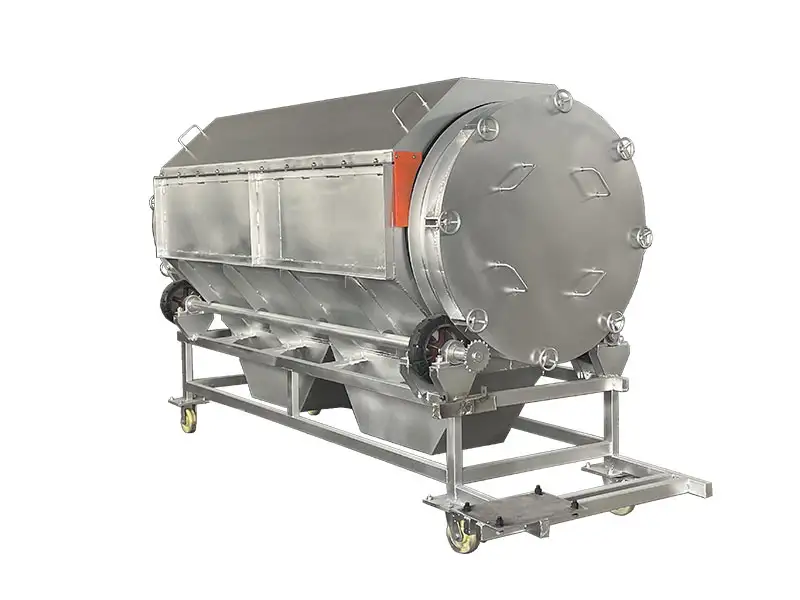
Trommel screens are cylindrical sieving devices that play a crucial role in the recycling industry. These machines use the force of gravity and the rotation of a drum to separate materials based on size, shape, and weight. Their unique design allows them to efficiently process a variety of materials, making them an essential component for successful recycling operations.
The Importance of Recycling in Today's World
Recycling is not just a trend; it is a necessity for sustainable development. As the world grapples with increasing waste generation, the role of recycling becomes more critical. Effective recycling conserves natural resources, reduces landfill waste, and minimizes environmental impact. Within this context, the right equipment, such as trommel screens, can significantly enhance recycling effectiveness.
How Trommel Screens Work
Trommel screens operate based on a simple yet effective principle. The materials are fed into the rotating drum, which is covered with perforated screens. As the drum rotates, smaller materials fall through the holes while larger items continue to tumble inside until they exit at the end of the drum. This process allows for efficient separation of various materials, including metals, plastics, and organic waste.
The Advantages of Using Trommel Screens in Recycling
1. Enhanced Material Separation
One of the primary benefits of trommel screens is their ability to provide **high-quality separation** of materials. By using a series of different-sized screens, operators can easily sort various materials into specific categories. This level of precision not only improves the quality of the recyclables but also enhances the efficiency of the overall recycling process.
2. Versatility in Processing Different Materials
Trommel screens are incredibly **versatile** and can handle a wide range of materials. Whether it's municipal solid waste, construction debris, or organic materials, trommel screens can be tailored to meet specific operational needs. This adaptability makes them an ideal choice for recycling facilities looking to process diverse waste streams.
3. Increased Operational Efficiency
The design of trommel screens allows for continuous operation, which significantly boosts **operational efficiency**. With a high throughput capacity, they can handle large volumes of waste materials in a relatively short time. This efficiency translates into reduced processing times and lower operational costs, making trommel screens a valuable investment for recycling businesses.
4. Minimal Maintenance Requirements
Trommel screens are engineered for durability and reliability. Their robust construction minimizes wear and tear, resulting in lower maintenance requirements. Regular maintenance checks and minor repairs can keep the machines running smoothly, ensuring that recycling operations are not disrupted.
5. Sustainability and Environmental Impact
By facilitating efficient recycling, trommel screens contribute to **sustainability** efforts. They help reduce the amount of waste sent to landfills and promote the circular economy by ensuring that materials are reused and recycled. Utilizing such equipment aligns recycling facilities with environmental goals and corporate social responsibility.
Best Practices for Implementing Trommel Screens in Recycling Operations
To maximize the benefits of trommel screens, recycling facilities should adopt best practices. Here are some key considerations:
1. Conduct a Thorough Material Analysis
Before integrating a trommel screen into your recycling operation, it is crucial to perform a **material analysis**. Understanding the composition of the waste materials will help determine the appropriate trommel screen configuration, including the size of the perforations and the rotation speed.
2. Regular Training for Operators
Investing in proper training for operators is essential for the effective use of trommel screens. Well-trained personnel will understand how to optimize performance, troubleshoot issues, and ensure the equipment is used safely and efficiently.
3. Monitor Performance Metrics
Tracking performance metrics, such as throughput, separation efficiency, and maintenance costs, can provide insights into the trommel screen's effectiveness. Regular monitoring allows facilities to make data-driven decisions for further optimization.
4. Ensure Proper Maintenance
While trommel screens require minimal maintenance, establishing a **maintenance schedule** is crucial. Regular inspections, cleaning, and immediate repair of any issues will prolong the machine's lifespan and maintain operational efficiency.
Case Studies: Success Stories of Trommel Screens in Action
Several recycling facilities have successfully integrated trommel screens into their operations, yielding impressive results. Here are a couple of case studies:
1. Urban Recycling Facility Transformation
An urban recycling facility faced challenges with sorting mixed waste efficiently. By implementing trommel screens, they were able to increase their sorting capacity by over 30%. The enhanced separation allowed for higher quality recyclables to be produced, which attracted more contracts with local businesses and municipalities.
2. Construction and Demolition Waste Processing
A construction and demolition (C&D) waste processing plant integrated trommel screens to improve their material recovery rates. The screens helped separate wood, metals, and plastics effectively, leading to a 50% increase in recoverable materials. This transformation not only improved their bottom line but also contributed significantly to sustainability in construction.
Common Misconceptions About Trommel Screens
Despite their numerous advantages, there are misconceptions that can hinder the adoption of trommel screens in recycling operations.
1. Trommel Screens are Only for Large Facilities
Many believe that trommel screens are only suitable for large-scale recycling operations. In reality, these machines can be utilized effectively in smaller facilities as well. They can be scaled to meet the needs of various operations, making them accessible for businesses of all sizes.
2. They Require Extensive Maintenance
Another misconception is that trommel screens require extensive maintenance. While routine checks are necessary, their robust design means they are less prone to damage and wear compared to other sorting equipment.
Frequently Asked Questions (FAQs)
1. What types of materials can trommel screens process?
Trommel screens can effectively process a wide variety of materials, including organic waste, metals, plastics, and construction debris.
2. How do I determine the right size of trommel screen for my facility?
Conducting a material analysis will help you understand the types of waste you will process and guide you in selecting the appropriate screen size and configuration.
3. Are trommel screens energy efficient?
Yes, trommel screens are designed to operate efficiently, and their continuous operation can help reduce energy costs compared to batch processing methods.
4. What is the typical lifespan of a trommel screen?
With proper maintenance, a trommel screen can last many years, often exceeding a decade in a well-maintained facility.
5. Can trommel screens be customized for specific recycling needs?
Yes, trommel screens can be customized in terms of screen size, rotation speed, and material construction to meet specific operational requirements.
Conclusion
In summary, trommel screens represent a transformative solution for recycling operations aiming to enhance their efficiency, versatility, and sustainability. Their ability to provide high-quality material separation, coupled with low maintenance needs, makes them an invaluable asset in the recycling industry. By adopting trommel screens, recycling facilities can not only optimize their processes but also contribute to a more sustainable future. Embracing this technology is not just a choice; it’s a step towards a more responsible and efficient recycling operation.
