
Choosing the Optimal Trommel Screen for Your Material Processing Needs
May 29,2026
Choosing the Optimal Trommel Screen for Your Material Processing Needs
Table of Contents
- 1. Introduction to Trommel Screens
- 2. What is a Trommel Screen?
- 3. Types of Trommel Screens
- 4. Key Features to Consider When Choosing a Trommel Screen
- 4.1 Screening Capacity
- 4.2 Screening Efficiency
- 4.3 Durability and Materials
- 4.4 Size and Dimensions
- 5. Application-Specific Requirements
- 6. Tips for Optimizing Trommel Screen Performance
- 7. Common Mistakes to Avoid When Choosing a Trommel Screen
- 8. Frequently Asked Questions
- 9. Conclusion
1. Introduction to Trommel Screens
Trommel screens are essential equipment for various industries, primarily used to separate materials according to size and type. They play a pivotal role in recycling, mining, and waste management operations. Choosing the right trommel screen requires comprehensive knowledge of the equipment, the materials you work with, and the specific needs of your operation. This guide will explore the critical factors to consider when selecting a trommel screen that matches your material processing requirements.
2. What is a Trommel Screen?
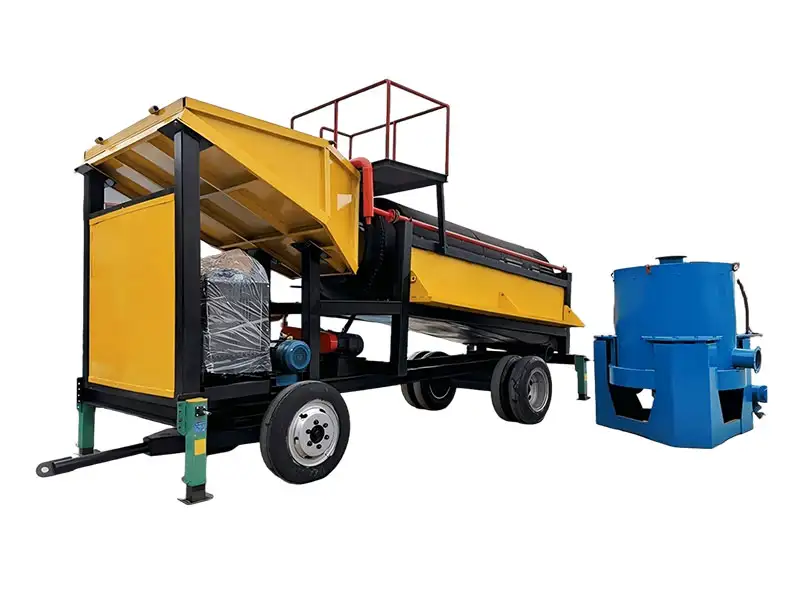
A trommel screen is a mechanical screening device that consists of a cylindrical drum, which is inclined slightly from the horizontal. As materials are fed into the drum, the rotation causes the smaller particles to pass through the screen apertures while larger materials are discharged at the end. Trommel screens can handle a variety of materials, including soil, compost, debris, and aggregates.
3. Types of Trommel Screens
Understanding the different types of trommel screens available can help you make an informed decision based on your operational needs.
3.1 Static Trommel Screens
Static trommel screens are fixed in position and do not require mobility. They are often used in permanent installations where materials are processed at a particular site. These screens are ideal for high-volume operations or when there's a consistent flow of materials.
3.2 Mobile Trommel Screens
Mobile trommel screens are designed for portability, enabling them to be moved from one site to another. These devices are particularly useful for contractors who need to process materials on various job sites. The flexibility of mobile trommel screens can enhance operational efficiency and reduce transportation costs.
4. Key Features to Consider When Choosing a Trommel Screen
When selecting a trommel screen, several critical features must be evaluated to ensure optimal performance and durability.
4.1 Screening Capacity
Screening capacity refers to the volume of material the trommel screen can process over a specific time frame. This capability can significantly influence your operational efficiency. Consider your throughput requirements and choose a trommel screen that meets or exceeds those needs.
4.2 Screening Efficiency
Screening efficiency is a measure of how effectively the trommel separates materials based on size. High-quality trommel screens can achieve higher efficiencies, resulting in better material classification and less contamination of the screened product.
4.3 Durability and Materials
The materials used in the construction of the trommel screen play a vital role in its durability. Look for screens made from high-strength steel or other durable materials that can withstand harsh operating conditions and heavy workloads.
4.4 Size and Dimensions
The size of the trommel screen should match your operational space and material handling processes. Consider the dimensions of the drum, the length of the screen, and the overall footprint to ensure it fits adequately within your operation.
5. Application-Specific Requirements
Different applications may require specific features and characteristics in a trommel screen. Understanding these requirements can help you choose the most suitable model.
5.1 Construction and Demolition Waste
For processing construction and demolition waste, trommel screens must be robust and capable of handling various materials, including wood, metal, and concrete.
5.2 Mining and Aggregates
In the mining sector, trommel screens are essential for sorting aggregates and separating minerals from waste material. The design may need to accommodate heavier and more abrasive materials.
5.3 Organic Waste Processing
Trommel screens used in organic waste processing must ensure that compostable materials are effectively screened and contaminants are removed. These screens should provide a high screening efficiency to maximize organic recovery.
6. Tips for Optimizing Trommel Screen Performance
To maximize the efficiency and lifespan of your trommel screen, consider the following tips:
1. **Regular Maintenance**: Schedule routine inspections and maintenance to keep your trommel screen in optimal working condition.
2. **Proper Feed Rate**: Ensure you maintain the correct feed rate to avoid overloading the screen and reducing efficiency.
3. **Adjustable Drum Speed**: Utilize adjustable drum speeds to optimize screening performance based on the material being processed.
4. **Screen Aperture Size**: Select an appropriate screen aperture size that matches the specific materials you are working with.
5. **Correct Angle of Inclination**: Adjust the angle of inclination to enhance material flow and screening results.
7. Common Mistakes to Avoid When Choosing a Trommel Screen
Choosing the wrong trommel screen can lead to inefficiencies and increased operational costs. Avoid these common pitfalls:
1. **Neglecting Material Characteristics**: Failing to consider the type of material you will be processing can result in poor performance and equipment failure.
2. **Overlooking Screening Capacity**: Choosing a trommel screen with insufficient capacity can lead to bottlenecks in your operation.
3. **Ignoring Maintenance Needs**: Underestimating the maintenance requirements can lead to higher downtime and repair costs.
4. **Selecting Based on Price Alone**: Focusing solely on upfront costs rather than total cost of ownership can lead to long-term inefficiencies.
8. Frequently Asked Questions
What type of materials can a trommel screen process?
Trommel screens can process a wide variety of materials, including soil, compost, aggregates, construction and demolition waste, and organic materials.
How often should I maintain my trommel screen?
Regular maintenance is essential. It's advisable to perform inspections at least once a month and more frequently if the trommel screen operates in harsh conditions.
Can trommel screens handle wet materials?
Yes, many trommel screens are designed to handle wet materials; however, operational adjustments may be necessary to maintain efficiency.
What is the typical lifespan of a trommel screen?
The lifespan of a trommel screen can vary significantly depending on usage, maintenance, and materials processed, but many units can last several years with proper care.
Are mobile trommel screens as efficient as static ones?
While mobile trommel screens may have slightly different efficiencies compared to static ones due to design variations, they can still deliver excellent performance if sized and configured correctly.
9. Conclusion
Choosing the right trommel screen is crucial for optimizing your material processing operations. By understanding the various types of trommel screens, key features to consider, and application-specific requirements, you can make an informed decision that enhances your operational efficiency. Regular maintenance and attention to detail will further ensure that your trommel screen delivers consistent and reliable performance. By following the recommendations outlined in this guide, you will be well equipped to select and utilize a trommel screen that meets your material processing needs effectively.
