
Jaw Crushers: The Backbone of Mining and Construction Projects
Oct 07,2026
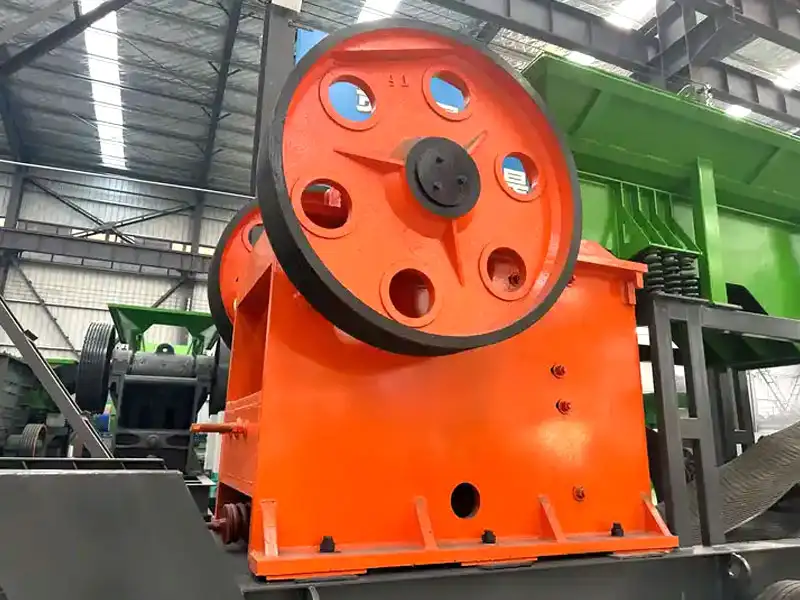
Jaw Crushers: The Backbone of Mining and Construction Projects
Introduction to Jaw Crushers in Mining and Construction
Jaw crushers serve as a fundamental component in the mining and construction industries. Their robust design and efficiency make them ideal for breaking down materials, paving the way for efficient processing and production. In this article, we will delve into the intricacies of jaw crushers, their applications, types, benefits, and how they contribute to successful mining and construction projects.
Understanding the Functionality of Jaw Crushers
Jaw crushers operate on the principle of compression. As two plates (the jaws) come together, they crush the material between them. This simple yet effective mechanism enables jaw crushers to handle various materials, from soft rocks to the hardest ores.
Key Components of Jaw Crushers
The essential parts of jaw crushers include:
- **Fixed Jaw**: Remains stationary and provides a surface for material to be crushed against.
- **Movable Jaw**: Alternates motion to crush materials as it moves toward the fixed jaw.
- **Toggle Plates**: Transfers the crushing power to the jaws and allows the movable jaw to pivot.
- **Crushing Chamber**: The space where the material is crushed.
Types of Jaw Crushers: Choosing the Right One for Your Needs
There are several types of jaw crushers available, each designed for specific applications. The most common types include:
- **Single Toggle Jaw Crusher**: Features a single moving jaw and is known for its simple design and ease of maintenance.
- **Double Toggle Jaw Crusher**: Utilizes two toggles, providing a more powerful crushing action and is suitable for tougher materials.
- **Mini Jaw Crushers**: Compact versions designed for smaller projects or limited space.
The Advantages of Using Jaw Crushers
Choosing jaw crushers for your projects comes with a multitude of benefits:
1. Versatility in Material Processing
Jaw crushers can efficiently process a wide range of materials, including granite, basalt, limestone, and recycled concrete. This versatility makes them indispensable in various industries.
2. High Efficiency and Productivity
With their robust design and effective crushing mechanisms, jaw crushers can achieve high throughput rates while maintaining reliability. This efficiency contributes to faster project timelines and increased productivity.
3. Cost-Effectiveness
Jaw crushers are often more affordable than other types of crushers, both in terms of initial investment and ongoing maintenance costs. Their durability and longevity also add to their cost-effectiveness over time.
4. Simple Operation and Maintenance
Most jaw crushers are designed for straightforward operation and require minimal training for personnel. Regular maintenance is also easy to perform, ensuring that the equipment remains in optimal condition.
Applications of Jaw Crushers in Mining and Construction
In the mining sector, jaw crushers play a crucial role in the extraction and initial processing of raw materials. Their ability to reduce large rocks into manageable sizes enables smoother operations in crushing plants.
Mining Applications
- **Ore Reduction**: Jaw crushers efficiently break down ore for further processing.
- **Material Handling**: They facilitate the movement of mined materials by reducing their size, making transport easier.
Construction Applications
- **Aggregate Production**: Jaw crushers are essential in producing aggregates for concrete and asphalt.
- **Demolition Projects**: They are often used to process demolished concrete and other materials for recycling.
Factors to Consider When Choosing a Jaw Crusher
When selecting a jaw crusher, several factors should be taken into account:
- **Material Type**: Understand the material you will be processing to choose the right crusher.
- **Throughput Requirements**: Assess your production needs to determine the appropriate size and capacity.
- **Space and Layout**: Consider the physical space available for installation and operation.
- **Budget Constraints**: Balance your performance requirements with your budget to make an informed choice.
Installation and Operational Best Practices
Proper installation and operation of jaw crushers are critical to maximizing their effectiveness:
Installation Guidelines
- **Site Preparation**: Ensure the installation site is level and stable.
- **Foundation**: Use a solid foundation to support the weight and vibrations of the crusher.
- **Alignment**: Check alignment to prevent undue wear on components.
Operational Tips
- **Regular Inspections**: Conduct routine checks to identify wear and tear.
- **Proper Lubrication**: Maintain lubrication for moving parts to prevent friction and wear.
- **Adjusting Settings**: Regularly adjust settings based on material size and requirements.
Maintenance Strategies for Optimal Performance
Implementing a solid maintenance strategy is essential for prolonging the life of jaw crushers:
Preventive Maintenance Schedule
- **Daily Checks**: Inspect for any abnormal noise or vibrations.
- **Weekly Maintenance**: Check hydraulic systems, toggle plates, and wear parts.
- **Monthly Servicing**: Conduct a thorough inspection, including the crushing chamber and bearings.
Common Repairs and Solutions
- **Jaw Replacement**: Replace worn jaws promptly to maintain efficiency.
- **Toggle Adjustment**: Regularly adjust toggle settings to ensure optimal crushing performance.
- **Bearing Replacement**: Replace bearings at the first sign of wear to prevent operational disruptions.
Future Trends in Jaw Crusher Technology
As technology evolves, the design and functionality of jaw crushers are also advancing. Key trends include:
- **Automation**: Increased automation for enhanced efficiency and reduced labor costs.
- **Smart Technology**: Integration of sensors and IoT for real-time monitoring and predictive maintenance.
- **Sustainability**: Development of eco-friendly materials and designs to minimize environmental impact.
FAQs About Jaw Crushers
1. What materials can be processed by a jaw crusher?
Jaw crushers can process a wide variety of materials, including ores, rocks, and construction debris.
2. How do I determine the right size jaw crusher for my project?
Assess your material type, throughput requirements, and available space to select the appropriate size.
3. What maintenance is required for jaw crushers?
Regular inspections, lubrication, and replacing worn parts are essential for maintaining jaw crushers.
4. Can jaw crushers operate in wet conditions?
While jaw crushers can handle some moisture, excessive water can hinder performance and lead to operational issues.
5. How long do jaw crushers typically last?
With proper maintenance, jaw crushers can last anywhere from 10 to 20 years or more, depending on usage and care.
Conclusion
Jaw crushers are undeniably the backbone of mining and construction projects, offering unmatched efficiency and versatility in material processing. By understanding their functionality, advantages, and maintenance requirements, industry professionals can leverage their capabilities to enhance project outcomes. As technology continues to evolve, staying informed about the latest advancements in jaw crusher design and application will ensure sustained success in the field. Whether you are involved in mining, construction, or recycling, investing in a high-quality jaw crusher is a decision that will pay dividends for years to come.
