
Expert Insights: Maintaining Your Gold Washing Drum Screen for Longevity
Sep 01,2025
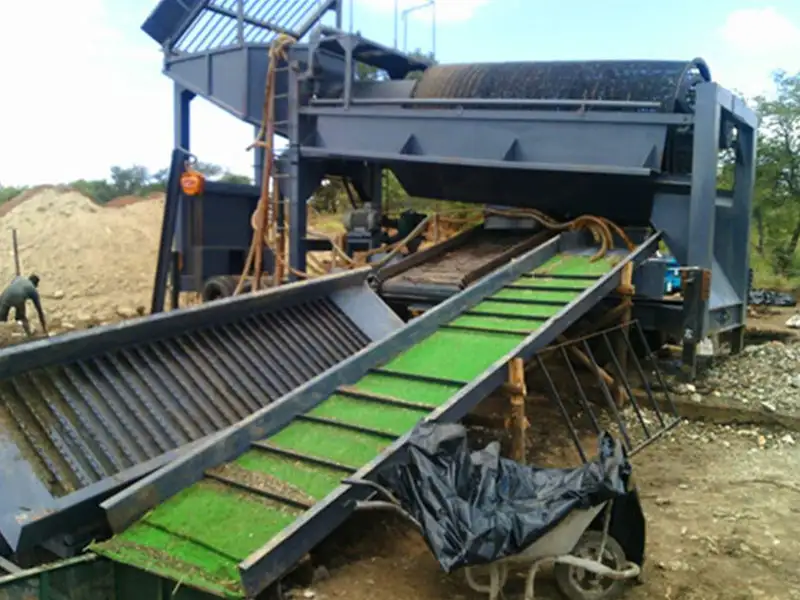
Expert Insights: Maintaining Your Gold Washing Drum Screen for Longevity
Table of Contents
- Introduction to Gold Washing Drum Screens
- The Importance of Regular Maintenance
- Key Components of a Gold Washing Drum Screen
- Preventive Maintenance Practices
- Troubleshooting Common Issues
- Operational Tips for Maximum Efficiency
- Best Practices for Longevity
- Conclusion
- Frequently Asked Questions
Introduction to Gold Washing Drum Screens
Gold washing drum screens are vital in the mining and manufacturing sectors, particularly in the extraction of gold from ore. These devices leverage rotational motion and filtration to separate valuable materials from waste. Understanding the structure and functioning of these machines is crucial for ensuring that they operate smoothly and efficiently. In this article, we will explore maintenance tips and best practices to enhance the longevity of your gold washing drum screen.
The Importance of Regular Maintenance
Regular maintenance is essential for any machinery, particularly for gold washing drum screens. Neglecting maintenance can lead to decreased efficiency, increased downtime, and costly repairs. Here are several reasons why maintaining your drum screen is pivotal:
1. Optimal Performance
A well-maintained drum screen operates at peak efficiency, ensuring that it effectively separates gold from waste material. Regular checks and maintenance help avoid issues that could impede performance.
2. Extended Equipment Lifespan
Investment in regular maintenance can significantly extend the lifespan of your equipment. By addressing minor issues before they escalate, you can avoid the need for major repairs or replacements.
3. Enhanced Safety
Proper maintenance is not only about performance but also safety. Regular inspections can identify potential hazards, ensuring a safer working environment for your team.
Key Components of a Gold Washing Drum Screen
To understand maintenance better, it’s critical to know the key components of a gold washing drum screen. Familiarity with these parts will inform your maintenance strategy.
1. Drum Cylinder
The drum cylinder is the core component where the washing process occurs. It's essential to check for any signs of wear or damage regularly.
2. Drive System
The drive system powers the rotation of the drum. Regular lubrication and inspection of belts and gears are necessary to prevent breakdowns.
3. Screen Mesh
The screen mesh is what separates the gold from the waste. Ensuring it’s clear of blockages and tears is crucial for efficiency.
Preventive Maintenance Practices
Preventive maintenance can significantly enhance the performance and longevity of your gold washing drum screen. Here are several practices to incorporate into your routine:
1. Regular Cleaning
Keeping the drum screen clean is essential. Accumulation of debris can lead to blockages, affecting performance. Clean the drum and screen mesh after each use to ensure optimal operation.
2. Lubrication
Regularly lubricate moving parts, including the drive system and any bearings. This will minimize friction and reduce wear and tear.
3. Inspections
Conduct thorough inspections regularly. Check for signs of wear in the drum cylinder, screen mesh, and drive system. Address any issues promptly to avoid further damage.
Troubleshooting Common Issues
Even with regular maintenance, issues may arise. Here are some common problems and how to troubleshoot them:
1. Reduced Separation Efficiency
If you notice decreased separation efficiency, check for blockages in the screen mesh. Clean any debris and inspect the mesh for tears or damages.
2. Unusual Noises
Unusual sounds from the drive system can signal problems. Inspect the belts and gears for wear, and ensure they are well-lubricated.
3. Drum Misalignment
If the drum seems misaligned, it could affect performance. Check the mounting hardware and adjust as necessary to ensure proper alignment.
Operational Tips for Maximum Efficiency
In addition to maintenance, operational practices can also enhance the efficiency of your gold washing drum screen. Here are some recommended tips:
1. Load Management
Avoid overloading the drum screen. Following the manufacturer's guidelines for load capacities will prevent undue stress on the machine.
2. Monitor Performance
Regularly monitor the performance of the machine. Keeping records of operational efficiency can help identify trends and potential issues early.
3. Training Operators
Ensure that operators are well-trained in the operation of the gold washing drum screen. Knowledge of best practices enhances both safety and efficiency.
Best Practices for Longevity
To maximize the lifespan of your gold washing drum screen, consider implementing these best practices:
1. Establish a Maintenance Schedule
Create a clear schedule for inspections and maintenance tasks. Consistency is key to preventing issues.
2. Use Quality Parts
When replacing any components, opt for high-quality parts. This can prevent early failures and contribute to better performance.
3. Keep Up with Technology
Stay informed about advancements in technology and maintenance practices in the industry. Implementing new technologies can enhance efficiency and reduce wear.
Conclusion
Maintaining your gold washing drum screen is essential for ensuring optimal performance and extending its lifespan. By incorporating regular cleaning, lubrication, and thorough inspections into your maintenance routine, you can avoid costly repairs and downtime. Understanding the key components and following best practices not only enhances the efficiency of the equipment but also contributes to a safer working environment. Whether you’re troubleshooting common issues or implementing new operational techniques, consistent attention to maintenance will pay dividends in performance and longevity.
Frequently Asked Questions
1. How often should I clean my gold washing drum screen?
Cleaning should be done after each use to ensure optimal performance.
2. What are the signs that my screen mesh needs replacing?
Look for tears, blockages, or decreased separation efficiency.
3. Can I perform maintenance tasks myself?
Yes, many maintenance tasks can be performed by trained personnel, but always refer to the manufacturer's guidelines.
4. What should I do if I hear unusual noises from my machine?
Inspect the drive system for wear, and ensure all parts are properly lubricated and aligned.
5. How can I ensure my operators are well-trained?
Provide regular training sessions and updates on best practices for operating the gold washing drum screen.
PREVIOUS:
