
The Benefits of Integrating Flange Oil Exciters in Your Designs: A Comprehensive Guide
Nov 26,2026
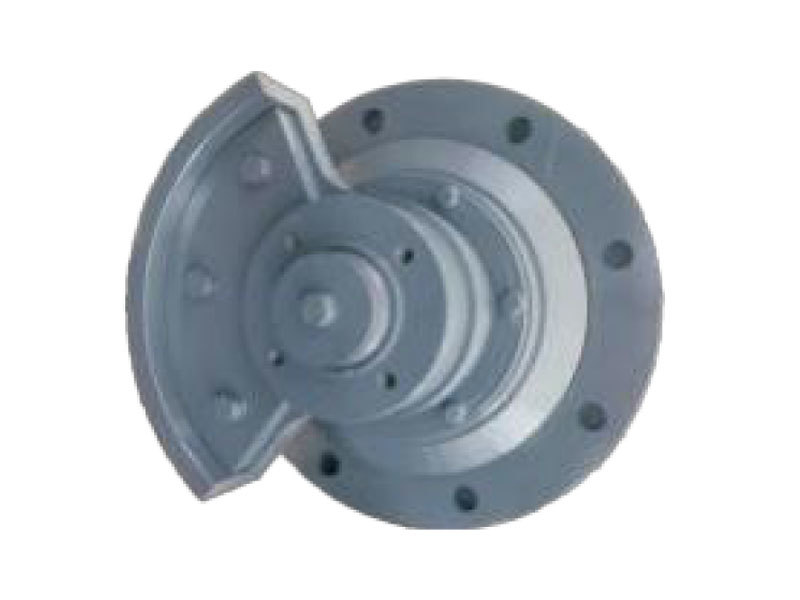
The Benefits of Integrating Flange Oil Exciters in Your Designs
Table of Contents
- 1. Introduction to Flange Oil Exciters
- 2. Understanding Flange Oil Exciters
- 3. Applications of Flange Oil Exciters in Engineering
- 4. Benefits of Integrating Flange Oil Exciters
- 5. Key Design Considerations
- 6. Installation and Maintenance of Flange Oil Exciters
- 7. Case Studies: Real-world Applications
- 8. Frequently Asked Questions
- 9. Conclusion
1. Introduction to Flange Oil Exciters
Flange oil exciters are a pivotal component in modern engineering, providing a unique solution for a variety of vibration issues and performance enhancements in electronic designs. As technology evolves, the demand for efficient and high-performance components is on the rise. This article will delve into the numerous benefits of integrating flange oil exciters, particularly in the context of electronic components such as frequency devices and oscillators.
2. Understanding Flange Oil Exciters
Flange oil exciters operate using a combination of mechanical and hydraulic principles to generate controlled vibrations. These exciters consist of a housing, an oil reservoir, and a diaphragm that converts hydraulic pressure into mechanical motion. This innovative design allows for precise control over vibration frequencies and amplitudes, making them ideal for applications that require exact specifications.
3. Applications of Flange Oil Exciters in Engineering
Flange oil exciters find their applications in various domains, including:
3.1 Automotive Engineering
In the automotive sector, these exciters help in testing components by simulating real-world conditions, ensuring durability and performance before vehicles hit the market.
3.2 Aerospace
For aerospace applications, flange oil exciters are crucial in testing the resilience and reliability of components under extreme conditions.
3.3 Industrial Machinery
In industrial settings, flange oil exciters assist in ensuring that heavy machinery operates efficiently and without excessive wear and tear.
3.4 Electronics Manufacturing
In electronics, particularly involving frequency devices and oscillators, they help to validate the performance and lifespan of sensitive components.
4. Benefits of Integrating Flange Oil Exciters
Integrating flange oil exciters into your designs can lead to numerous advantages, which we will explore in detail below.
4.1 Enhanced Performance
One of the primary benefits of flange oil exciters is their ability to enhance the overall performance of a system. By providing controlled vibrations, these exciters can significantly improve the response times and performance metrics of electronic components.
4.2 Improved Efficiency
Flange oil exciters contribute to improved efficiency by minimizing energy loss during operation. The precise control over vibrations ensures that components work optimally, making the system as a whole more efficient.
4.3 Reduced Vibration
Excessive vibrations can lead to component failure and inefficient performance. Flange oil exciters help to mitigate these vibrations, ensuring smoother operation and prolonging the lifespan of sensitive components.
4.4 Increased Lifespan
By reducing wear and tear on components through controlled vibrations, flange oil exciters contribute to an increased lifespan of mechanical and electronic parts. This reduction in stress translates to fewer replacements and lower maintenance costs over time.
5. Key Design Considerations
When integrating flange oil exciters into your designs, it is crucial to consider the following aspects:
5.1 Sizing and Specifications
Ensure that the flange oil exciter is correctly sized for your application. The specifications must align with the operational requirements to achieve optimal performance.
5.2 Material Selection
Choosing the right materials for both the exciter and the surrounding components is essential. Materials should withstand operational stresses and environmental conditions.
5.3 Compatibility with Existing Systems
Evaluate whether the flange oil exciter is compatible with your existing designs. Modifications may be necessary to fully leverage the benefits of integration.
6. Installation and Maintenance of Flange Oil Exciters
Proper installation and maintenance of flange oil exciters are critical for ensuring their effectiveness. Follow these guidelines:
6.1 Installation Procedures
Follow manufacturer recommendations for installation. Pay special attention to alignment and secure fittings, as these factors directly impact performance.
6.2 Regular Maintenance
Conduct regular inspections and maintenance to ensure that the oil levels are appropriate and that there are no leaks. This practice will help maintain the efficiency and performance of the exciter.
7. Case Studies: Real-world Applications
Real-world applications of flange oil exciters demonstrate their effectiveness across varied industries.
7.1 Case Study: Automotive Testing
In an automotive testing facility, integrating flange oil exciters reduced vibration-related failures by 30%, leading to enhanced vehicle reliability.
7.2 Case Study: Aerospace Component Testing
Aerospace manufacturers implemented flange oil exciters in their component testing, resulting in a 25% increase in test accuracy and efficiency.
8. Frequently Asked Questions
8.1 What are flange oil exciters used for?
Flange oil exciters are primarily used to control vibrations in various engineering applications, enhancing the performance and lifespan of electronic and mechanical components.
8.2 How do flange oil exciters work?
They operate through a combination of hydraulic principles and mechanical motion, converting hydraulic pressure into controlled vibrations.
8.3 Are flange oil exciters suitable for all applications?
While they are versatile, it is essential to assess compatibility with specific applications to ensure optimal performance.
8.4 What maintenance is required for flange oil exciters?
Regular inspections for oil levels and potential leaks are crucial for maintaining the functionality and efficiency of flange oil exciters.
8.5 Can flange oil exciters reduce operational costs?
Yes, by increasing efficiency and lifespan, flange oil exciters can significantly lower operational costs over time.
9. Conclusion
The integration of flange oil exciters into your engineering designs presents a multitude of benefits that enhance performance, efficiency, and component lifespan. By understanding their operation, applications, and maintenance requirements, engineers can leverage this technology to optimize their systems. The investment in flange oil exciters not only leads to superior performance but also ensures reliability and cost-effectiveness in the long run. As the demand for advanced electronic and mechanical components continues to grow, flange oil exciters stand out as a vital solution in modern engineering practices.
PREVIOUS:
