
The Role of Hanging Vibrating Feeders in Enhancing Soil Health
Sep 03,2025
The Role of Hanging Vibrating Feeders in Enhancing Soil Health
In the ever-evolving world of agriculture, **sustainable practices** are becoming more critical than ever. One innovation that has gained significant traction is the use of **hanging vibrating feeders**. These devices play an increasingly vital role in enhancing soil health, which is fundamental to ensuring high crop yields and sustainable farming practices.
Understanding Soil Health and Its Importance
Soil health refers to the condition of soil and its ability to function as a living ecosystem. Healthy soil supports plant growth, controls pests and diseases, and contributes to water filtration and carbon cycling. Improving soil health not only boosts agricultural productivity but also helps in combating environmental issues such as erosion and nutrient runoff.
Key Components of Soil Health
Several components contribute to soil health, including:
- Soil Structure: The arrangement of soil particles affects aeration, water retention, and root penetration.
- Nutrient Availability: Essential nutrients like nitrogen, phosphorus, and potassium must be present in adequate amounts for optimal plant growth.
- Microbial Activity: Healthy soil is teeming with microorganisms that decompose organic matter, thereby releasing nutrients back into the soil.
- Organic Matter: The presence of organic material improves soil structure and fertility.
What Are Hanging Vibrating Feeders?
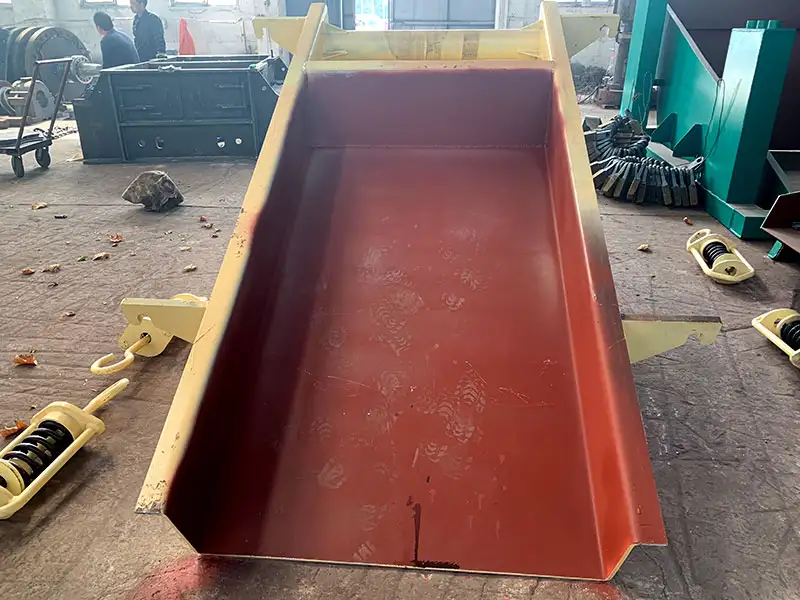
Hanging vibrating feeders are specialized devices designed to distribute feed and fertilizers evenly across soil surfaces. Unlike traditional feeding systems, these feeders utilize vibration to ensure consistent distribution, which can significantly enhance soil health.
How Hanging Vibrating Feeders Work
These feeders operate by using a series of vibrations to propel materials through a funnel or chute. The vibration helps to break apart clumps and distribute the material evenly across the soil, minimizing waste and maximizing effectiveness. This precise application is crucial in ensuring that nutrients reach the plants without over-application, which can lead to nutrient runoff and environmental harm.
The Mechanics of Vibration
The vibration mechanism in these feeders is typically powered by electric motors that generate oscillations. This vibration causes the material to flow smoothly, promoting even distribution across the soil. The technology allows for adjustments in vibration intensity, making it adaptable for different soil types and crop requirements.
Benefits of Using Hanging Vibrating Feeders
The integration of hanging vibrating feeders into agricultural practices can yield numerous benefits that directly enhance soil health.
1. Improved Nutrient Distribution
One of the primary benefits of using hanging vibrating feeders is their ability to deliver nutrients uniformly across the field. This ensures that plants receive the necessary nutrients they need for optimal growth, reducing the risk of over-fertilization and its associated environmental impacts.
2. Enhanced Soil Structure
By breaking down clumps of fertilizer or organic material, these feeders help improve soil structure. A well-structured soil promotes better water infiltration and root development, fostering healthier plant growth.
3. Reduced Soil Compaction
Hanging vibrating feeders minimize soil compaction by allowing for a more gentle application of materials. This helps maintain soil porosity, which is crucial for air and water movement within the soil.
4. Increased Microbial Activity
Even distribution of organic matter and nutrients encourages microbial activity, which is essential for nutrient cycling. Healthy microbial populations contribute to the overall fertility of the soil and promote a thriving ecosystem.
5. Cost-Effectiveness
Investing in hanging vibrating feeders can yield long-term cost savings. By optimizing nutrient application and improving soil health, farmers can achieve higher yields and lower input costs over time.
Applications of Hanging Vibrating Feeders in Agriculture
Hanging vibrating feeders can be utilized in various agricultural practices to enhance soil health effectively.
1. Fertilizer Application
One of the most common applications is for fertilizer distribution. By using hanging vibrating feeders, farmers can apply fertilizers evenly, which is critical for ensuring that crops receive the nutrients they need across different growth stages.
2. Organic Matter Distribution
Incorporating organic matter, such as compost or manure, is essential for improving soil health. Hanging vibrating feeders can help distribute these materials uniformly, reducing the likelihood of localized nutrient overload.
3. Seed Coating
In some cases, hanging vibrating feeders can be employed for seed coating, which involves applying fertilizers or protective coatings to seeds before planting. This technique enhances seed performance and promotes healthy germination.
Best Practices for Implementing Hanging Vibrating Feeders
To maximize the benefits of hanging vibrating feeders, it’s essential to follow best practices that ensure their effective use in agriculture.
1. Choose the Right Equipment
Selecting the appropriate size and type of hanging vibrating feeder is crucial. Factors such as the type of material being distributed, the size of the field, and the specific crop requirements should be considered.
2. Regular Maintenance
Regular maintenance of the feeders ensures their longevity and optimal performance. This includes checking for wear and tear on components, cleaning the feeders frequently, and ensuring that the vibration mechanism is functioning correctly.
3. Monitor Soil Health
Regular soil testing can help monitor nutrient levels and soil health indicators. This data can inform adjustments to the feeding strategy to ensure that the application meets the specific needs of the crops.
4. Training and Education
Farmers and operators should be trained in the effective use of hanging vibrating feeders. Understanding how to calibrate the equipment and apply materials can significantly impact the effectiveness of nutrient distribution.
Case Studies: Success Stories of Hanging Vibrating Feeders
Real-world examples can illustrate the effectiveness of hanging vibrating feeders in enhancing soil health.
1. Case Study: Organic Farms
On an organic farm in California, the implementation of hanging vibrating feeders allowed for the efficient distribution of organic compost. As a result, soil tests indicated a significant increase in nutrient levels and microbial activity over two growing seasons. This led to higher crop yields and reduced reliance on synthetic fertilizers.
2. Case Study: Large-Scale Agriculture
A large corn-producing farm in the Midwest adopted hanging vibrating feeders for fertilizer application. By transitioning from traditional methods to vibrating feeders, the farm reported a 20% reduction in fertilizer use while maintaining optimal crop yields, demonstrating the effectiveness of precise nutrient application.
Challenges and Solutions in Using Hanging Vibrating Feeders
While hanging vibrating feeders offer numerous benefits, challenges can arise during their implementation.
1. Initial Costs
The initial investment in hanging vibrating feeders can be significant. However, the long-term benefits, including reduced input costs and increased yields, can offset these initial expenses.
2. Technical Knowledge
Operators may require training to use these devices effectively. Providing comprehensive training programs can help ensure that users understand the equipment and its benefits.
3. Soil Variability
Soil types can vary significantly across fields, which may affect how materials are distributed. Conducting thorough soil assessments can help tailor the feeding strategy to the specific conditions of each field.
Future Trends in Soil Health and Feeding Technology
The future of agriculture is leaning towards more innovative technologies to enhance soil health. Here are some trends to watch for:
1. Precision Agriculture
Precision agriculture is revolutionizing how farmers approach soil health. Advanced technologies such as GPS and soil sensors can help optimize the use of hanging vibrating feeders, ensuring that nutrients are applied precisely where needed.
2. Sustainable Practices
As the demand for sustainable farming practices increases, the role of hanging vibrating feeders will likely grow. These devices can facilitate more responsible nutrient management, reducing environmental impact.
3. Integration with Other Technologies
Future developments may see hanging vibrating feeders being integrated with drones or automated machinery. This integration could further enhance efficiency and effectiveness in nutrient distribution.
FAQs About Hanging Vibrating Feeders and Soil Health
1. What are the main benefits of hanging vibrating feeders?
Hanging vibrating feeders provide improved nutrient distribution, enhanced soil structure, reduced compaction, increased microbial activity, and overall cost-effectiveness.
2. How do hanging vibrating feeders work?
These feeders utilize vibrations to distribute feed and fertilizers evenly across soil surfaces, ensuring consistent application and minimizing waste.
3. Can hanging vibrating feeders be used for organic matter distribution?
Yes, they are highly effective for distributing organic materials like compost and manure, which are crucial for enhancing soil health.
4. What types of crops benefit most from using hanging vibrating feeders?
All types of crops can benefit, but particularly nutrient-sensitive crops such as vegetables and fruits show significant improvements in growth and yield when nutrients are applied evenly.
5. Are there any challenges associated with using hanging vibrating feeders?
Challenges may include the initial cost, the need for technical knowledge, and soil variability. However, these can be addressed through proper training and soil assessments.
Conclusion
Hanging vibrating feeders are transforming the agricultural landscape by enhancing soil health and promoting sustainable farming practices. Through improved nutrient distribution, enhanced soil structure, and increased microbial activity, these devices offer a practical solution for farmers aiming to optimize crop yields while minimizing environmental impact. By adopting best practices and staying informed about future trends, farmers can leverage the benefits of hanging vibrating feeders to ensure the long-term health of their soil and the sustainability of their farming operations.
