
Maximizing Efficiency with Hanging Vibrating Feeders in Agricultural Facilities
Sep 04,2025
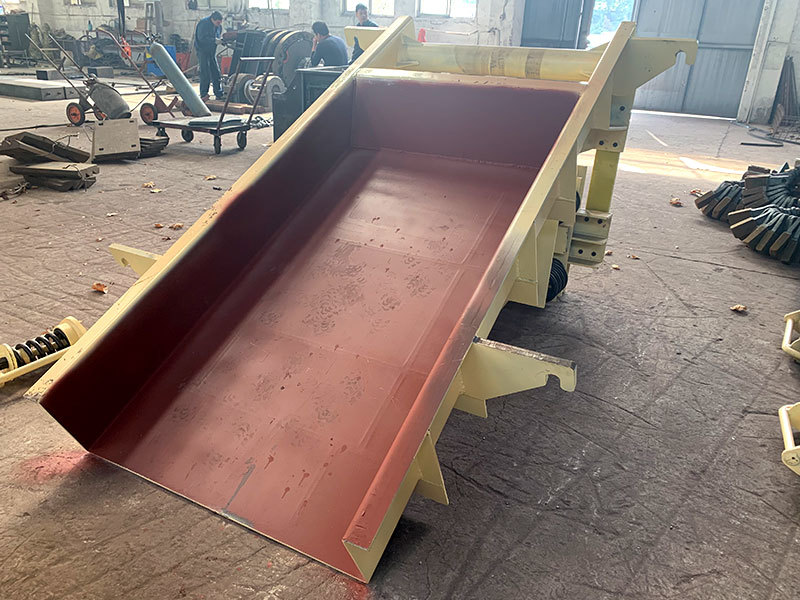
Hanging Vibrating Feeders are essential components in various agricultural applications, particularly in the realm of facility agriculture. These devices are designed to deliver materials in a controlled manner, ensuring that they are evenly distributed to the next phase in production. By utilizing a combination of gravity and vibration, these feeders help maintain an efficient flow of materials, which is crucial in the fast-paced environment of agricultural processing.
One of the primary advantages of Hanging Vibrating Feeders is their ability to handle a wide range of materials, from granules to powders. This versatility makes them ideal for different agricultural products, including seeds, fertilizers, and even dried fruits. The ability to adjust the vibration amplitude and frequency allows operators to customize the feeding rate depending on the specific material characteristics, thus enhancing operational efficiency.
In addition to their functionality, Hanging Vibrating Feeders are designed with durability in mind. Many models are constructed from high-quality materials that can withstand the rigors of agricultural environments, including exposure to moisture and potential corrosive substances. This durability translates into lower maintenance costs and longer operational lifespans, making them a cost-effective choice for agricultural facilities.
Another key benefit of these feeders is their ability to reduce waste. By providing a consistent flow of materials, they minimize the risk of overfeeding or underfeeding, which can lead to product loss or quality issues. This precision not only boosts productivity but also contributes to overall sustainability goals by reducing unnecessary waste in agricultural practices.
Furthermore, Hanging Vibrating Feeders can be integrated with automated systems, providing seamless connectivity throughout the production line. This integration enhances the overall efficiency of the operation, allowing for real-time monitoring and adjustments. Such automation is increasingly important in modern agricultural facilities, where labor shortages and the need for higher productivity levels drive demand for innovative solutions.
In summary, Hanging Vibrating Feeders play a pivotal role in enhancing material handling within agricultural facilities. Their versatility, durability, and ability to minimize waste make them an essential tool for optimizing operational efficiency. As the agricultural sector continues to evolve, incorporating advanced equipment like Hanging Vibrating Feeders will be crucial for staying competitive and meeting the increasing demands of the market. By leveraging these technologies, agricultural professionals can ensure their operations are not only productive but also sustainable, paving the way for a successful future in the industry.
PREVIOUS:
