
Maximizing Efficiency with Vibrating Sieves in Material Processing
Sep 30,2025
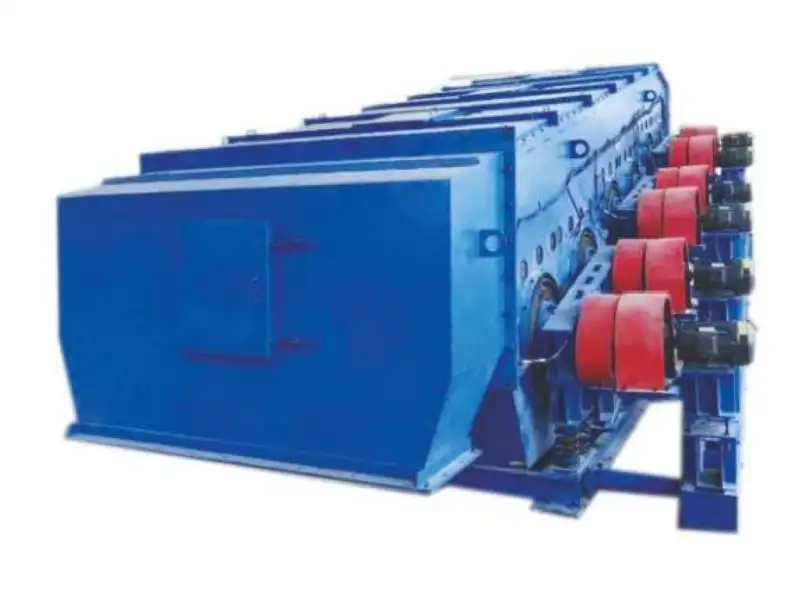
Vibrating sieves are crucial components within the material processing industry, particularly in the realms of crushing and sorting machinery. These devices utilize oscillatory motion to facilitate the separation of materials based on size and density, making them indispensable in various manufacturing processes. Understanding how vibrating sieves function can help professionals optimize their operations and improve product quality.
The core mechanism of a vibrating sieve involves the use of a vibratory motor that generates a controlled vibration. This motion causes the material placed on the sieve to move in a specific direction, allowing fine particles to pass through the mesh while larger particles remain on the surface. The effectiveness of this separation process is influenced by several factors, including the frequency of vibration, the amplitude of movement, and the mesh size of the sieve.
One of the key advantages of vibrating sieves is their ability to enhance productivity. By efficiently sorting materials, these machines reduce the time required for material classification, leading to faster processing times. Additionally, the precision offered by vibrating sieves ensures that materials are accurately separated, which minimizes waste and improves overall yield in manufacturing operations.
When selecting a vibrating sieve, it is essential to consider various factors such as the type of material being processed, the desired particle size distribution, and the throughput requirements. Different designs, such as linear or circular vibrating sieves, offer unique benefits tailored to specific applications. For instance, linear vibrating sieves are ideal for precise separation tasks, while circular vibrating sieves are better suited for handling larger volumes of material.
Maintenance and operational efficiency are also paramount when working with vibrating sieves. Regular inspections and timely maintenance can prevent downtime and prolong the lifespan of the equipment. Moreover, understanding the wear patterns on the sieve mesh can help in selecting the appropriate materials for long-lasting performance.
In conclusion, vibrating sieves play a vital role in the manufacturing and processing of materials within the crushing and screening machinery sector. By leveraging the unique capabilities of these devices, professionals can enhance their operational efficiency, reduce waste, and improve product quality. As the industry continues to evolve, staying informed about the latest advancements in vibrating sieve technology will be critical for maintaining a competitive edge.
