
What You Need to Know About Trommel Screen Applications: Maximizing Efficiency in Material Separation
Dec 11,2025
What You Need to Know About Trommel Screen Applications
Understanding Trommel Screens
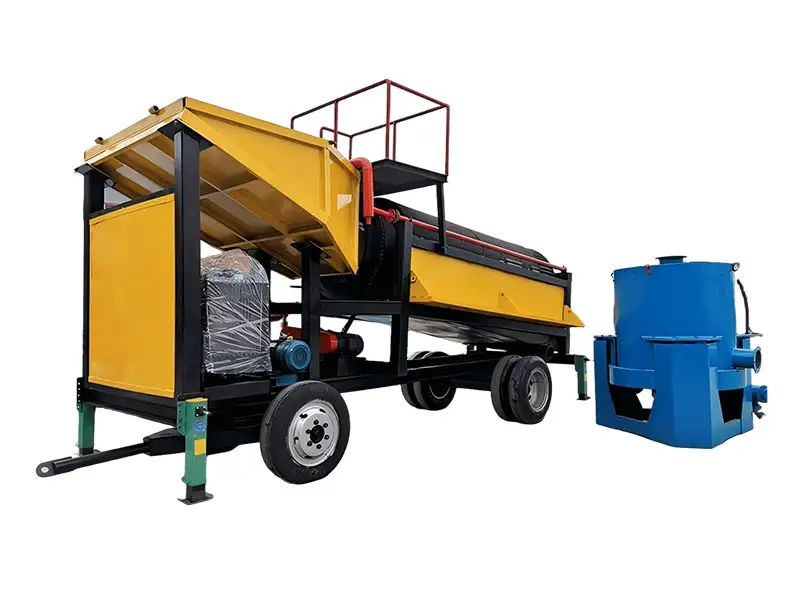
Trommel screens play a pivotal role in material separation across numerous industries. These cylindrical devices utilize gravity and rotation to classify materials based on size, making them indispensable tools in recycling, mining, and agriculture. By understanding how trommel screens work and their various applications, businesses can significantly improve their operational efficiency.
The Science Behind Trommel Screens
A trommel screen consists of a rotating drum, usually mounted at a slight angle. As materials are fed into the drum, gravity forces them through a series of perforations or mesh screens that separate particles by size. The larger particles exit through one end, while smaller particles proceed through the screens for further processing.
Key Components of Trommel Screens
- **Drum:** The main component housing the screens and the materials.
- **Screens:** Made from various materials, including steel and rubber, to accommodate different types of materials.
- **Drive Mechanism:** Powers the rotation of the drum, usually through electric motors.
- **Feed System:** The method by which materials are introduced to the trommel.
Benefits of Using Trommel Screens
Utilizing trommel screens comes with several advantages:
- **Efficient Material Separation:** Trommel screens can separate materials with high precision, ensuring that desired particles are effectively classified.
- **Reduced Labor Costs:** Automation leads to decreased manual labor, improving overall operational efficiency.
- **Versatility:** These machines can handle various materials, including soil, sand, gravel, and waste, making them suitable for multiple industries.
Applications of Trommel Screens in Different Industries
Trommel screens find applications in several sectors, each benefiting from the machine's efficiency and effectiveness.
1. Recycling Industry
In the recycling sector, trommel screens are vital for processing mixed waste. They help separate recyclable materials, such as plastics, metals, and organics, from non-recyclable waste. By maximizing the recovery of valuable materials, businesses enhance their sustainability efforts and reduce landfill waste.
How Trommel Screens Improve Recycling Processes
- **Separation of Contaminants:** Trommel screens effectively remove contaminants from recyclable streams, ensuring cleaner outputs.
- **Enhanced Sorting Efficiency:** With the ability to classify materials based on size and type, trommel screens streamline sorting processes.
2. Mining and Quarrying
In mining and quarrying, trommel screens are indispensable for sorting minerals and aggregates. By classifying materials in real-time, these machines ensure that only the desired sizes proceed to the next stage of processing, reducing waste and improving yield.
Key Benefits in Mining
- **Increased Recovery Rates:** Efficient sorting leads to higher recovery rates of valuable minerals.
- **Cost-Effectiveness:** By reducing the volume of materials processed, trommel screens lower operational costs.
3. Agriculture
Trommel screens also find their place in agriculture, particularly in soil and compost processing. These machines help farmers and agricultural businesses separate soil from debris, ensuring optimal soil quality for planting.
Soil and Compost Screening
- **Improved Soil Quality:** By removing unwanted materials, trommel screens enhance the quality of soil, promoting better crop yields.
- **Efficient Composting:** In compost facilities, they help in separating finished compost from larger, unprocessed materials.
Factors to Consider When Choosing a Trommel Screen
Selecting the right trommel screen for your specific application requires careful consideration of several factors:
1. Material Type
The nature of the materials being processed will dictate the design and configuration of the trommel screen. Different materials may require varying screen sizes and drum configurations.
2. Desired Output Size
Understanding the required output size is crucial. Trommel screens can be customized to produce specific particle sizes, so clear specifications are necessary.
3. Capacity and Throughput
Evaluating the expected material volume is essential. Trommel screens come in various sizes and capacities, so choosing one that can handle your expected throughput is vital.
4. Maintenance and Durability
Investing in a trommel screen with durable components will ensure longevity and reduce maintenance costs. Regular maintenance checks are necessary to keep the machine functioning optimally.
Maintaining Trommel Screens for Optimal Performance
Proper maintenance of trommel screens is vital to ensure long-term efficiency and reliability. Here are some best practices for maintaining these machines:
1. Regular Inspections
Frequent inspections help identify potential issues before they escalate. Check for wear and tear on screens, bearings, and motor components.
2. Cleaning Procedures
Keeping trommel screens clean prevents material buildup and ensures consistent performance. Regularly remove debris that may obstruct the screens.
3. Lubrication
Proper lubrication of moving parts is essential for smooth operation. Follow the manufacturer’s recommendations for lubrication schedules and types.
FAQs About Trommel Screen Applications
1. What materials can trommel screens process?
Trommel screens can process a wide range of materials, including soil, gravel, compost, and various types of waste. They are adaptable to different industries and material types.
2. How do trommel screens differ from vibrating screens?
Trommel screens utilize a rotating drum for separation, while vibrating screens use vibrations to move materials across a flat surface. Trommel screens are more effective for larger, bulkier materials.
3. What is the typical lifespan of a trommel screen?
With proper maintenance, trommel screens can last for several years. The lifespan depends on the quality of components and the frequency of use.
4. Can trommel screens be used for wet materials?
Yes, trommel screens are effective for wet materials. However, specific designs may be required to handle waterlogged materials efficiently.
5. What should I look for in a trommel screen manufacturer?
Look for manufacturers with a strong reputation, quality components, and excellent customer support. Consider their experience in your specific industry and application.
Conclusion
Trommel screens are invaluable tools for efficient material separation across various industries. By understanding their applications, benefits, and maintenance requirements, businesses can maximize productivity and reduce costs. Whether in recycling, mining, or agriculture, these machines play a crucial role in enhancing operational efficiency. Investing in the right trommel screen tailored to your needs will not only improve your processes but also contribute to sustainable practices in your industry. As technology advances, we can expect continued innovations in trommel screen applications, further solidifying their importance in material processing.
