
Exploring the Versatility of Trommel Screens in Various Industries
Mar 15,2026
Exploring the Versatility of Trommel Screens in Various Industries
Table of Contents
- 1. Introduction to Trommel Screens
- 2. How Trommel Screens Work
- 3. Applications of Trommel Screens in Waste Management
- 4. Trommel Screens in Mining and Mineral Processing
- 5. Agricultural Uses of Trommel Screens
- 6. Advantages of Trommel Screens
- 7. Maintenance and Care of Trommel Screens
- 8. Future Trends and Innovations in Trommel Screen Technology
- 9. Conclusion
- 10. Frequently Asked Questions about Trommel Screens
1. Introduction to Trommel Screens
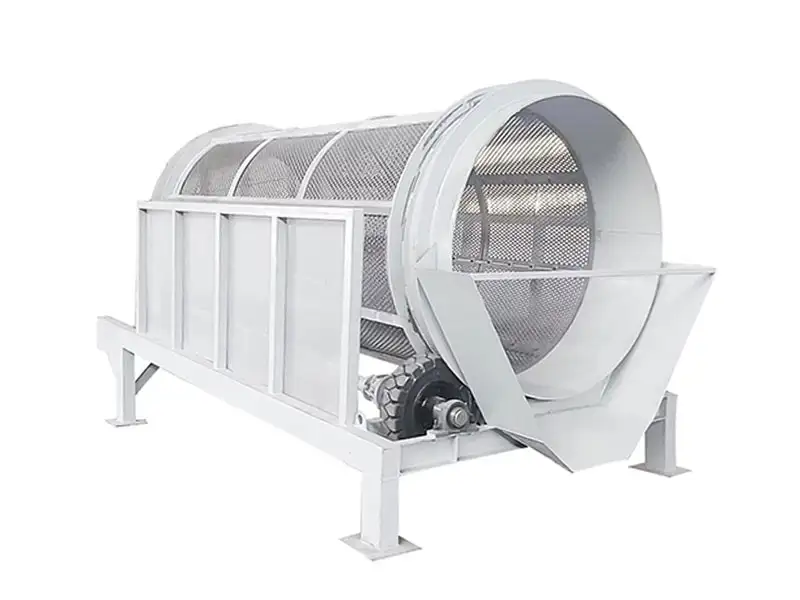
Trommel screens are cylindrical sieving devices that have gained immense popularity across various industries due to their remarkable versatility. These machines consist of a rotating drum, which allows materials to be screened through perforated holes within the drum as it rotates. The effective design and efficient screening capabilities make trommel screens invaluable in separating and sorting materials in a variety of applications, from waste processing to mining operations.
2. How Trommel Screens Work
Trommel screens operate on a relatively straightforward principle. As materials are fed into the rotating drum, gravity causes them to tumble within the drum. The cylindrical design and rotating motion allow smaller particles to pass through the perforated holes while larger materials continue to move towards the end of the drum. This separation process is highly effective and can be customized based on the specific needs of the industry and the materials being screened.
2.1 Key Components of Trommel Screens
Understanding the essential components that make up trommel screens is crucial for appreciating their functionality:
- **Drum**: The main body that houses the screening perforations.
- **Drive System**: The motor and gear system responsible for rotating the drum.
- **Feed Hopper**: A chute or opening where materials are fed into the trommel.
- **Discharge Chutes**: Outlets at both ends to collect separated materials.
3. Applications of Trommel Screens in Waste Management
In the realm of waste management, trommel screens play a pivotal role in enhancing the efficiency of recycling and waste processing. They are instrumental in sorting through municipal solid waste, construction debris, and industrial waste.
3.1 Sorting Recyclables
Trommel screens effectively separate recyclables from mixed waste streams. By screening out plastics, metals, and organic materials, waste management facilities can achieve higher recycling rates, thus contributing to sustainability.
3.2 Composting Operations
In composting, trommel screens help separate finished compost from larger, undecomposed materials. This process ensures that the final product is of high quality and free from contaminants.
4. Trommel Screens in Mining and Mineral Processing
The mining industry benefits significantly from trommel screens, especially in the processes of extracting minerals and precious metals.
4.1 Screening Ore and Material
Trommel screens are used to sort through mined materials, separating valuable minerals from waste rock. Their ability to handle large volumes of material makes them essential for efficient mining operations.
4.2 Gold Recovery Processes
In gold mining, trommel screens are frequently employed as part of the wash plant setup. They help to ensure that fine gold particles are not lost by allowing them to settle and be collected effectively.
5. Agricultural Uses of Trommel Screens
Trommel screens also find applications in the agricultural sector, where they contribute to soil management and processing agricultural products.
5.1 Soil Screening
Farmers use trommel screens to separate stones and debris from soil, preparing it for planting. This not only enhances soil quality but also increases crop yields.
5.2 Seed Processing
In seed processing facilities, trommel screens are used to clean seeds by removing dirt and debris, ensuring that only the highest quality seeds are planted.
6. Advantages of Trommel Screens
The versatility of trommel screens is further enhanced by several key advantages.
6.1 High Efficiency
Trommel screens are remarkably efficient in separating materials, which minimizes waste and maximizes yield across operations.
6.2 Customizable Design
These machines can be customized in terms of drum size, hole diameter, and rotation speed, making them suitable for a wide range of applications.
6.3 Cost-Effective Solution
Investing in trommel screens often results in cost savings due to their ability to streamline processes and reduce labor costs.
7. Maintenance and Care of Trommel Screens
To ensure optimal performance, proper maintenance of trommel screens is essential.
7.1 Regular Inspections
Conducting routine inspections helps identify wear and tear, allowing for timely repairs and replacements that prevent costly downtime.
7.2 Cleaning Regimens
Maintaining a cleaning schedule for the drum and screening surfaces ensures that materials don’t accumulate, which can impact efficiency.
8. Future Trends and Innovations in Trommel Screen Technology
As industries continue to evolve, so do trommel screen technologies. Innovations are being introduced that enhance performance and functionality.
8.1 Automation and Smart Technology
The integration of automation and smart monitoring systems into trommel screens is on the rise, leading to improved efficiency and reduced operational costs.
8.2 Eco-Friendly Designs
There is a growing trend towards eco-friendly trommel screens that utilize sustainable materials and energy-efficient designs, aligning with global sustainability goals.
9. Conclusion
Trommel screens have proven themselves as vital tools across a myriad of industries, significantly improving efficiency in processes related to waste management, mining, and agriculture. Their remarkable versatility, coupled with advancements in technology, positions them as essential components in modern industrial practices. As we continue to explore innovative solutions for resource management, trommel screens will undoubtedly remain at the forefront of operational efficiency and sustainability.
10. Frequently Asked Questions about Trommel Screens
What materials can be screened using trommel screens?
Trommel screens can effectively screen a wide range of materials, including soil, compost, recyclables, aggregates, and minerals.
How do I choose the right trommel screen for my needs?
Selecting the appropriate trommel screen depends on factors such as the type of material being processed, the desired separation size, and throughput requirements.
Are trommel screens energy-efficient?
Yes, trommel screens are designed to operate efficiently, and many modern models incorporate energy-saving technologies.
What is the average lifespan of a trommel screen?
With proper maintenance, a trommel screen can last many years, typically ranging from 10 to 20 years depending on usage and care.
Can trommel screens be used for small-scale operations?
Absolutely, trommel screens come in various sizes and configurations, making them suitable for both large industrial operations and smaller-scale applications.
