
Understanding Cone Crushers: A Comprehensive Guide to Their Functionality and Benefits
Mar 18,2026
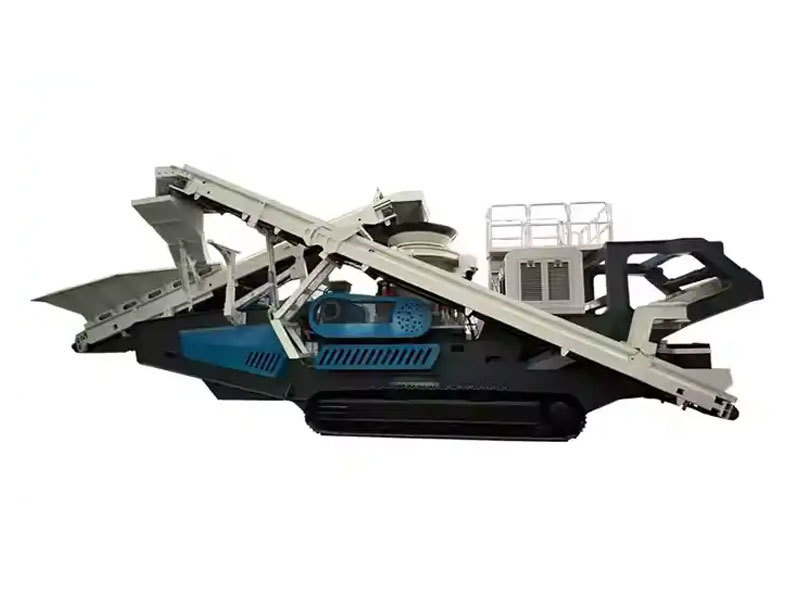
Cone crushers are a pivotal component in the manufacturing and processing machinery sector, particularly within the realm of crushing and sorting equipment. Designed to crush materials through the application of compressive force, cone crushers are adept at handling a wide variety of ores and rocks, making them a versatile choice for many industries.
One of the defining features of cone crushers is their unique design, which consists of a conical shell and a crushing head. The material to be processed is fed into the top of the machine, and as it descends, it is crushed between the conical surfaces. This method of crushing is efficient, as it allows for a more uniform output size and minimizes the creation of undesirable fines.
In addition to their effective crushing capabilities, cone crushers offer several advantages that make them a preferred choice in many applications. For starters, their robust construction ensures longevity and reduced wear and tear, which translates to less frequent maintenance and lower operational costs. Furthermore, cone crushers can accommodate various sizes and types of material, enabling companies to adapt to changing production needs without significant equipment investment.
Another benefit of using cone crushers is their ability to produce a consistently high-quality product. The closed-loop system allows for continuous monitoring and adjustment of the crushing process, ensuring that the output meets specific size and shape requirements. This level of control is crucial in industries like mining, construction, and recycling, where material specifications can impact product performance.
Moreover, cone crushers are generally more energy-efficient compared to other types of crushers. Their design minimizes the energy required for processing materials, which not only lowers operating costs but also supports sustainability initiatives by reducing energy consumption.
In terms of versatility, cone crushers can be utilized in a variety of settings. From secondary and tertiary crushing stages in mining operations to concrete recycling and aggregate production, these machines are indispensable in numerous applications. They can be equipped with various liners and settings to optimize performance based on material characteristics and desired output.
In conclusion, cone crushers are essential machinery in the manufacturing and processing sectors, offering numerous benefits such as durability, energy efficiency, and product quality. Their adaptable design allows manufacturers to efficiently process a wide range of materials, making them a critical investment for businesses looking to enhance their operational capabilities. Understanding the functionality and advantages of cone crushers can significantly aid companies in making informed decisions about their equipment needs.
One of the defining features of cone crushers is their unique design, which consists of a conical shell and a crushing head. The material to be processed is fed into the top of the machine, and as it descends, it is crushed between the conical surfaces. This method of crushing is efficient, as it allows for a more uniform output size and minimizes the creation of undesirable fines.
In addition to their effective crushing capabilities, cone crushers offer several advantages that make them a preferred choice in many applications. For starters, their robust construction ensures longevity and reduced wear and tear, which translates to less frequent maintenance and lower operational costs. Furthermore, cone crushers can accommodate various sizes and types of material, enabling companies to adapt to changing production needs without significant equipment investment.
Another benefit of using cone crushers is their ability to produce a consistently high-quality product. The closed-loop system allows for continuous monitoring and adjustment of the crushing process, ensuring that the output meets specific size and shape requirements. This level of control is crucial in industries like mining, construction, and recycling, where material specifications can impact product performance.
Moreover, cone crushers are generally more energy-efficient compared to other types of crushers. Their design minimizes the energy required for processing materials, which not only lowers operating costs but also supports sustainability initiatives by reducing energy consumption.
In terms of versatility, cone crushers can be utilized in a variety of settings. From secondary and tertiary crushing stages in mining operations to concrete recycling and aggregate production, these machines are indispensable in numerous applications. They can be equipped with various liners and settings to optimize performance based on material characteristics and desired output.
In conclusion, cone crushers are essential machinery in the manufacturing and processing sectors, offering numerous benefits such as durability, energy efficiency, and product quality. Their adaptable design allows manufacturers to efficiently process a wide range of materials, making them a critical investment for businesses looking to enhance their operational capabilities. Understanding the functionality and advantages of cone crushers can significantly aid companies in making informed decisions about their equipment needs.
PREVIOUS:
