
Essential Safety Tips for Operating Small Jaw Crushers: A Comprehensive Guide
Mar 27,2026
Essential Safety Tips for Operating Small Jaw Crushers: A Comprehensive Guide
Introduction to Small Jaw Crushers
Operating small jaw crushers involves various safety considerations that every operator must understand. These machines are essential in crushing and sorting materials in construction, mining, and recycling industries. However, without proper safety protocols, the operation can pose significant risks. This article will explore essential safety tips for operating small jaw crushers to ensure a safe working environment.
Understanding the Mechanics of Small Jaw Crushers
How Small Jaw Crushers Work
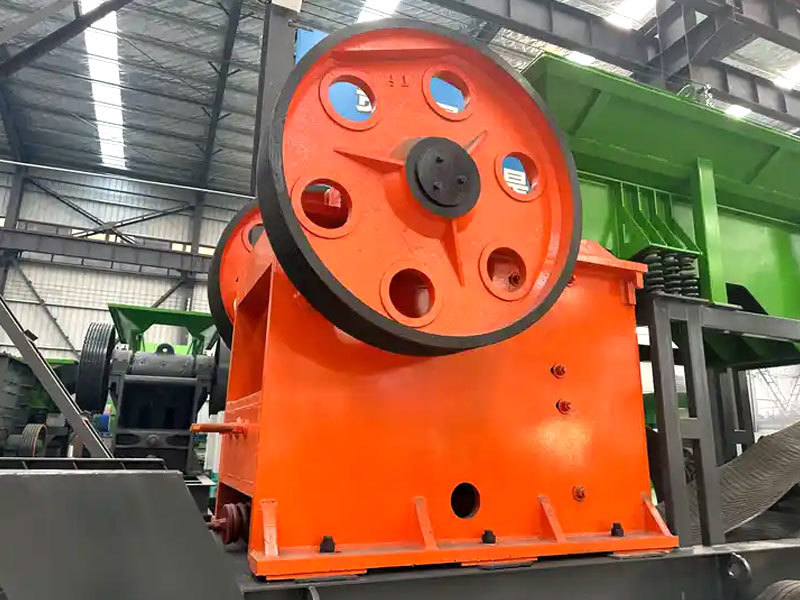
Small jaw crushers utilize a powerful motor to drive a set of jaws that crushes rocks and materials into smaller pieces. The device consists of two jaws: one fixed and one movable. As the motor operates, the movable jaw approaches the fixed jaw, crushing the material between them. The efficiency and effectiveness of the crushing process depend on proper operation and maintenance.
Common Applications of Small Jaw Crushers
These crushers are commonly used in various applications, including:
- **Rock and mineral processing:** Efficiently reducing raw materials to required sizes for further processing.
- **Recycling efforts:** Crushing concrete and asphalt for reuse in construction.
- **Mining operations:** Breaking down ore into manageable sizes for extraction.
Why Safety is Crucial When Operating Small Jaw Crushers
Safety is paramount when operating heavy machinery like small jaw crushers. The risks of accidents or injuries can be severe. Understanding these risks and adhering to safety protocols not only protects operators but also enhances productivity and compliance with regulations.
Identifying Common Hazards
Common hazards associated with small jaw crushers include:
- **Mechanical hazards:** Crushing injuries from moving parts.
- **Electrical hazards:** Risks from improper wiring or equipment failure.
- **Noise exposure:** Hearing damage from operating machinery without protection.
- **Dust exposure:** Respiratory issues from inhaling dust produced during crushing.
Essential Safety Tips for Operating Small Jaw Crushers
1. Conduct Pre-Operational Checks
Before operating a small jaw crusher, conduct thorough pre-operational checks:
- Inspect all components, including belts, jaws, and safety guards, for any signs of wear or damage.
- Ensure that the crusher is properly lubricated, and all fluids are at appropriate levels.
- Verify that safety devices, such as emergency stop buttons, are functional.
2. Wear Appropriate Personal Protective Equipment (PPE)
Wearing the right PPE is critical for protecting operators from potential hazards:
- **Safety goggles** to shield eyes from flying debris.
- **Ear protection** to reduce noise exposure.
- **Hard hats** to protect against head injuries.
- **Gloves** to prevent cuts when handling materials.
- **Steel-toed boots** to protect feet from heavy equipment.
3. Understand the Operating Procedures
Familiarize yourself with the manufacturer’s operating manual to understand the best practices specific to your model. Key points include:
- Proper startup and shutdown procedures.
- Adjusting settings for optimal crushing efficiency.
- Recognizing warning signs of malfunction or overload.
4. Maintain a Clean Work Area
Keeping the work area clean and organized is essential for safety:
- Remove any clutter, debris, or loose materials that could pose tripping hazards.
- Ensure that pathways to emergency exits are clear and accessible.
- Maintain a designated area for tools and equipment to avoid accidents.
5. Implement Lockout/Tagout Procedures
Lockout/tagout (LOTO) is essential for ensuring that equipment is properly shut down and unable to be started up again until maintenance or repairs are complete. Procedures include:
- Locking and tagging out the power source before performing any maintenance.
- Using a lockout device to ensure that only the person performing maintenance can unlock and start the machine.
6. Operate the Crusher within Its Limits
Every small jaw crusher has operational limits regarding material size, weight, and throughput. Exceeding these limits can lead to equipment damage and safety hazards. Important considerations include:
- Always consult the manufacturer’s specifications.
- Avoid overloading the crusher, which can lead to malfunctions.
7. Monitor for Unusual Sounds or Vibrations
While operating the crusher, pay attention to any unusual sounds or vibrations, which could indicate potential issues. If you notice:
- Unexplained noises, such as grinding or rattling, stop the machine immediately.
- Vibrations that feel excessive, indicating loose parts or misalignment, warrant a thorough inspection.
8. Follow Emergency Procedures
Being prepared for emergencies is vital for ensuring safety:
- Establish and communicate emergency procedures clearly to all operators.
- Conduct regular drills to ensure everyone knows their role in case of an incident.
- Keep first aid kits and emergency contact information readily accessible.
Best Practices for Maintenance and Inspection
Regular Inspections
Conducting regular inspections helps to identify potential issues before they become serious problems. Recommended inspection intervals include:
- Daily checks before use.
- Weekly comprehensive inspections.
- Monthly maintenance reviews, focusing on wear parts and structural integrity.
Routine Maintenance Tasks
Establishing a routine maintenance schedule is essential for the longevity of the equipment. Key tasks include:
- Replacing worn or damaged parts promptly.
- Lubricating moving parts according to the manufacturer’s recommendations.
- Cleaning dust and debris buildup to ensure efficient operation.
Training and Certification for Operators
Importance of Proper Training
Training is crucial to ensure that all operators are knowledgeable about safety protocols and the proper use of small jaw crushers. Training programs should cover:
- Safe operating procedures.
- Emergency response actions.
- Equipment maintenance practices.
Seeking Certification
Encouraging operators to obtain certifications can enhance safety compliance. Certifications can provide a formal acknowledgment of an operator’s skills and knowledge, further reducing the risk of accidents.
Conclusion
Operating small jaw crushers requires strict adherence to safety protocols and best practices to minimize risks and enhance overall efficiency. By conducting thorough pre-operational checks, wearing appropriate PPE, understanding operational procedures, and maintaining a clean work environment, operators can significantly reduce the likelihood of accidents. Implementing regular maintenance and training programs further ensures the long-term safety and effectiveness of your equipment. Prioritize safety as an integral part of your operations to protect your team and enhance productivity.
FAQs About Safety Tips for Operating Small Jaw Crushers
1. What is the most important safety tip when operating small jaw crushers?
The most crucial safety tip is to always wear appropriate personal protective equipment (PPE) to safeguard against potential hazards.
2. How often should small jaw crushers be inspected?
Daily inspections before use, alongside weekly comprehensive reviews and monthly maintenance checks, are recommended to ensure safety and functionality.
3. What should I do if I notice unusual sounds while operating a jaw crusher?
If you hear unusual sounds, stop the machine immediately and inspect it for possible issues, as they may indicate mechanical problems.
4. Are lockout/tagout procedures necessary for small jaw crushers?
Yes, implementing lockout/tagout procedures is essential for ensuring that machinery cannot be accidentally started during maintenance.
5. Why is training important for small jaw crusher operators?
Training ensures that operators are knowledgeable about safe operating procedures, equipment maintenance, and emergency response actions, which helps prevent accidents.
PREVIOUS:
