
How Trommel Screens Revolutionize Screening Processes in Manufacturing
Apr 19,2026
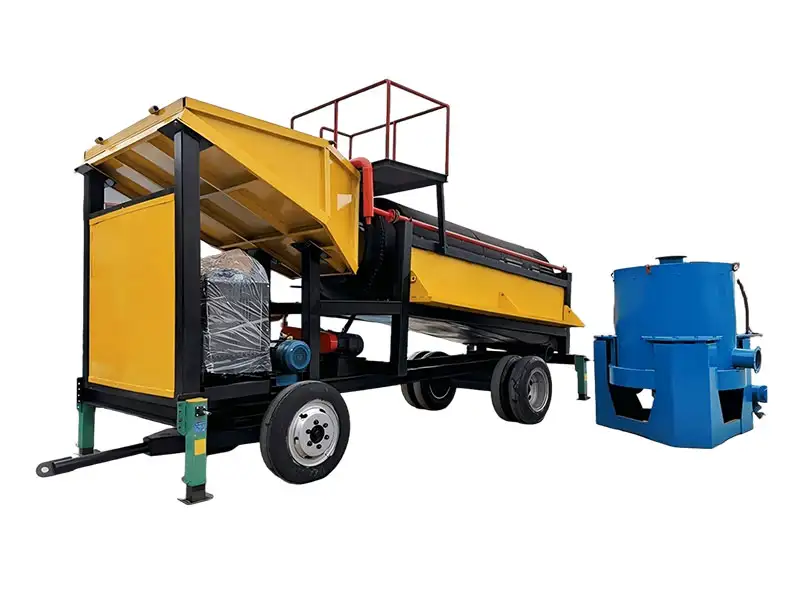
How Trommel Screens Revolutionize Screening Processes in Manufacturing
Table of Contents
- 1. Introduction to Trommel Screens
- 2. Understanding Trommel Screens: A Key Component in Manufacturing
- 3. Benefits of Using Trommel Screens in Manufacturing
- 3.1 Improved Efficiency and Productivity
- 3.2 Cost-Effectiveness and Resource Optimization
- 3.3 Versatility Across Different Industries
- 4. Applications of Trommel Screens in Various Industries
- 5. How Trommel Screens Work: A Technical Overview
- 6. Maintenance and Care of Trommel Screens
- 7. Conclusion: The Future of Screening Processes with Trommel Screens
- 8. FAQs About Trommel Screens
1. Introduction to Trommel Screens
In the fast-paced world of manufacturing, efficiency and precision are paramount. One of the vital components that facilitate these aspects is the trommel screen. Designed for effective separation and classification of materials, trommel screens are cylindrical sieves that rotate and sort materials based on size. As industries evolve, the demand for advanced screening solutions grows, making trommel screens essential in modern manufacturing processes.
2. Understanding Trommel Screens: A Key Component in Manufacturing
Trommel screens operate by utilizing gravity and rotation to separate materials. The screen surface consists of perforated panels that allow smaller particles to pass through while retaining larger ones. **This functionality enables manufacturers** to optimize their sorting processes, ensuring high-quality outputs in various applications.
The design of trommel screens can vary, but their core functionality remains consistent. They are commonly used for bulk material handling in sectors such as construction, mining, and recycling. As we delve deeper into the benefits and applications of trommel screens, it becomes clear that these machines are indispensable in achieving operational excellence.
3. Benefits of Using Trommel Screens in Manufacturing
3.1 Improved Efficiency and Productivity
The primary advantage of trommel screens lies in their **ability to enhance efficiency** in the screening process. By effectively separating materials based on size, manufacturers can significantly reduce processing times. The rotational mechanism ensures continuous operation, allowing large volumes of material to be screened with minimal downtime. This efficiency translates directly into increased productivity for manufacturing facilities.
3.2 Cost-Effectiveness and Resource Optimization
Investing in trommel screens can lead to substantial cost savings in the long run. By optimizing material separation, manufacturers can minimize waste and maximize resource utilization. This **cost-effectiveness** is particularly evident in industries where raw materials are expensive and minimizing losses is crucial. Additionally, the durability and low maintenance requirements of trommel screens contribute to their overall cost-effectiveness.
3.3 Versatility Across Different Industries
Trommel screens are incredibly versatile and can adapt to a range of applications across various industries. From mining to construction and recycling, their ability to handle different materials makes them a valuable asset. Whether dealing with soil, aggregates, or recyclable materials, the versatility of trommel screens ensures that they meet the specific needs of different manufacturing processes.
4. Applications of Trommel Screens in Various Industries
Trommel screens find applications across multiple sectors, enhancing operational efficiency and product quality. Below are three prominent industries where trommel screens play a crucial role:
4.1 Trommel Screens in Mining
In the mining industry, trommel screens are essential for separating valuable minerals from waste material. They efficiently process large volumes of earth, allowing miners to extract ores with precision. By utilizing trommel screens, mining operations can improve their material recovery rates, ensuring that no valuable resources are left behind.
4.2 Enhancing Recycling Processes
Recycling facilities benefit significantly from trommel screens as they effectively sort recyclable materials. By separating metals, plastics, and other materials, trommel screens enhance the efficiency of recycling processes. This not only promotes environmental sustainability but also maximizes the quality of recycled products, paving the way for a circular economy.
4.3 Applications in Agriculture
In agriculture, trommel screens are used for soil screening, composting, and seed cleaning. They help farmers separate rocks and debris from soil, ensuring optimal growing conditions. Additionally, trommel screens can be utilized to process organic waste, transforming it into valuable compost for agricultural use.
5. How Trommel Screens Work: A Technical Overview
Understanding the technical workings of trommel screens can provide valuable insights into their efficiency. The cylindrical design allows for continuous material flow, while the rotating motion ensures thorough mixing and screening. As materials enter the trommel, larger particles are retained on the screen surface, while smaller ones pass through the perforations.
The angle of the trommel and the size of the perforations can be adjusted based on the material being processed. This customization ensures optimal separation and enhances the overall effectiveness of the screening process. Additionally, the use of vibrating screens in conjunction with trommel screens can further improve material classification.
6. Maintenance and Care of Trommel Screens
To ensure long-lasting performance, proper maintenance of trommel screens is essential. Regular inspections should be conducted to identify and address potential issues. Here are several key maintenance practices:
- **Cleaning:** Regularly clean the trommel to prevent material buildup, which can hinder performance.
- **Inspections:** Periodically inspect the screen surfaces for wear and tear, replacing them as necessary.
- **Lubrication:** Ensure that all moving parts are adequately lubricated to minimize friction and wear.
- **Alignment Checks:** Regularly check the alignment of the trommel to prevent undue stress on the components.
By adhering to these maintenance practices, manufacturers can extend the lifespan of their trommel screens and maximize their investment.
7. Conclusion: The Future of Screening Processes with Trommel Screens
Trommel screens have emerged as a game-changer in the manufacturing sector, revolutionizing how materials are screened and sorted. Their efficiency, cost-effectiveness, and versatility make them indispensable tools across various industries, from mining to agriculture. As technology continues to advance, we can anticipate further innovations in trommel design and functionality, enhancing their capabilities even more.
In conclusion, the integration of trommel screens into manufacturing processes not only improves operational efficiency but also promotes sustainability and resource optimization. As industries strive for higher productivity and lower environmental impact, trommel screens will undoubtedly play a pivotal role in shaping the future of manufacturing.
8. FAQs About Trommel Screens
What materials can trommel screens process?
Trommel screens can process a wide range of materials, including soil, gravel, compost, waste, and recyclables. Their versatility makes them suitable for various applications.
How often should trommel screens be maintained?
Regular maintenance is crucial for optimal performance. It is recommended to conduct inspections and cleanings on a monthly basis, with more thorough check-ups quarterly or as needed based on usage.
Can trommel screens be used in wet conditions?
Yes, trommel screens are designed to handle wet materials. However, adjustments may be necessary to optimize performance in wet conditions, such as increasing the rotation speed.
What is the typical lifespan of a trommel screen?
The lifespan of a trommel screen can vary based on usage and maintenance but typically ranges from 10 to 15 years with proper care.
How do trommel screens compare to vibrating screens?
Trommel screens are generally more effective for separating materials based on size due to their rolling action, while vibrating screens are better suited for finer separations. Often, they are used in conjunction for enhanced screening processes.
By leveraging the unique advantages of trommel screens, manufacturers can significantly enhance their screening processes, leading to improved productivity and resource efficiency.
PREVIOUS:
