
Understanding Vibrating Motors: Mechanisms and Applications
May 01,2026
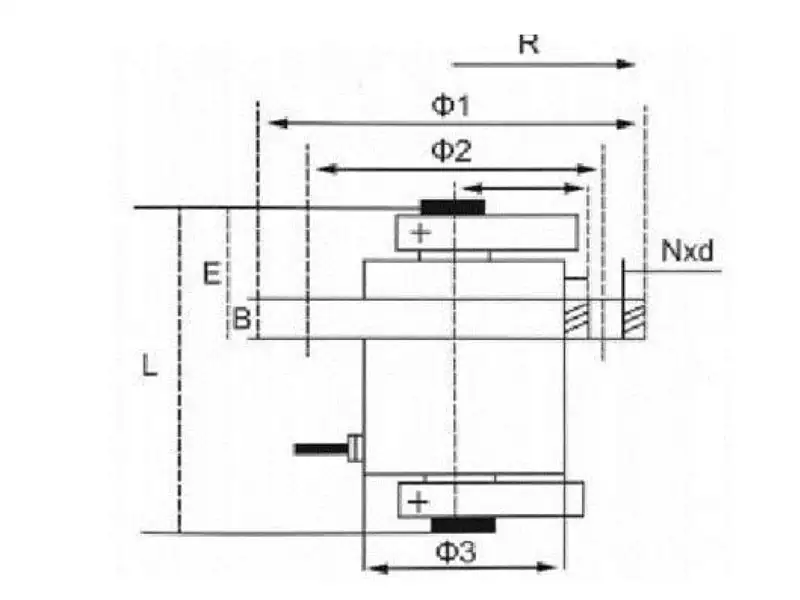
Vibrating motors are specialized devices that convert electrical energy into mechanical energy through vibrations. They are commonly used in various applications to create movement, enhance processes, or provide feedback. These motors typically consist of a rotor, stator, and an eccentric mass, which, when set into motion, produces vibrations. The principle of operation relies on the imbalance created by the eccentric mass, leading to a rotational force that results in vibration.
One of the primary uses of vibrating motors is in the manufacturing industry, where they are employed in equipment such as vibratory feeders, screens, and hoppers. These machines require consistent and controlled vibrations to move materials efficiently and separate products by size or density. By utilizing a vibrating motor, manufacturers can optimize their processes, increase productivity, and ensure the smooth flow of materials.
In the consumer electronics sector, vibrating motors are integral to the functionality of devices such as smartphones and gaming controllers. They provide tactile feedback, enhancing the user experience by signaling notifications or simulating sensations during gameplay. The small size and adaptability of vibrating motors make them an ideal choice for these applications, allowing for compact designs without sacrificing performance.
The healthcare industry also benefits from vibrating motors, particularly in medical devices such as therapeutic massagers and rehabilitation equipment. The vibrations produced by these motors can help alleviate muscle tension, improve blood circulation, and promote relaxation. As technology advances, the application of vibrating motors in healthcare continues to expand, providing innovative solutions for patient care.
When selecting a vibrating motor, it is essential to consider factors such as frequency, amplitude, and power requirements. The frequency of vibrations largely influences the motor’s performance, while the amplitude determines the intensity of the vibrations. Understanding these parameters will help in choosing the right motor for specific applications, thereby enhancing efficiency and effectiveness.
Finally, vibrating motors can be classified into several types, including AC motors, DC motors, and piezoelectric motors. Each type offers unique advantages that cater to different applications and operational needs. By understanding the distinctions between these motors, users can make informed decisions based on their requirements and constraints.
In conclusion, vibrating motors play a crucial role in various sectors, ranging from manufacturing to consumer electronics and healthcare. Their ability to transform electrical energy into mechanical vibrations makes them indispensable in modern technology. By exploring the mechanisms and applications of vibrating motors, users can harness their benefits to improve processes and enhance user experiences across multiple domains.
One of the primary uses of vibrating motors is in the manufacturing industry, where they are employed in equipment such as vibratory feeders, screens, and hoppers. These machines require consistent and controlled vibrations to move materials efficiently and separate products by size or density. By utilizing a vibrating motor, manufacturers can optimize their processes, increase productivity, and ensure the smooth flow of materials.
In the consumer electronics sector, vibrating motors are integral to the functionality of devices such as smartphones and gaming controllers. They provide tactile feedback, enhancing the user experience by signaling notifications or simulating sensations during gameplay. The small size and adaptability of vibrating motors make them an ideal choice for these applications, allowing for compact designs without sacrificing performance.
The healthcare industry also benefits from vibrating motors, particularly in medical devices such as therapeutic massagers and rehabilitation equipment. The vibrations produced by these motors can help alleviate muscle tension, improve blood circulation, and promote relaxation. As technology advances, the application of vibrating motors in healthcare continues to expand, providing innovative solutions for patient care.
When selecting a vibrating motor, it is essential to consider factors such as frequency, amplitude, and power requirements. The frequency of vibrations largely influences the motor’s performance, while the amplitude determines the intensity of the vibrations. Understanding these parameters will help in choosing the right motor for specific applications, thereby enhancing efficiency and effectiveness.
Finally, vibrating motors can be classified into several types, including AC motors, DC motors, and piezoelectric motors. Each type offers unique advantages that cater to different applications and operational needs. By understanding the distinctions between these motors, users can make informed decisions based on their requirements and constraints.
In conclusion, vibrating motors play a crucial role in various sectors, ranging from manufacturing to consumer electronics and healthcare. Their ability to transform electrical energy into mechanical vibrations makes them indispensable in modern technology. By exploring the mechanisms and applications of vibrating motors, users can harness their benefits to improve processes and enhance user experiences across multiple domains.
PREVIOUS:
