
Vibration Motors: The Unsung Heroes of Electrical Engineering
Jun 22,2026
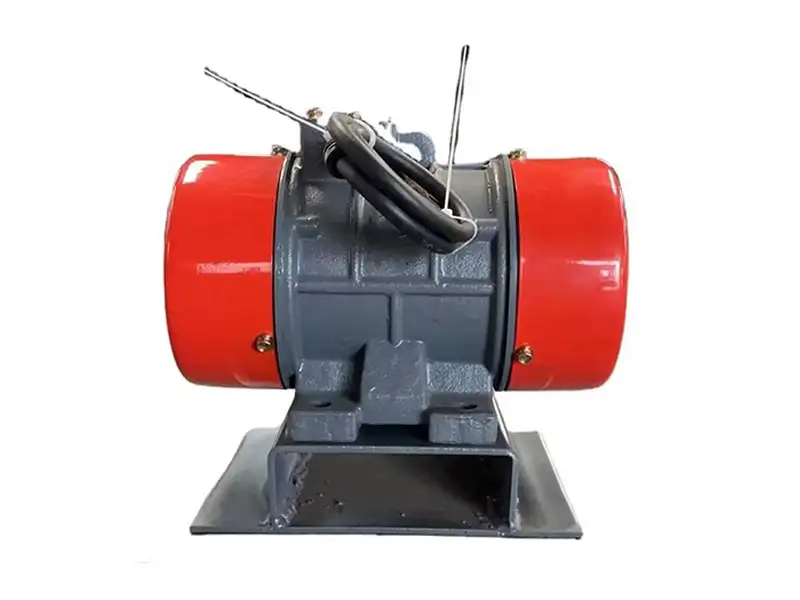
Vibration Motors: The Unsung Heroes of Electrical Engineering
Table of Contents
1. Introduction to Vibration Motors
2. What is a Vibration Motor?
3. Types of Vibration Motors
3.1. DC Vibration Motors
3.2. AC Vibration Motors
3.3. Brushless Vibration Motors
4. Working Principle of Vibration Motors
5. Applications of Vibration Motors
5.1. Industrial Applications
5.2. Consumer Electronics
5.3. Medical Devices
6. Benefits of Using Vibration Motors
7. Challenges and Considerations
8. Future Trends in Vibration Motor Technology
9. FAQs about Vibration Motors
10. Conclusion
1. Introduction to Vibration Motors
Vibration motors, while often overshadowed by more prominent electrical components, play a **critical role in a variety of applications** across numerous industries. These compact devices are engineered to produce vibrations, serving essential functions in automation, robotics, and consumer electronics. Understanding their significance helps us appreciate how these unsung heroes contribute to the seamless operation of our daily technology.
2. What is a Vibration Motor?
A vibration motor is an electromechanical device designed to create vibrations through oscillatory motion. Commonly used in mobile phones, gaming controllers, and industrial machinery, these motors convert electrical energy into mechanical motion, generating vibrations that can be felt or heard.
3. Types of Vibration Motors
Vibration motors can be categorized into several types, each tailored for specific applications. Understanding these categories is crucial for selecting the right motor for your project.
3.1. DC Vibration Motors
DC vibration motors utilize direct current to operate, providing a consistent and controllable vibration output. These motors are prevalent in small electronic devices, such as mobile phones and handheld gaming consoles, where precise control of vibration is required.
3.2. AC Vibration Motors
AC vibration motors, powered by alternating current, are typically used in larger industrial applications. They often feature robust designs capable of handling higher loads and can operate continuously without overheating, making them suitable for heavy-duty machinery.
3.3. Brushless Vibration Motors
Brushless vibration motors offer advantages like increased efficiency and longer lifespan due to the absence of brushes that wear out over time. These motors are commonly found in applications requiring high reliability and low maintenance, such as in automotive systems and advanced robotics.
4. Working Principle of Vibration Motors
The working principle of vibration motors revolves around the concept of **unbalanced rotating mass**. When the motor shaft spins, an eccentric weight attached to it creates a centrifugal force, leading to vibrations. The frequency and intensity of these vibrations can be adjusted by altering the speed of the motor, allowing for versatile applications in various fields.
5. Applications of Vibration Motors
The applications of vibration motors span across numerous industries, demonstrating their versatility and importance.
5.1. Industrial Applications
In industrial settings, vibration motors are utilized in conveyor systems, hoppers, and shakers. They facilitate material handling, ensuring consistent flow and minimizing congestion in production lines. Their robustness makes them ideal for harsh environments where reliability is paramount.
5.2. Consumer Electronics
Vibration motors are ubiquitous in consumer electronics, enhancing user experiences. They provide tactile feedback in smartphones, gaming controllers, and wearable devices, allowing users to feel notifications and alerts. This functionality is crucial in creating intuitive and engaging user interfaces.
5.3. Medical Devices
In the medical field, vibration motors are integrated into devices such as therapeutic massagers and diagnostic equipment. They aid in treatment and rehabilitation by providing gentle vibrations that can stimulate blood circulation and alleviate muscle tension.
6. Benefits of Using Vibration Motors
Vibration motors bring a multitude of benefits to various applications, including:
- **Enhanced User Experience**: Offering tactile feedback improves user interaction with devices.
- **Increased Efficiency**: In industrial settings, vibration motors optimize processes and reduce downtime.
- **Versatility**: Suitable for various applications, from consumer electronics to heavy machinery.
- **Reliability**: Many types, especially brushless motors, offer increased durability and reduced maintenance costs.
7. Challenges and Considerations
Despite their many advantages, vibration motors do come with challenges. Some common considerations include:
- **Heat Management**: High operational demands can lead to overheating, necessitating proper cooling solutions.
- **Noise Levels**: Some motors may produce unwanted noise, which can be a concern in certain applications.
- **Size and Weight Constraints**: For portable applications, the size and weight of vibration motors must be carefully considered to maintain device integrity.
8. Future Trends in Vibration Motor Technology
As technology evolves, so too does the field of vibration motors. Future trends may include:
- **Integration with Smart Technologies**: The rise of the Internet of Things (IoT) may lead to smart vibration motors that can communicate with other devices for enhanced control and efficiency.
- **Miniaturization**: Advancements in materials and design may lead to smaller, lightweight motors without compromising performance.
- **Eco-Friendly Designs**: There is a growing emphasis on sustainable manufacturing practices, leading to the development of energy-efficient motors.
9. FAQs about Vibration Motors
**Q1: What are the main uses of vibration motors?**
A1: Vibration motors are used in a variety of applications, including consumer electronics, industrial machinery, and medical devices to enhance user experience and improve operational efficiency.
**Q2: How do you select the right vibration motor for your application?**
A2: Consider factors such as power requirements, size constraints, vibration frequency, and intended use when selecting a vibration motor.
**Q3: Are vibration motors noisy?**
A3: Noise levels vary by type and application. Brushless motors tend to operate more quietly than their brushed counterparts.
**Q4: Can vibration motors be controlled?**
A4: Yes, many vibration motors can be controlled through speed and frequency adjustments to meet the specific needs of the application.
**Q5: What maintenance do vibration motors require?**
A5: Maintenance needs depend on the type of motor. Brushless motors typically require less maintenance compared to brushed motors, which may need regular inspections and brush replacements.
10. Conclusion
In conclusion, vibration motors serve as crucial components in the field of electrical engineering, often underappreciated yet vital to various applications. Their ability to deliver controlled vibrations enhances user interaction, optimizes processes in industrial settings, and contributes to advancements in medical technology. As we continue to innovate and integrate these motors into our devices, their importance will only grow, solidifying their status as the **unsung heroes of electrical engineering**. Embracing the potential of vibration motors will enable us to push the boundaries of technology and improve the efficiency and effectiveness of our systems.
PREVIOUS:
