
How Jaw Crushers Impact Aggregate Production Rates: Maximizing Efficiency and Output
Jul 16,2026
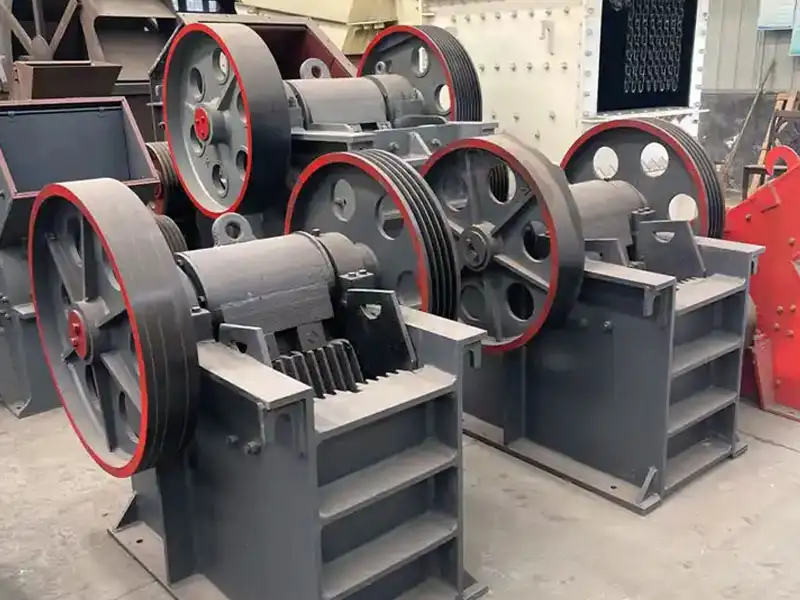
How Jaw Crushers Impact Aggregate Production Rates
Introduction to Jaw Crushers and Aggregate Production
In the realm of manufacturing and processing machinery, **jaw crushers** serve as fundamental tools in the production of aggregates. These machines are pivotal in the aggregate industry, where efficiency and output directly affect profitability. Understanding how jaw crushers function and their influence on aggregate production rates is essential for stakeholders aiming to enhance their operational capabilities.
The Essential Role of Jaw Crushers in Aggregate Production
Jaw crushers are designed to crush large rocks into smaller, more manageable pieces. They operate on the principle of compression, where material is crushed between a fixed and a moving jaw. This process not only reduces the size of the aggregate but also prepares it for subsequent processing stages, such as screening and washing. The efficiency and output of jaw crushers significantly influence the overall production rates of aggregate materials.
Key Components of Jaw Crushers
Understanding the components of jaw crushers is crucial for optimizing their performance. The main parts include:
- **Jaw Plates**: These are the surfaces that interact with the material being crushed. The design and material of jaw plates can significantly affect the crushing efficiency and longevity of the machine.
- **Toggle Mechanism**: This component transmits the force from the driving mechanism to the crushing area, ensuring effective size reduction.
- **Frame**: The frame provides structural support and stability to the jaw crusher. A well-designed frame enhances the machine's durability and efficiency.
- **Drive Motor**: The power source for the jaw crusher, which drives the crushing mechanism.
The Crushing Process Explained
The crushing process in a jaw crusher involves several stages:
1. **Material Entry**: The material enters the crushing chamber through the top opening.
2. **Compression**: The moving jaw compresses the material against the stationary jaw, leading to size reduction.
3. **Discharge**: Once the material reaches the desired size, it is discharged from the bottom of the chamber.
This continuous cycle of compression and discharge is what makes jaw crushers highly effective in aggregate production.
Factors Influencing Aggregate Production Rates
Several factors can influence the production rates of aggregates when using jaw crushers. Understanding these factors helps in optimizing performance and maximizing output.
Material Properties
The type, hardness, and moisture content of the material being crushed significantly impact production rates. Softer materials typically crush more easily, leading to higher output rates, while harder materials may require more energy and time to process.
Jaw Crusher Specifications
Different jaw crushers have varied specifications, including size, capacity, and power consumption. Selecting the right model based on production requirements can enhance efficiency.
Operational Parameters
- **Feed Size**: The size of the material entering the crusher affects the crushing efficiency. A consistent feed size can lead to optimal performance.
- **Speed and Stroke**: The operational speed and stroke length of the jaw crusher can be adjusted to optimize performance and production rates.
Optimizing Jaw Crusher Performance
To maximize aggregate production rates, several optimization strategies can be employed.
Regular Maintenance and Inspections
Routine maintenance is essential for ensuring the longevity and efficiency of jaw crushers. Regular inspections can identify wear and tear, allowing for timely repairs and replacements.
Choosing the Right Jaw Plate Material
Selecting the appropriate jaw plate material can enhance the crushing efficiency and lifespan of the jaws. Certain materials, such as high manganese steel, are known for their durability and resistance to wear.
Utilizing Technology and Automation
Integrating technology and automation into jaw crushers can significantly improve performance. Automated systems can monitor operational parameters in real-time, allowing for adjustments that enhance efficiency.
Case Studies: Successful Implementation of Jaw Crushers
Examining real-world examples can provide insights into how jaw crushers have positively impacted aggregate production rates.
Case Study 1: A Leading Aggregate Producer
One leading aggregate producer implemented a new jaw crusher model designed for high efficiency. By optimizing feed size and maintaining regular maintenance schedules, they reported a 30% increase in production rates within the first quarter.
Case Study 2: A Construction Company’s Experience
A construction company faced challenges with aggregate supply due to inefficient crushing processes. By upgrading to a more powerful jaw crusher and adjusting operational parameters, they improved their output by 25%, allowing them to meet project deadlines more effectively.
Challenges in Jaw Crusher Operation
While jaw crushers are highly efficient, they are not without challenges.
Overloading and Its Effects
Overloading a jaw crusher can lead to decreased efficiency and increased wear. It's crucial to adhere to the manufacturer's guidelines regarding maximum feed size and capacity.
Downtime Due to Repairs
Minimizing downtime is essential for maintaining production rates. Implementing a proactive maintenance schedule can help reduce unexpected breakdowns.
Future Trends in Jaw Crusher Technology
The future of jaw crushers is poised for advancements that could further enhance their efficiency and output.
Smart Technology Integration
The integration of smart technologies, such as AI and machine learning, may lead to more efficient operation and predictive maintenance, allowing for better resource management.
Environmental Considerations
As environmental regulations become more stringent, jaw crushers will need to adapt. Innovations in energy efficiency and waste reduction are likely to play a significant role in future designs.
Conclusion
Understanding how jaw crushers impact aggregate production rates is vital for industry professionals seeking to optimize their operations. By recognizing the key components, operational factors, and strategies for enhancement, stakeholders can significantly improve their production efficiency. As technology continues to evolve, the capabilities of jaw crushers will expand, providing even greater opportunities for aggregate producers to meet increasing demands while ensuring sustainability. Embracing these changes will be essential for maintaining competitive advantage in an ever-evolving industry.
Frequently Asked Questions (FAQs)
1. What is a jaw crusher, and how does it work?
A jaw crusher is a machine that reduces the size of large rocks by compressing them between two jaw plates. The moving jaw crushes the material against the stationary jaw, which reduces the material to the desired size.
2. How does the material type affect jaw crusher performance?
The type of material significantly influences the crushing efficiency of jaw crushers. Softer materials tend to crush more easily, resulting in higher production rates, while harder materials may require more energy and time to process.
3. What maintenance practices should be followed for jaw crushers?
Regular maintenance includes inspecting the jaw plates, adjusting the toggle mechanism, and ensuring the drive motor is functioning correctly. Routine checks can help identify wear and prevent unexpected breakdowns.
4. Can jaw crushers be automated?
Yes, many modern jaw crushers can be integrated with automation technology to monitor operational parameters and adjust settings in real-time, enhancing efficiency and reducing the likelihood of errors.
5. What are the benefits of upgrading to a new jaw crusher model?
Upgrading to a newer model often results in improved efficiency, higher production rates, and enhanced features such as better energy consumption and advanced automation capabilities.
PREVIOUS:
