
Integrating a Jaw Crusher into Your Production Line: Best Practices for Efficiency and Performance
Aug 28,2026
Integrating a Jaw Crusher into Your Production Line: Best Practices
Table of Contents
- Introduction to Jaw Crushers in Production Lines
- Understanding Jaw Crushers: Functionality and Types
- Benefits of Integrating a Jaw Crusher into Your Production Line
- Best Practices for Selecting the Right Jaw Crusher
- Installation Guidelines for Optimal Performance
- Maintenance Tips for Prolonging Jaw Crusher Life
- Common Challenges and How to Overcome Them
- Case Studies: Successful Integrations of Jaw Crushers
- Conclusion
- FAQs
Introduction to Jaw Crushers in Production Lines
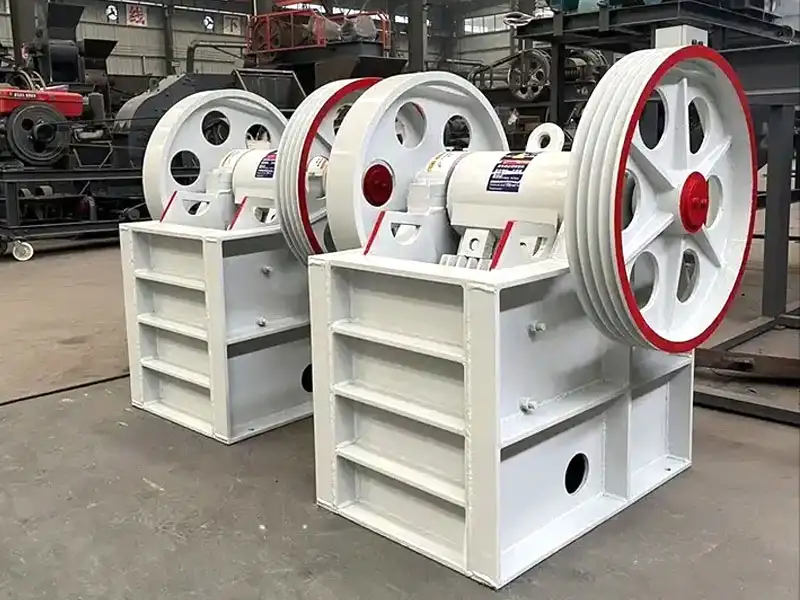
Integrating a jaw crusher into your production line can significantly enhance productivity and efficiency. The jaw crusher, a pivotal component in various industries, excels at crushing large pieces of material into smaller, manageable sizes. This process facilitates further processing or recycling, making it an essential tool in mining, quarrying, and recycling operations.
In this article, we will delve into best practices for integrating a jaw crusher into your production line, ensuring optimal performance and longevity of equipment. Understanding the fundamentals of jaw crushers and how to seamlessly incorporate them into existing systems is crucial for maximizing operational efficiency.
Understanding Jaw Crushers: Functionality and Types
Jaw crushers operate on the principle of compressive force, where material is crushed between two jaws—one stationary and one movable. The gap between the jaws determines the size of the output material. There are two primary types of jaw crushers:
1. Single Toggle Jaw Crusher
The single toggle jaw crusher features a single moving jaw that oscillates against a fixed jaw, effectively crushing material. This type is known for its simplicity and ease of use but may not be suitable for all applications due to its limited size reduction capabilities.
2. Double Toggle Jaw Crusher
Conversely, the double toggle jaw crusher employs two moving jaws that provide a more efficient crushing action, allowing for larger size reductions. This design is ideal for handling tougher materials and is often favored in heavy-duty applications.
Benefits of Integrating a Jaw Crusher into Your Production Line
Integrating a jaw crusher into your production line offers numerous advantages:
Enhanced Efficiency
A jaw crusher can significantly increase the throughput of your production line by reducing material size efficiently.
Improved Material Quality
By ensuring uniformity in material size, a jaw crusher enhances the quality of the final product, which is critical for various applications.
Cost-Effective Operations
Reducing the size of raw materials lowers transportation and processing costs, making operations more economically viable.
Versatility
Jaw crushers can handle a wide range of materials, from soft to hard rocks, making them suitable for various industries.
Best Practices for Selecting the Right Jaw Crusher
Choosing the appropriate jaw crusher is crucial for successful integration. Consider the following factors when making your selection:
1. Material Characteristics
Evaluate the type and hardness of the material you will be crushing. Understanding these characteristics helps in selecting a jaw crusher designed for those specific materials.
2. Desired Output Size
Determine the desired output size of the crushed material. Different jaw crushers offer varying capacities and size reduction ratios, so choose one that aligns with your goals.
3. Production Volume
Consider your production volume requirements. Select a jaw crusher that can meet your operational demands without compromising efficiency.
4. Space and Layout
Assess the available space in your production line. The dimensions and layout will influence your choice of jaw crusher.
Installation Guidelines for Optimal Performance
Proper installation of a jaw crusher is essential for its performance and longevity. Follow these guidelines:
1. Site Preparation
Ensure the installation site is prepared by leveling the ground and providing a stable foundation. This minimizes vibrations and enhances the crusher's stability.
2. Alignment
Carefully align the jaws of the crusher to avoid uneven wear and ensure optimal crushing performance.
3. Electrical Connections
Install the necessary electrical connections, ensuring compliance with safety standards to avoid any electrical hazards.
4. Safety Measures
Implement safety measures, including protective guards and emergency shut-off systems, to ensure a safe working environment.
Maintenance Tips for Prolonging Jaw Crusher Life
Regular maintenance is vital for extending the life of your jaw crusher. Here are essential maintenance tips:
1. Routine Inspections
Conduct routine inspections to identify wear and tear. Look for signs of cracking, excessive wear on the jaws, or misalignment.
2. Lubrication
Ensure regular lubrication of moving parts to minimize friction and wear. Follow the manufacturer’s guidelines for lubrication intervals and types.
3. Jaw Replacement
Replace jaw plates when they show significant wear. Using the proper materials for replacement jaws can improve longevity.
4. Cleanliness
Maintain cleanliness around the crusher to prevent material buildup, which can lead to operational issues.
Common Challenges and How to Overcome Them
When integrating a jaw crusher into your production line, you may encounter challenges. Here are common issues and solutions:
1. Material Blockages
Material blockages can occur, disrupting production. Implement a proper feed control system and consider installing a secondary crushing stage to manage oversized materials.
2. Vibration Issues
Excessive vibrations can affect performance. Ensure proper installation and alignment, and consider vibration damping techniques to mitigate these issues.
3. Wear Parts Management
Managing wear parts can be challenging. Keep a well-stocked inventory of replacement parts and establish a regular maintenance schedule to address wear proactively.
Case Studies: Successful Integrations of Jaw Crushers
Examining successful case studies can provide valuable insights into best practices.
1. A Mining Operation
A mining operation integrated a jaw crusher into its existing production line, resulting in a significant increase in throughput by 30%. They optimized the installation layout and maintained a rigorous maintenance schedule, ensuring the crusher operated at peak efficiency.
2. A Recycling Facility
A recycling facility successfully adopted a double toggle jaw crusher, allowing it to process a wider range of materials. This integration led to higher-quality output and increased demand for their services.
Conclusion
Integrating a jaw crusher into your production line can yield notable benefits, including enhanced efficiency, improved material quality, and cost-effective operations. By carefully selecting the right jaw crusher, adhering to installation guidelines, and implementing a robust maintenance strategy, you can ensure that your operations run smoothly and effectively. Embrace these best practices to maximize the potential of your jaw crusher and elevate your production line to new heights.
FAQs
1. What factors should I consider when selecting a jaw crusher?
Consider factors such as material characteristics, desired output size, production volume, and available space.
2. How often should I perform maintenance on my jaw crusher?
Regular inspections and maintenance should be conducted monthly, with more thorough checks every six months.
3. Can a jaw crusher handle different types of materials?
Yes, jaw crushers are versatile and can handle a range of materials, from soft to hard rocks.
4. What are common signs that my jaw crusher needs maintenance?
Signs include excessive vibrations, unusual noises, and a decrease in performance or output size.
5. How can I improve the performance of my jaw crusher?
Improving performance can be achieved through regular maintenance, proper alignment, and ensuring an optimal feeding process.
