
A Beginner’s Guide to Trommel Screens: Features and Functions
Sep 29,2026
A Beginner’s Guide to Trommel Screens: Features and Functions
Table of Contents
- 1. Introduction to Trommel Screens
- 2. How Trommel Screens Work
- 3. Key Features of Trommel Screens
- 4. Types of Trommel Screens
- 5. Applications of Trommel Screens
- 6. Benefits of Using Trommel Screens
- 7. Maintenance and Care for Trommel Screens
- 8. Frequently Asked Questions
- 9. Conclusion
1. Introduction to Trommel Screens
Trommel screens are essential machines in the manufacturing and processing industries, particularly for material separation and screening. These rotating cylindrical devices play a crucial role in various applications, ranging from waste management to mining and aggregate production. By efficiently separating materials based on size, trommel screens enhance productivity and streamline operations.
Understanding the **features** and **functions** of trommel screens is vital for industries seeking to improve their processes. In this guide, we will delve deep into the mechanics of trommel screens, highlight their key features, explore different types, and discuss their applications in various fields.
2. How Trommel Screens Work
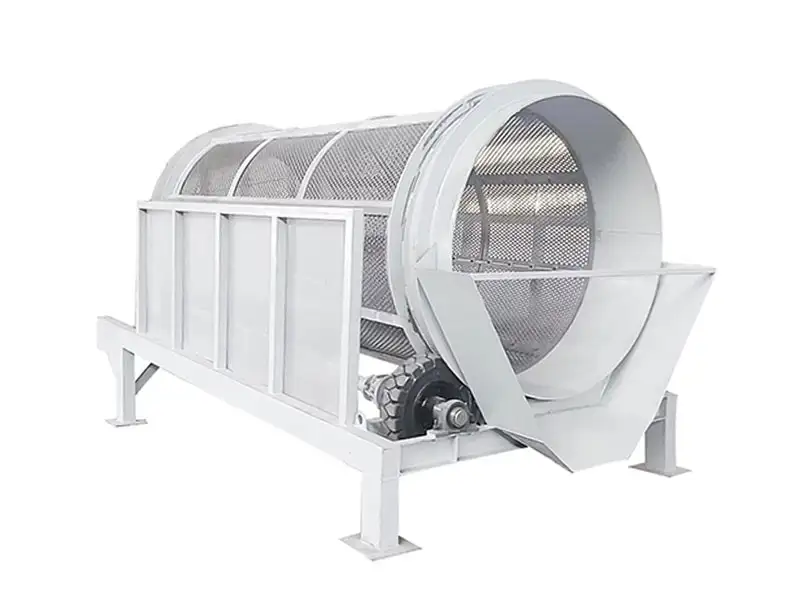
Trommel screens operate on a simple yet effective principle. The machine consists of a rotating drum, perforated with holes that allow smaller particles to pass through while larger materials are discharged from the end. As the drum rotates, materials are introduced into one end, and gravity helps to move them through the drum.
**Key components** of trommel screens include:
- **Drum**: The cylindrical structure that houses the screening surface.
- **Drive system**: Powers the rotation of the drum.
- **Screening surface**: The perforated area that determines the size of particles that can pass through.
The **screening process** is enhanced by the rotation of the drum, which causes friction and agitation among the materials. This movement ensures that smaller particles are separated efficiently, making trommel screens particularly effective for operations requiring precise material classification.
3. Key Features of Trommel Screens
Understanding the key features of trommel screens can help operators select the right equipment for their needs. Below are some of the most significant aspects to consider:
3.1 Design and Construction
Trommel screens come in various designs that cater to specific applications. Typically, they feature a robust construction designed to withstand harsh operating conditions. The choice of materials—such as steel or aluminum—affects the **durability** and **weight** of the machine. A well-designed trommel screen will have the capacity to handle different materials while ensuring minimal maintenance.
3.2 Screening Surface
The **screening surface** is a critical feature of trommel screens. Depending on the application, the perforation size can vary, allowing for the separation of specific particle sizes. Operators can customize the hole size based on the material being processed, optimizing the screening efficiency.
3.3 Adjustable Slope
Many trommel screens feature an **adjustable slope**. This flexibility allows operators to modify the angle of the drum, which influences the retention time of materials within the drum. A steeper slope can increase material movement speed, while a shallower slope may enhance sorting efficiency for finer materials.
3.4 Durability and Materials
Durability is vital in the design of trommel screens, especially in tough production environments. Quality trommel screens are built from high-grade materials that resist wear and tear, ensuring a longer lifespan. Key considerations include corrosion resistance, strength, and the ability to withstand heavy loads.
4. Types of Trommel Screens
Trommel screens can be classified into several categories based on their designs and applications. Understanding these types can facilitate the selection process for specific needs.
4.1 Portable Trommel Screens
Portable trommel screens are designed for mobility, allowing operators to transport them easily to different job sites. They are ideal for operations requiring flexibility, such as recycling and waste processing. These units often come with their own chassis and can be quickly set up and dismantled.
4.2 Static Trommel Screens
Static trommel screens, on the other hand, are fixed installations typically used in high-volume operations. They offer robust performance and are suitable for applications where the material flow is consistent and predictable, such as in mining or aggregate production.
4.3 Customized Trommel Screens
Customized trommel screens cater to specific operational requirements. Manufacturers can design these screens to fit unique processing needs, including custom hole sizes, shapes, and configurations. This adaptability makes them an excellent choice for niche industries.
5. Applications of Trommel Screens
Trommel screens find applications across various industries due to their versatility. Here are some key sectors where they are commonly used:
- **Recycling**: Trommel screens separate recyclable materials, such as metals, plastics, and glass, from mixed waste. This process enhances recycling efficiency and promotes sustainability.
- **Mining**: In mining operations, trommel screens help separate valuable minerals from waste material, improving resource recovery.
- **Construction**: They are used to screen aggregates and soil, ensuring that only desired material sizes are processed for construction projects.
- **Agriculture**: In the agriculture sector, trommel screens can assist in composting processes by separating organic materials from contaminants.
6. Benefits of Using Trommel Screens
Utilizing trommel screens offers several advantages for various industries:
- **Efficient Separation**: Trommel screens provide a high level of efficiency in particle separation, reducing contamination and improving material quality.
- **Cost-Effectiveness**: By enhancing material recovery and reducing waste, trommel screens can lead to significant cost savings over time.
- **Versatility**: Their ability to handle different materials makes trommel screens suitable for a wide range of applications, increasing operational flexibility.
- **Reduced Labor**: Automating the screening process minimizes manual labor, allowing operators to focus on other vital aspects of production.
7. Maintenance and Care for Trommel Screens
To ensure optimal performance and longevity of trommel screens, proper maintenance is essential. Some key maintenance tips include:
- **Regular Inspections**: Frequently check for wear and tear on the drum and screening surfaces to prevent unexpected breakdowns.
- **Lubrication**: Ensure that all moving parts are adequately lubricated to minimize friction and enhance performance.
- **Cleaning**: Regularly clean the trommel screen to prevent material buildup, which can affect the screening efficiency.
- **Replacement of Parts**: Replace worn components immediately to avoid operational downtime and maintain efficiency.
8. Frequently Asked Questions
What is the average lifespan of a trommel screen?
The lifespan of a trommel screen can vary based on usage and maintenance. Typically, a well-maintained trommel screen can last anywhere from 5 to 15 years.
How do I choose the right size trommel screen for my application?
Choosing the right size depends on your material processing needs. Consider factors such as the volume of material, the desired separation size, and available space.
Can trommel screens handle wet materials?
Yes, trommel screens are designed to handle both dry and wet materials. However, operators should consider the potential for clogging when processing wet materials.
Are trommel screens environmentally friendly?
Trommel screens contribute to environmental sustainability by improving recycling processes and reducing waste, making them an eco-friendly choice for many industries.
What is the cost range for purchasing a trommel screen?
The cost of trommel screens can vary widely based on size, features, and manufacturer. Generally, prices can range from a few thousand to over a hundred thousand dollars.
9. Conclusion
Trommel screens are indispensable tools in various industries for material separation and screening processes. Their unique design, versatility, and efficiency make them a favorable choice for businesses seeking to enhance productivity and streamline operations. Understanding the features, types, applications, and maintenance of trommel screens empowers operators to make informed decisions that maximize their investment and improve overall performance. By harnessing the power of trommel screens, industries can navigate the challenges of material processing with confidence and efficiency.
