The Pitfalls of Lowest-Bid Tendering for Vibrating Equipment: Value-Based Comprehensive Evaluation Is the Smart Choice for Mining & Aggregate Procurement
Oct 11,2026

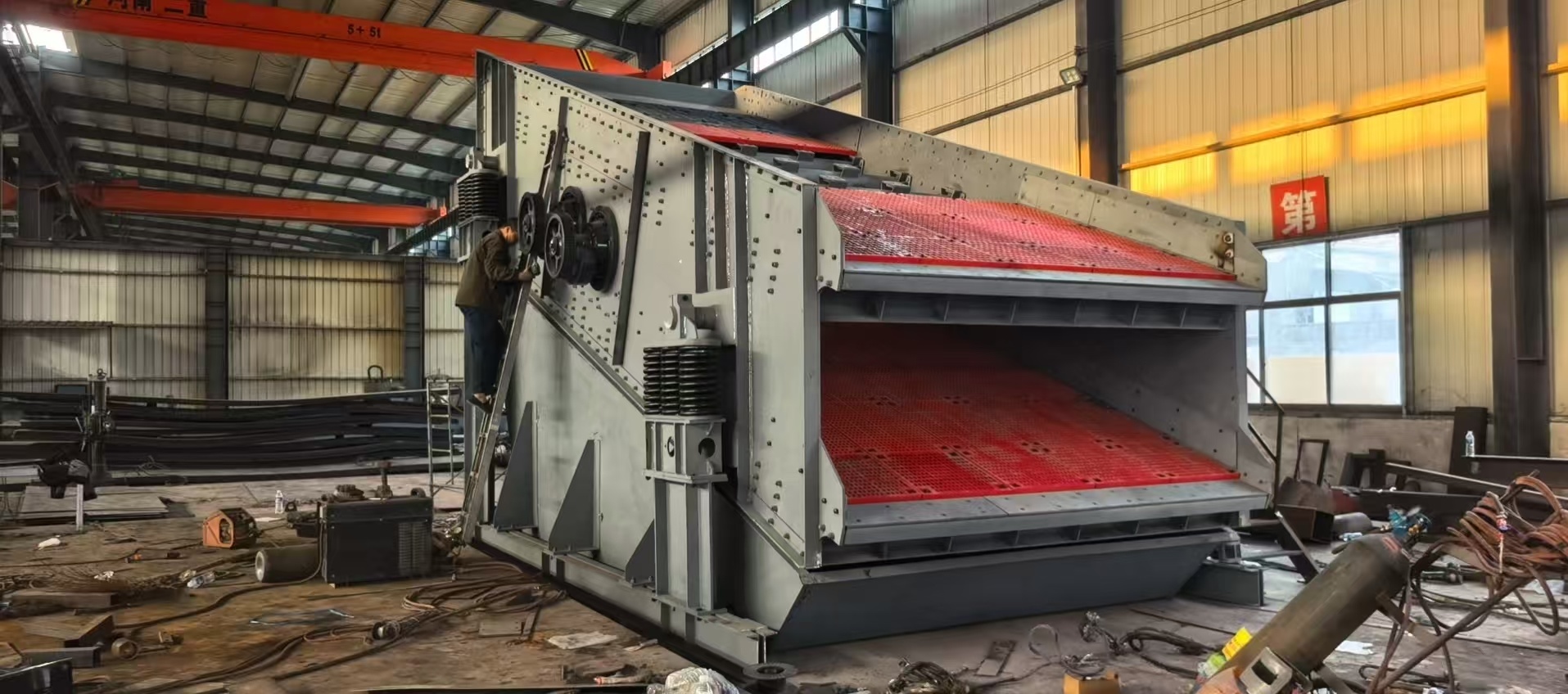
In procurement for sectors such as mining, aggregates, construction materials, and environmental protection, many buyers still habitually rely on the "lowest-bidder-wins" model. On the surface, this approach appears to cut procurement budgets, streamline the tendering process, and accelerate project implementation. However, experienced industry buyers know from firsthand experience that for heavy-duty equipment like vibrating screens, blindly prioritizing low prices often proves counterproductive. While a low winning bid saves on the initial purchase cost, it can compromise production line capacity, delay project schedules, and create safety hazards; furthermore, it drives up long-term operation and maintenance costs, ultimately eroding the enterprise's production profits.
I. Low-Bid Wins Often Lead to Downgraded Specifications and Components
Vibrating screens are heavy-duty machines designed for continuous, 24-hour high-load operation, placing rigorous demands on material wear resistance and structural load-bearing capacity. To maintain profit margins, low-cost manufacturers often cut corners on raw materials and processing techniques:
- Reducing steel plate thickness or even using second-hand steel instead of national-standard plate, making the equipment frame prone to deformation and cracking;
- Skimping on screen mesh and wear parts, reducing component service life by over 60%;
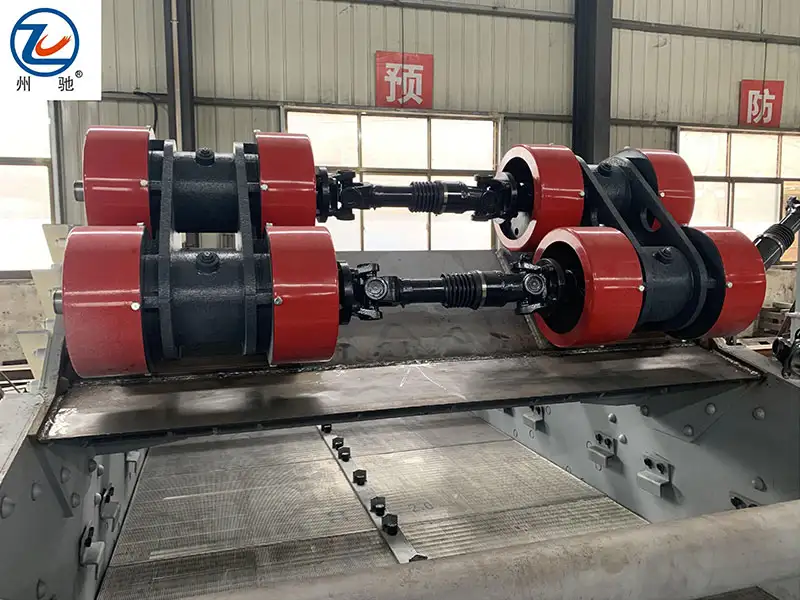
- Using off-brand or refurbished vibrating motors and inferior bearings, exponentially increasing the likelihood of equipment failure;
- Omitting critical processes such as sandblasting, anti-corrosion treatment, and stress relief, making the equipment susceptible to rust and weld cracking;
- Inflating technical specifications, resulting in actual throughput, screening precision, and excitation force that fall short of contractual standards.
Such low-cost equipment is essentially "running with defects" from the moment it leaves the factory.
II. Focus on Total Lifecycle Cost, Not Just the Initial Purchase Price
When purchasing industrial equipment, the core metric to consider is not the transaction price, but the total lifecycle cost. Winning a bid with a low price often conceals significant hidden costs: wear parts require frequent replacement and consumables demand continuous investment; motors and bearings frequently burn out, making downtime for repairs the norm; production lines fail to reach design capacity, limiting efficiency; and repeated shutdowns for maintenance lead to ongoing losses in labor, energy, and management costs.
The financial loss incurred from just one hour of production line downtime often far exceeds the initial price difference of the equipment. As the saying goes: "High-priced equipment is expensive only at the time of purchase, whereas low-priced equipment causes losses all year round."

III. Substandard equipment easily delays the overall project schedule
Many suppliers who win bids with low prices operate as small-scale workshops with limited production capacity, making delivery delays likely. Furthermore, the lack of standardized factory testing and commissioning procedures often results in equipment failing to meet specifications upon arrival. Output and screening precision may fall short of design requirements, necessitating repeated adjustments and troubleshooting. Situations arise where infrastructure is complete and personnel are in place, yet production cannot begin due to substandard equipment; this delays project acceptance and results in massive economic losses.
IV. Substandard vibrating equipment poses dual risks regarding safety and environmental compliance
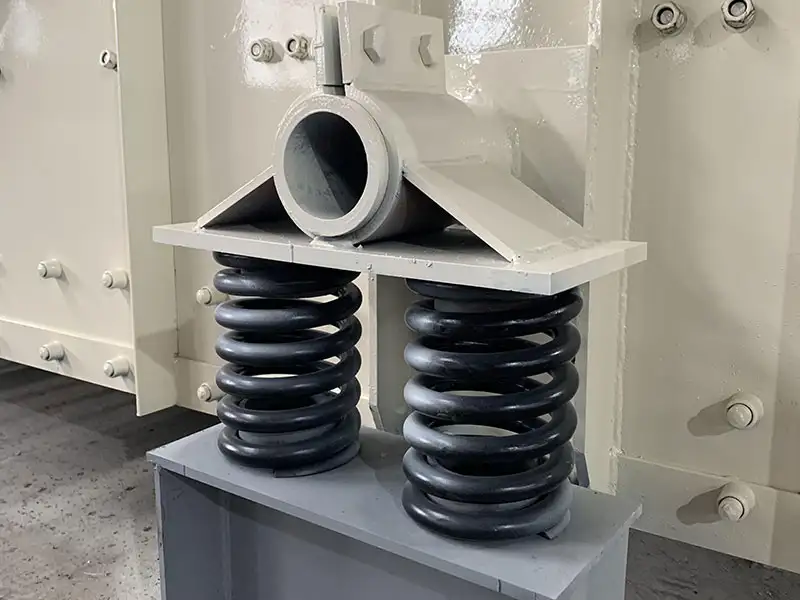
Vibrating equipment operates under heavy-duty conditions, and substandard products present significant hazards: frames crack, springs snap, and welds fail, creating risks of mechanical injury; poor sealing leads to dust leakage, causing environmental non-compliance that can result in fines or even forced shutdowns for rectification; and abnormal vibration or excessive noise prevents the equipment from meeting safety standards. Blindly driving down procurement costs essentially means gambling with operational safety.

V. Low-priced orders often lack adequate after-sales support, making it difficult to seek recourse later
Low-priced orders offer razor-thin profit margins, leaving suppliers with virtually no budget for after-sales service. Most lack dedicated support teams, leading to slow responses and buck-passing; warranty terms are often vague, with extra charges applied for repairs following equipment failure; and many small, low-cost manufacturers have weak resilience—if they go out of business due to operational difficulties, the buyer is left without spare parts or maintenance services, placing them in a disadvantageous position when trying to protect their interests. VI. The "Lowest-Bid-Wins" Approach Disrupts the Industry's Healthy Ecosystem
Persistently awarding contracts based solely on the lowest price creates a vicious cycle within the industry. High-quality manufacturers—who adhere to national material standards, employ standardized production processes, and provide comprehensive after-sales support—face higher costs and lose bids, forcing them out of the low-end market. Meanwhile, substandard small factories continue to dominate, causing an overall decline in product quality and making it increasingly difficult for purchasing clients to select reliable equipment. Ultimately, this leads to a scenario where quality enterprises are sidelined and the market is flooded with inferior equipment, harming the interests of both suppliers and buyers.
VII. A New Industry Direction: Comprehensive Scoring and Value-Based Procurement
Mature industrial and mining enterprises are gradually moving away from the "lowest-price-only" mentality and adopting a **comprehensive scoring system** for bid evaluation. Recommended weighting criteria include:
- Product craftsmanship and material standards: 40%
- Technical solutions and suitability for operating conditions: 25%
- Warranty period and after-sales service system: 20%
- Corporate qualifications and past project track record: 10%
- Reasonableness of the price quote: Only 5%
Superior equipment is defined by its comprehensive value, not merely its price. There is a consensus in the vibration equipment industry: "Cheap equipment offers peace of mind only at the moment of purchase, whereas high-quality equipment ensures stability and reliability every day it is in use."
Xinxiang Zhouchi Machinery Equipment Co., Ltd. calls on the industry to reject destructive price wars and curb the phenomenon of "bad money driving out good." For industrial and mining projects, prioritizing equipment suppliers that offer compliant materials, reliable craftsmanship, stable production capacity, and robust after-sales support is the optimal strategy for clients to reduce total costs, mitigate risks, and ensure safe production.
Industry associations for vibration equipment are also actively promoting a new culture of fair procurement and quality-first standards. They guide enterprises in sectors such as mining, aggregates, and environmental protection to make scientifically sound equipment choices, avoid procurement pitfalls, reduce long-term O&M costs, and fortify safety standards.
PREVIOUS:
