
Understanding the Mechanics Behind Jaw Crusher Functionality: A Comprehensive Guide
Sep 21,2025
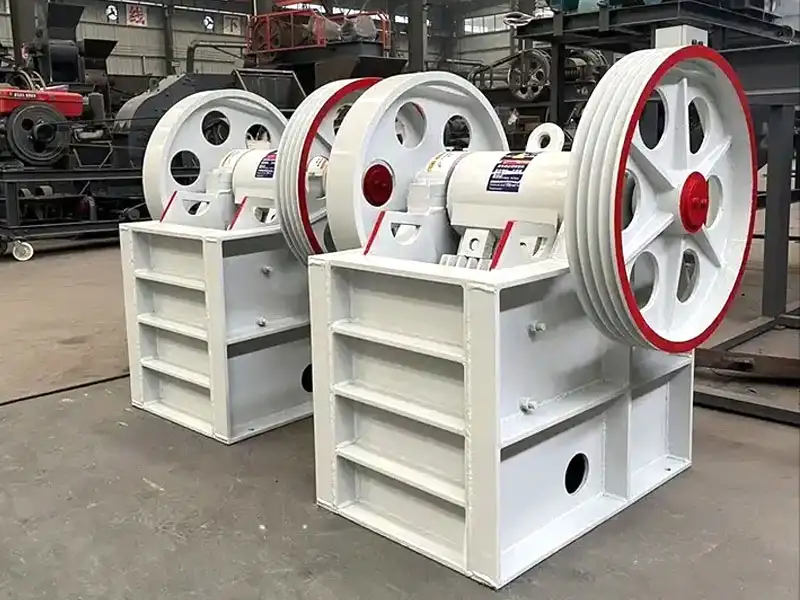
Understanding the Mechanics Behind Jaw Crusher Functionality
Table of Contents
- 1. Introduction to Jaw Crushers
- 2. What is a Jaw Crusher?
- 3. The Mechanical Design of Jaw Crushers
- 4. How Jaw Crushers Work: The Mechanics Behind Their Functionality
- 5. Advantages of Using Jaw Crushers in Manufacturing
- 6. Applications of Jaw Crushers Across Industries
- 7. Maintenance and Care for Optimal Performance
- 8. The Future of Jaw Crushers in the Manufacturing Sector
- 9. Frequently Asked Questions (FAQs)
- 10. Conclusion
1. Introduction to Jaw Crushers
Jaw crushers have become indispensable tools in the **manufacturing and processing industry**. Their ability to crush large stones into smaller, manageable pieces makes them essential in various applications, including mining, construction, and recycling. Understanding the mechanics behind these machines not only helps in their effective use but also plays a crucial role in enhancing operational efficiency.
2. What is a Jaw Crusher?
A jaw crusher is a type of **crushing equipment** designed to break down hard materials into smaller particles. It comprises two jaws, one stationary and one movable, forming a V shape. The material is fed into the top of the jaws, where the **crushing process** occurs as the movable jaw exerts pressure against the material, breaking it into smaller fragments.
The Role of Jaw Crushers in the Manufacturing Process
Jaw crushers are pivotal in the manufacturing process due to their ability to handle various materials, including ores, rocks, and recyclables. They provide a reliable means of size reduction, which is essential for the subsequent processes like screening and blending.
3. The Mechanical Design of Jaw Crushers
The mechanical construction of a jaw crusher plays a significant role in its performance. Key components include:
The Frame
The frame of a jaw crusher serves as its backbone, providing support and stability during the crushing process. It is usually made of steel to withstand the high forces exerted during operation.
The Jaws
Comprising the stationary jaw and the movable jaw, these components are crucial for the **crushing action**. The design of the jaws can vary, often featuring teeth or ridges to enhance the gripping and crushing ability.
The Toggle Mechanism
The toggle mechanism is vital for converting the vertical motion of the movable jaw into a horizontal motion. This mechanism ensures that the jaws move effectively to crush the material.
The Drive Motor
The drive motor powers the jaw crusher, allowing it to operate efficiently. Depending on the size and model, different types of motors may be used, ranging from electric to hydraulic.
4. How Jaw Crushers Work: The Mechanics Behind Their Functionality
The operation of a jaw crusher is a **mechanical marvel**. The process begins when materials are fed into the crushing chamber through the feed opening. As the movable jaw moves back and forth, the material is crushed between the two jaws.
The Crushing Cycle
Each cycle of the jaw crusher can be divided into two main phases: compression and release. During the compression phase, the movable jaw approaches the stationary jaw, crushing the material. In the release phase, the movable jaw moves away, allowing crushed material to exit the crushing chamber.
Factors Influencing Efficiency
Several factors influence the efficiency of jaw crushers, including the size of the feed material, the speed of the jaw movement, and the design of the jaws. Proper adjustment of these elements can significantly enhance the crusher’s performance.
5. Advantages of Using Jaw Crushers in Manufacturing
Jaw crushers offer numerous advantages that make them a preferred choice in various applications:
Versatility
Jaw crushers can handle a wide range of materials, from soft to hard, making them versatile tools in the manufacturing sector.
Low Operational Costs
These machines are known for their low operational and maintenance costs, making them economical choices for manufacturers.
High Reduction Ratio
Jaw crushers provide a high reduction ratio, meaning they can significantly reduce material size in a single pass.
Simple Maintenance
With fewer moving parts, jaw crushers require less maintenance than other types of crushers, minimizing downtime and boosting productivity.
6. Applications of Jaw Crushers Across Industries
Jaw crushers find applications across various industries, showcasing their versatility:
Mining Industry
In the mining sector, jaw crushers are used to crush ore, facilitating the extraction of valuable minerals.
Construction and Demolition
Construction companies frequently utilize jaw crushers to recycle materials from demolished structures, promoting sustainability.
Aggregates Production
Jaw crushers are essential in producing aggregates for concrete and asphalt, contributing to infrastructure development.
Environmental Applications
Environmental agencies utilize jaw crushers for processing waste materials, aligning with recycling efforts and reducing landfill usage.
7. Maintenance and Care for Optimal Performance
To ensure optimal performance and longevity of jaw crushers, regular maintenance is essential. Key maintenance practices include:
Regular Inspections
Conducting routine inspections can help identify wear and potential issues before they escalate, ensuring smooth operation.
Lubrication
Proper lubrication of moving parts minimizes friction and wear, significantly extending the life of the machine.
Jaw Adjustment
Regularly checking and adjusting the spacing between the jaws is crucial for maintaining efficiency and product size.
Replacement of Worn Parts
Promptly replacing worn-out components, such as jaws and toggle plates, helps maintain optimal crushing performance.
8. The Future of Jaw Crushers in the Manufacturing Sector
As technology continues to evolve, the future of jaw crushers looks promising. Innovations in materials and design are expected to enhance their efficiency and reduce environmental impact. Moreover, the integration of smart technology and automation will likely drive the next wave of advancements in jaw crusher functionality, making them even more valuable in manufacturing processes.
9. Frequently Asked Questions (FAQs)
What is the average lifespan of a jaw crusher?
The lifespan of a jaw crusher can vary significantly based on usage, maintenance, and operating conditions. Typically, a well-maintained jaw crusher can last from 15 to 25 years.
How do I choose the right jaw crusher for my needs?
Selecting the right jaw crusher involves considering factors such as material type, size, desired output, and specific application requirements. Consulting with manufacturers or experts can provide valuable insights.
Can jaw crushers process wet materials?
While jaw crushers are primarily designed for dry materials, they can handle wet or sticky materials if equipped with the appropriate modifications or features.
What are common issues faced with jaw crushers?
Common issues include excessive wear of jaws, improper alignment, and motor malfunctions. Regular maintenance and inspections can mitigate these problems.
Are jaw crushers energy-efficient?
Yes, jaw crushers are considered energy-efficient compared to other types of crushers, especially when properly maintained and operated within their designed parameters.
10. Conclusion
In conclusion, understanding the mechanics behind jaw crusher functionality is crucial for anyone involved in the manufacturing and processing industries. These powerful machines play a vital role in size reduction, ensuring that materials are suitable for various applications. By recognizing their design, operation, and maintenance needs, we can harness their full potential and improve operational efficiency. As technology continues to advance, the future of jaw crushers will likely encompass even greater improvements in performance, sustainability, and automation.
