
Understanding Jaw Crushers: Essential Insights for Effective Material Processing
Sep 22,2025
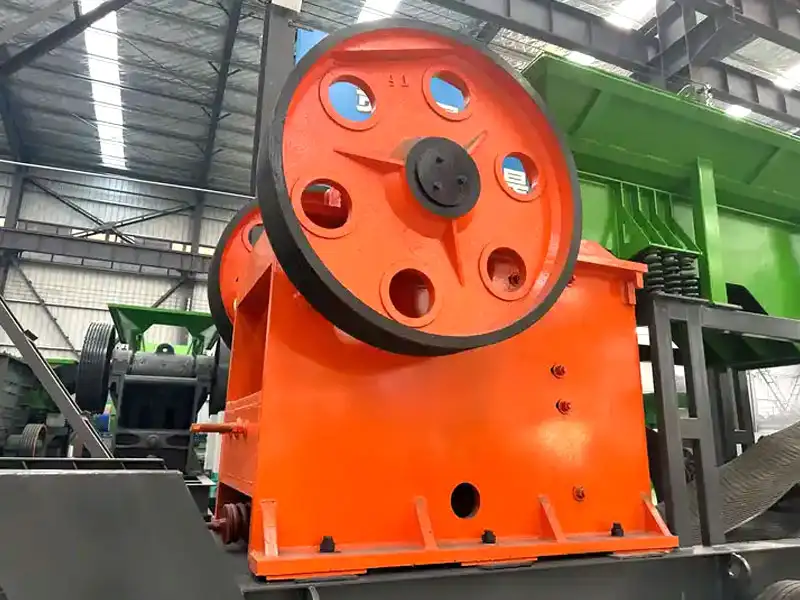
Jaw crushers are a critical component in the manufacturing and processing machinery industry, particularly in the domain of crushing and sorting equipment. They are designed to break down large rocks and ore into smaller, more manageable pieces, making them essential for various applications in construction, mining, and recycling.
The jaw crusher operates on a simple principle: it utilizes a pair of opposing jaws to crush material. The stationary jaw is fixed, while the movable jaw exerts force on the material, breaking it apart as it moves downward. This motion allows for the effective crushing of a variety of materials, including granite, limestone, and even concrete. The versatility of jaw crushers makes them suitable for both primary and secondary crushing processes.
One of the key advantages of jaw crushers is their ability to handle a wide range of materials with varying hardness levels. This adaptability is crucial for operations that require efficient processing of different types of aggregates. Additionally, jaw crushers are known for their durability and reliability, often featuring robust construction that can withstand heavy use in challenging environments.
In terms of maintenance, jaw crushers are relatively easy to service. Regular inspection of the wear parts, such as the jaws and liners, is vital to ensure optimal performance. Wearing parts should be replaced as needed to avoid excessive wear and potential damage to the machine. Proper lubrication and cleaning of the components will also enhance the longevity and efficiency of the equipment.
When selecting a jaw crusher for your operations, consider factors such as the size of the feed material, desired output size, and your specific application needs. The throughput capacity of a jaw crusher can vary significantly based on its design and size, making it essential to choose a model that aligns with your operational requirements.
In summary, jaw crushers are indispensable in the crushing process within the manufacturing and processing machinery industry. Their ability to efficiently break down materials, along with ease of maintenance and versatility, make them a preferred choice for many operators. Understanding the operational principles and maintenance practices associated with jaw crushers can lead to improved productivity and reduced downtime in your operations. By leveraging the capabilities of jaw crushers, businesses can enhance their material processing efficiency and ultimately achieve better results in their projects.
