
Vertical Crushers: A Comprehensive Guide to Their Applications
Sep 23,2025
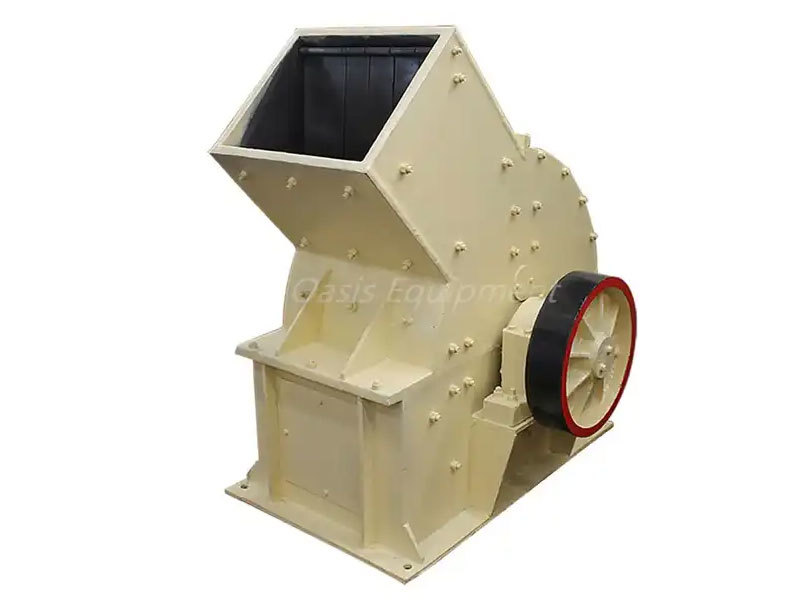
Vertical Crushers: A Comprehensive Guide to Their Applications
Table of Contents
- 1. Introduction to Vertical Crushers
- 2. How Vertical Crushers Work
- 3. Applications of Vertical Crushers
- 4. Advantages of Using Vertical Crushers
- 5. Types of Vertical Crushers
- 6. Choosing the Right Vertical Crusher for Your Needs
- 7. Maintenance Tips for Vertical Crushers
- 8. Frequently Asked Questions (FAQs)
- 9. Conclusion
1. Introduction to Vertical Crushers
Vertical crushers play a pivotal role in the manufacturing and processing industry. These machines are specifically designed to break down materials into smaller, manageable sizes, ensuring efficient material handling and processing. Whether you are in the mining, recycling, or construction sector, understanding the functionality and applications of vertical crushers can significantly enhance your operational effectiveness.
2. How Vertical Crushers Work
At their core, vertical crushers utilize a unique mechanism to crush materials. The design typically features a vertical shaft equipped with various crushing tools, including hammers, impactors, or blades.
The Crushing Process
The material enters the crusher's chamber from the top, where it is subjected to intense mechanical forces. As the shaft spins at high speeds, the material is thrown against the impact plates or walls of the chamber. This impact breaks the material down into smaller particles, which then exit the machine through screens or discharge openings.
Crushing Mechanism Variations
Different vertical crushers may employ various crushing mechanisms. For example, some utilize a hammer mill approach, while others might incorporate a more complex rotor design. Understanding these differences is crucial for selecting the right equipment for specific applications.
3. Applications of Vertical Crushers
Vertical crushers are versatile machines widely used across several industries. Here are some of the most common applications:
Mining and Aggregates
In the mining sector, vertical crushers are often used to process ore and aggregate materials. Their ability to handle tough materials makes them invaluable in extracting valuable minerals and preparing them for further processing.
Construction and Demolition
Vertical crushers are essential in the construction industry, especially for recycling concrete and asphalt. By breaking down these materials, they facilitate reuse, promoting sustainability in construction projects.
Waste Management and Recycling
Vertical crushers play a critical role in the waste management sector. They efficiently crush various types of waste materials, making it easier to transport and recycle them. This process significantly reduces landfill waste and promotes a circular economy.
Manufacturing
In manufacturing, vertical crushers are employed to prepare raw materials for production. By crushing and sizing materials, they ensure that manufacturers have the right particle size for their processes, enhancing product quality and consistency.
4. Advantages of Using Vertical Crushers
The adoption of vertical crushers in various industries comes with numerous advantages:
Energy Efficiency
Vertical crushers are designed to consume less energy compared to traditional horizontal crushers. Their efficient design allows for reduced operational costs and a smaller carbon footprint.
Space-Saving Design
The vertical configuration of these crushers saves valuable floor space, making them an ideal choice for facilities with limited space. This design enables better workflow and efficient layout planning.
High Throughput Rates
Vertical crushers are known for their ability to process large volumes of material quickly. Their high throughput rates increase productivity and ensure timely project completion.
Versatility
These machines can handle a wide range of materials, from soft to hard substances. This versatility makes them suitable for various applications, reducing the need for multiple types of equipment.
5. Types of Vertical Crushers
Understanding the different types of vertical crushers available can help you choose the right machine for your needs. Here are some common types:
Vertical Shaft Impactors (VSIs)
VSI crushers are known for their ability to produce high-quality cubical aggregates. They work by utilizing high-speed rotors and anvils to crush materials, making them ideal for producing sand and gravel.
Vertical Roller Mills (VRMs)
VRMs are primarily used in the cement industry. They grind raw materials to a fine powder for cement production, offering a highly efficient crushing process with minimal energy consumption.
Vertical Hammer Crushers
These crushers use a series of hammers to crush materials, making them suitable for a variety of applications, including mining and recycling.
6. Choosing the Right Vertical Crusher for Your Needs
Selecting the appropriate vertical crusher involves several factors:
Material Characteristics
Consider the type, size, and hardness of the material you intend to crush. Different crushers are optimized for specific material types.
Desired Output Size
Define the particle size you require for your applications. This will help you narrow down your options based on the crusher's capabilities.
Capacity Requirements
Evaluate your production needs. Higher capacity requirements may necessitate the selection of more robust models that can handle larger volumes.
Operational Cost
Assess the total cost of ownership, including initial investment, maintenance, and energy consumption. Balance these factors against your budget and operational needs.
7. Maintenance Tips for Vertical Crushers
To ensure optimal performance and longevity of your vertical crusher, regular maintenance is crucial. Here are some practical tips:
Regular Inspections
Conduct frequent inspections to identify any wear and tear on components. This proactive approach helps prevent unexpected breakdowns.
Lubrication
Proper lubrication of moving parts is essential. Ensure that bearings, shafts, and other critical components are adequately lubricated to minimize friction and wear.
Keep the Area Clean
A clean work environment ensures that debris does not enter the crusher, which can cause damage. Regularly clean the surrounding area to maintain optimal performance.
Monitor Performance
Keep track of the crusher's performance metrics. Any significant changes may indicate underlying issues that require immediate attention.
8. Frequently Asked Questions (FAQs)
What materials can be processed using vertical crushers?
Vertical crushers can process a wide range of materials, including aggregates, concrete, asphalt, and various ores.
Are vertical crushers energy-efficient?
Yes, vertical crushers are designed for energy efficiency, consuming less power compared to traditional horizontal crushers.
How do I maintain my vertical crusher?
Regular inspections, lubrication of moving parts, and keeping the area clean are essential for maintaining your vertical crusher.
What industries utilize vertical crushers?
Vertical crushers are used in mining, construction, waste management, and manufacturing industries.
Can vertical crushers handle hard materials?
Yes, vertical crushers are versatile machines capable of handling materials of varying hardness, making them suitable for different applications.
9. Conclusion
Vertical crushers are indispensable machines in the manufacturing and processing sectors, offering high efficiency, versatility, and space-saving designs. By understanding their functionality and applications, businesses can make informed decisions that enhance operational efficiency and reduce costs. Whether in mining, construction, or waste management, vertical crushers provide a robust solution for material processing needs. Regular maintenance and the right selection of equipment ensure that these machines perform at their best, contributing significantly to a company's success.
