
Understanding Electromagnetic Vibrating Feeders: A Key Component in Industrial Equipment
Oct 04,2025
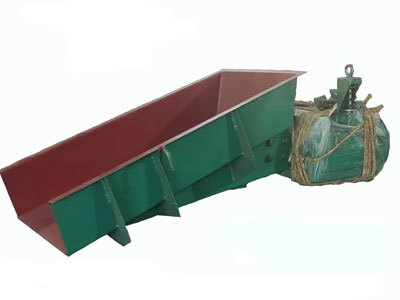
Electromagnetic vibrating feeders are vital components in various industrial processes, specifically within the realm of material handling and feeding systems. These devices utilize electromagnetic forces to create vibrations that facilitate the movement of materials along a designated path. Understanding how they operate and their advantages can help industries optimize their production efficiency and reduce operational costs.
At the heart of an electromagnetic vibrating feeder is an electromagnetic coil that generates an alternating magnetic field when energized. This magnetic field interacts with a spring-mounted tray or a trough, causing it to vibrate. The frequency and amplitude of these vibrations can be adjusted, allowing for precise control over the flow rate of materials being conveyed. This feature is particularly useful in applications where the careful handling of bulk materials is essential.
One of the primary benefits of electromagnetic vibrating feeders is their ability to handle a wide variety of materials, including granules, powders, and even heavy bulk materials. Their design allows them to efficiently transport materials over both short and long distances, making them versatile for different industrial applications. Moreover, they can be used in conjunction with other equipment, such as hoppers, mixers, and crushers, to create a seamless production line.
In addition to their versatility, electromagnetic vibrating feeders are known for their energy efficiency. Since they only draw power when actively feeding material, they can contribute to lower energy consumption compared to traditional mechanical feeders. This efficiency not only reduces operational costs but also minimizes the environmental footprint of the production process.
Another advantage is their minimal maintenance requirements. Electromagnetic feeders typically have fewer moving parts compared to mechanical alternatives, leading to less wear and tear. This characteristic results in longer service life and reduced downtime for maintenance, thus enhancing overall productivity.
Electromagnetic vibrating feeders also offer precise control over material flow, which is crucial in situations where accurate dosing is necessary. This precision can significantly improve the consistency of product quality, especially in industries like pharmaceuticals, food processing, and chemicals, where even minor variations can lead to substantial quality control issues.
In conclusion, electromagnetic vibrating feeders stand out as a reliable choice in the industrial sector for handling materials effectively and efficiently. Their ability to deliver controlled feeding with minimal energy use and maintenance requirements makes them an attractive solution for businesses seeking to enhance their operational capabilities. Understanding their functionality can empower industries to make informed decisions about their material handling processes, ensuring smoother operations and improved productivity.
