
Unlocking Efficiency: How Vibrating Screens Enhance Material Processing
Oct 05,2025
Unlocking Efficiency: How Vibrating Screens Enhance Material Processing
Table of Contents
- 1. Introduction to Vibrating Screens and Their Importance
- 2. Mechanism of Vibrating Screens: How They Work
- 3. Key Benefits of Vibrating Screens in Material Processing
- 4. Applications of Vibrating Screens Across Industries
- 5. Different Types of Vibrating Screens and Their Uses
- 6. Maintenance Tips for Optimal Performance of Vibrating Screens
- 7. The Future of Vibrating Screens in Material Processing
- 8. Frequently Asked Questions (FAQs)
- 9. Conclusion: The Impact of Vibrating Screens on Efficiency
1. Introduction to Vibrating Screens and Their Importance
In the realm of **material processing**, vibrating screens play a pivotal role in segregating and classifying different materials efficiently. They are essential components in various industries, including mining, construction, recycling, and agriculture. Their primary function is to separate materials based on size, ensuring that products meet specific standards for quality and performance.
Understanding the intricacies of vibrating screens is crucial for professionals seeking to enhance efficiency in their operations. This article aims to explore the mechanics, benefits, and applications of vibrating screens, providing valuable insights for industry practitioners.
2. Mechanism of Vibrating Screens: How They Work
Vibrating screens utilize a combination of vibration and gravity to separate materials. The core mechanism involves a screen surface that vibrates at high frequencies, causing particles to move across the screen and segregate based on size and weight.
The Key Components of Vibrating Screens
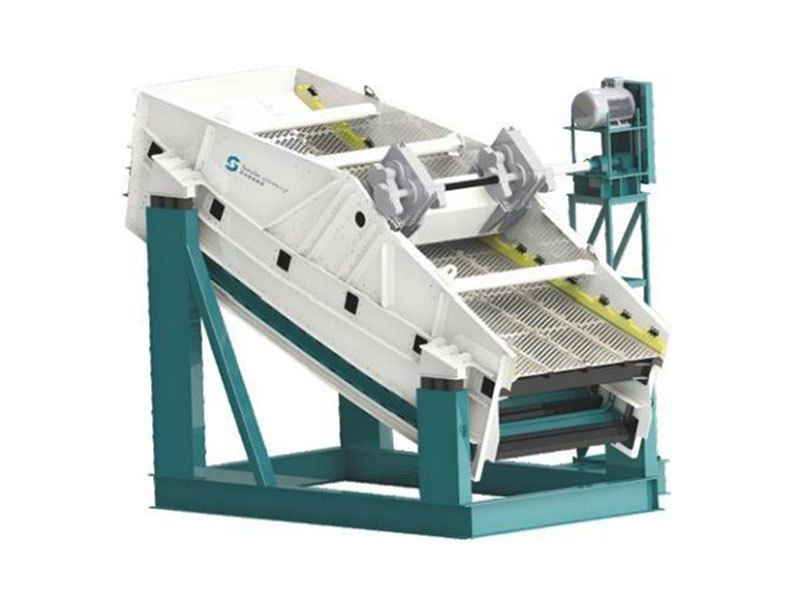
Vibrating screens consist of several essential components, including:
- **Screen Deck**: The surface on which materials are fed and separated.
- **Vibration Mechanism**: Typically involves electric motors or exciters that generate the necessary vibrations.
- **Support Structure**: Ensures stability and facilitates the transfer of vibrations to the screen.
How Vibration Affects Material Movement
The vibration frequency and amplitude can be adjusted to optimize the separation process. Higher frequencies result in finer separations, while lower frequencies are more effective for handling larger materials. This versatility allows operators to customize their vibrating screens to meet specific processing needs.
3. Key Benefits of Vibrating Screens in Material Processing
Vibrating screens offer numerous advantages that enhance operational efficiency:
Improved Material Separation
By effectively classifying materials, vibrating screens ensure that only particles of the desired size proceed further in the processing chain, reducing waste and improving product quality.
Increased Processing Speed
The high-frequency vibrations allow for rapid material movement across the screen, significantly increasing throughput and reducing processing time.
Energy Efficiency
Modern vibrating screens are designed to consume less energy, thus lowering operational costs. Their efficient design ensures that maximum output is achieved with minimal input.
Versatility and Adaptability
Vibrating screens can be adapted for various applications, ranging from the separation of fine powders to the classification of large aggregates. This flexibility makes them invaluable across multiple industries.
4. Applications of Vibrating Screens Across Industries
Vibrating screens find applications in a myriad of industries, showcasing their versatility:
Mining and Quarrying
In mining operations, vibrating screens are essential for classifying ore and ensuring that valuable minerals are separated from waste rock.
Construction and Demolition
In the construction industry, vibrating screens are used to recycle materials, such as concrete and asphalt, ensuring that they meet specifications for reuse.
Food and Beverage
Vibrating screens play a crucial role in the food industry, where they are used to separate contaminants and ensure the quality of products such as grains and spices.
Agriculture
In agriculture, vibrating screens are employed to separate seeds and fertilizers, optimizing the efficiency of planting and crop management.
5. Different Types of Vibrating Screens and Their Uses
Understanding the various types of vibrating screens can help you select the right one for your application.
Linear Vibrating Screens
These screens move in a linear motion and are ideal for applications requiring precise separation of materials.
Circular Vibrating Screens
With a circular motion, these screens are effective for handling larger volumes of materials and are commonly used in mining and quarrying.
Ultrasonic Vibrating Screens
These screens use ultrasonic technology to enhance the separation of fine particles, making them ideal for the food and pharmaceutical industries.
Inclined Vibrating Screens
Inclined designs facilitate effective material flow and are widely used in aggregate production and recycling.
6. Maintenance Tips for Optimal Performance of Vibrating Screens
Proper maintenance is essential for ensuring the longevity and efficiency of vibrating screens.
Regular Inspections
Conducting routine inspections can help identify wear and tear. Look for signs of damage in the screen mesh and support structure.
Lubrication of Moving Parts
Keeping moving parts well-lubricated reduces friction and wear, enhancing performance and lifespan.
Screen Mesh Replacement
Over time, screen mesh can wear out. Regularly check for damage and replace it as necessary to maintain optimal separation efficiency.
Cleaning and Upkeep
Regular cleaning prevents material buildup, which can lead to decreased efficiency. Implement a cleaning schedule to keep screens in top condition.
7. The Future of Vibrating Screens in Material Processing
As industries evolve, so too do the technologies behind vibrating screens. Innovations such as automation, advanced materials, and smart technology integration are set to enhance efficiency further.
Automation and Smart Technology
The integration of automation in vibrating screens will allow for real-time monitoring and adjustments, optimizing performance based on changing conditions.
Advanced Materials
Future vibrating screens may utilize advanced materials that are lighter, more durable, and capable of handling larger loads, increasing efficiency and reducing maintenance needs.
8. Frequently Asked Questions (FAQs)
What are vibrating screens used for?
Vibrating screens are used for separating and classifying materials in various industries, including mining, construction, and food processing.
How do vibrating screens improve efficiency?
By optimizing the separation of materials, vibrating screens minimize waste, increase processing speed, and ensure better product quality.
What maintenance is required for vibrating screens?
Regular inspections, lubrication of moving parts, screen mesh replacement, and cleaning are essential for maintaining vibrating screens.
What types of materials can be processed with vibrating screens?
Vibrating screens can handle a range of materials, from fine powders to large aggregates, depending on the type of screen and its settings.
How can I choose the right vibrating screen for my application?
Consider factors such as the material type, desired separation size, processing volume, and specific industry requirements when selecting a vibrating screen.
9. Conclusion: The Impact of Vibrating Screens on Efficiency
Vibrating screens are indispensable in the material processing industry, providing a means of effectively separating and classifying materials to enhance overall efficiency. As technology continues to advance, the potential for vibrating screens to revolutionize processing operations only increases. By understanding their mechanics, benefits, and applications, industry professionals can harness the power of vibrating screens to drive productivity and achieve higher operational standards. Investing in the right vibrating screen and adhering to proper maintenance practices will undoubtedly lead to enhanced material processing and greater success across various industries.
