
The Essential Guide to Vibrating Screens in Manufacturing Processes
Oct 06,2025
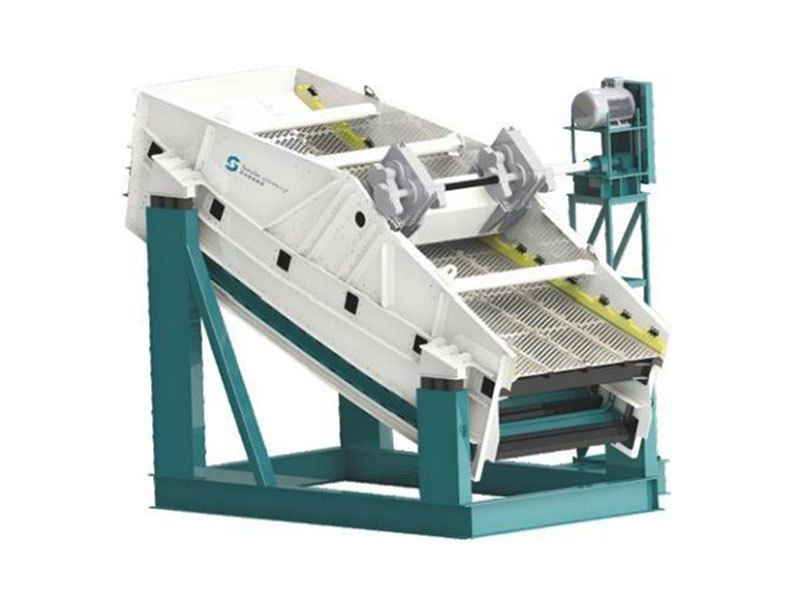
Vibrating screens are vital components in the manufacturing and processing industries, especially within the realm of crushing and sorting machinery. Their primary function is to separate materials based on size, ensuring that only the appropriate particles progress to the next stage of production. Understanding the mechanics and applications of vibrating screens can significantly enhance operational efficiency and product quality.
At the core of a vibrating screen's operation is its ability to facilitate the movement of materials through a series of screens or meshes. As the screen vibrates, materials are subjected to various forces, allowing larger particles to be filtered out while smaller ones pass through. This process is crucial in industries where size segregation is necessary for optimal processing, such as mining, construction, and recycling.
One of the notable advantages of vibrating screens is their versatility. They can be designed to accommodate a wide range of materials, from heavy aggregates in construction to fine powders in food processing. This adaptability makes them an essential tool for manufacturers looking to streamline their production lines and improve overall efficiency.
In addition to their versatility, vibrating screens are known for their effectiveness in enhancing product quality. By ensuring a precise separation of materials, they minimize contamination and help maintain the integrity of the final product. This is particularly important in industries that prioritize strict quality control measures, such as pharmaceuticals and food manufacturing.
Furthermore, vibrating screens come in various configurations, including linear, circular, and elliptical, each serving unique operational needs. The choice of screen type can impact factors such as throughput, efficiency, and the quality of the separated materials. Therefore, understanding the specific requirements of your manufacturing process is essential when selecting the appropriate vibrating screen.
Maintenance is another critical aspect of operating vibrating screens. Regular inspections and timely servicing can prevent unexpected breakdowns and prolong the lifespan of the equipment. By ensuring that vibrating screens are well-maintained, manufacturers can avoid costly downtimes and maintain a continuous flow of production.
In conclusion, vibrating screens play an indispensable role in the manufacturing and processing of materials, particularly within the crushing and sorting machinery industry. Their ability to effectively separate materials by size enhances operational efficiency and product quality, making them a fundamental component in various industrial applications. Understanding their functions, benefits, and maintenance requirements can help businesses optimize their processes and achieve greater success in their respective fields.
