
The Evolution of Cone Crusher Technology: What You Need to Know
Oct 07,2025
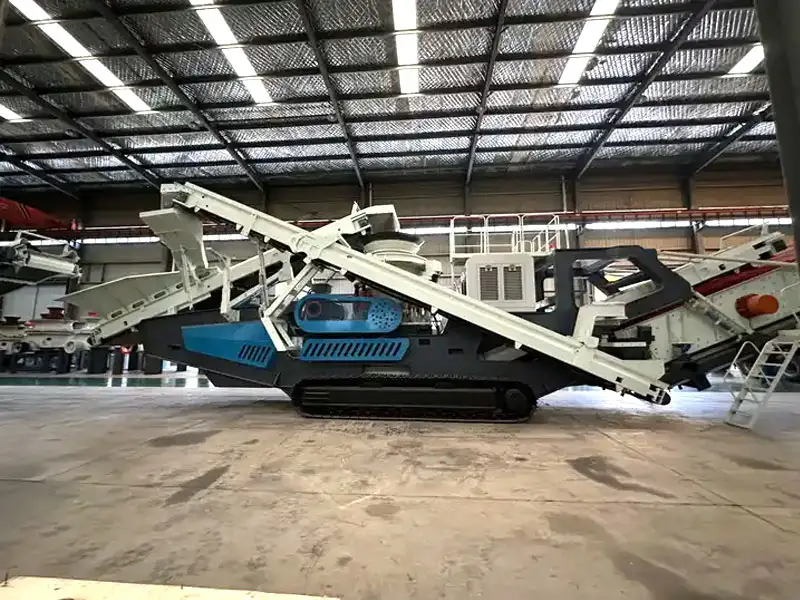
The Evolution of Cone Crusher Technology: What You Need to Know
Table of Contents
- 1. Introduction to Cone Crusher Technology
- 2. Historical Overview of Cone Crushers
- 3. Mechanical Design Innovations in Cone Crushers
- 4. Material Science Advancements
- 5. The Role of Automation in Cone Crusher Evolution
- 6. Sustainability and Environmental Considerations
- 7. Future Trends in Cone Crusher Technology
- 8. Conclusion: The Future of Cone Crushers
- 9. FAQs about Cone Crusher Technology
1. Introduction to Cone Crusher Technology
In the manufacturing and processing industries, **cone crushers** play a pivotal role in the crushing and screening of materials. Known for their **efficiency** and **versatility**, these machines have undergone significant transformations over the decades. Understanding the evolution of cone crusher technology provides insight into how these machines contribute to operational efficiency and productivity in various applications.
2. Historical Overview of Cone Crushers
The inception of cone crushers dates back to the late 19th century. Initially designed for aggregate and mineral processing, the original models were rudimentary and lacked the precision seen in modern designs. The introduction of the **Symons cone crusher** in the 1920s marked a significant milestone in crushing technology, establishing the design's fundamental principles that still resonate today.
Over the years, cone crushers have continuously evolved. The transition from the **simple mechanical designs** of the early models to the highly intricate machines of today demonstrates the industry's commitment to innovation and improvement.
3. Mechanical Design Innovations in Cone Crushers
Modern cone crushers are characterized by advanced mechanical designs that enhance performance and durability. Key innovations include:
3.1 Enhanced Crushing Chambers
The design of the crushing chamber plays a critical role in the performance of a cone crusher. Advanced geometries enable better material flow, resulting in improved throughput and reduced wear on the **crushing surfaces**.
3.2 Improved Eccentric Motion
The eccentric motion of the cone is crucial for effective crushing. Modern cone crushers employ sophisticated mechanisms that optimize this motion, leading to better particle size distribution and lower operational costs.
3.3 Hydraulic Systems
The introduction of hydraulic systems has made significant strides in **cone crusher technology**. These systems allow for automatic adjustment of the crusher settings, enhancing efficiency and reducing downtime during maintenance.
4. Material Science Advancements
The materials used in the construction of cone crushers have also evolved considerably.
4.1 High-Strength Alloys
The use of high-strength alloys and advanced materials has improved the durability and longevity of crushing components. These materials can withstand greater amounts of stress and wear, resulting in lower replacement costs and increased uptime.
4.2 Wear-Resistant Liners
Wear-resistant liners are vital for extending the life of cone crushers. Innovations in materials science have led to the development of liners that resist wear better, allowing for more prolonged operational usage without compromising performance.
5. The Role of Automation in Cone Crusher Evolution
The rise of automation and control systems has transformed the operational landscape of cone crushers.
5.1 Smart Technology Integration
Modern cone crushers are equipped with smart technology that allows for remote monitoring, predictive maintenance, and real-time adjustments. These features enable operators to optimize performance and minimize disruptions.
5.2 Automatic Settings Adjustment
Cone crushers can now automatically adjust their settings based on input material characteristics. This adaptability enhances efficiency and reduces energy consumption, contributing to more sustainable operations.
6. Sustainability and Environmental Considerations
As industries become increasingly environmentally conscious, the evolution of cone crusher technology reflects a commitment to sustainability.
6.1 Energy Efficiency
Today's cone crushers are designed to be more energy-efficient, reducing their carbon footprint and operational costs. Enhanced designs minimize energy consumption while maximizing output.
6.2 Recyclability of Materials
The industry has also shifted towards utilizing more recyclable materials in the manufacturing of cone crushers. This shift not only supports sustainability initiatives but also aligns with global goals for responsible resource management.
7. Future Trends in Cone Crusher Technology
Looking ahead, several trends are poised to shape the future of cone crusher technology.
7.1 Digital Transformation
The digital transformation of the manufacturing sector is set to influence cone crusher technology significantly. As data analytics and machine learning become more integrated, the ability to predict failures and optimize performance will improve drastically.
7.2 Enhanced Safety Features
Future cone crushers are expected to incorporate enhanced safety features, ensuring that operators can work in a safer environment. Innovations like automated shutdown mechanisms and advanced monitoring systems will be crucial in achieving this goal.
8. Conclusion: The Future of Cone Crushers
The evolution of cone crusher technology illustrates an ongoing journey of innovation and adaptation in the manufacturing and processing industries. As we continue to advance, embracing **automation**, **sustainability**, and **material science**, we can expect even greater enhancements in the efficiency, safety, and effectiveness of these essential machines. The future of cone crushers looks promising, with technology that not only meets but exceeds the demands of modern operations.
9. FAQs about Cone Crusher Technology
What is a cone crusher?
A cone crusher is a type of crushing machine used in various industries to crush materials into smaller sizes. It employs a rotating cone within a chamber to break down rocks and other materials.
How has cone crusher technology changed over the years?
Cone crusher technology has evolved from simple mechanical designs to sophisticated machines featuring advanced materials, automation, and energy-efficient systems.
What are the benefits of modern cone crushers?
Modern cone crushers offer benefits such as enhanced efficiency, reduced operational costs, improved durability, and lower environmental impact.
How do hydraulic systems improve cone crusher performance?
Hydraulic systems enable automatic adjustments to the crushing settings, improving efficiency, reducing downtime, and enhancing overall performance.
What role do materials play in the longevity of cone crushers?
The use of high-strength alloys and wear-resistant materials significantly extends the life of cone crushers, reducing maintenance costs and improving reliability.
In summary, understanding the evolution of cone crusher technology allows stakeholders in the manufacturing and processing sectors to leverage advancements for their operational needs. By staying informed about the latest innovations, businesses can optimize their processes and remain competitive in an ever-evolving market.
