
Understanding Jaw Crushers: Key Features and Benefits for Industrial Applications
Oct 10,2025
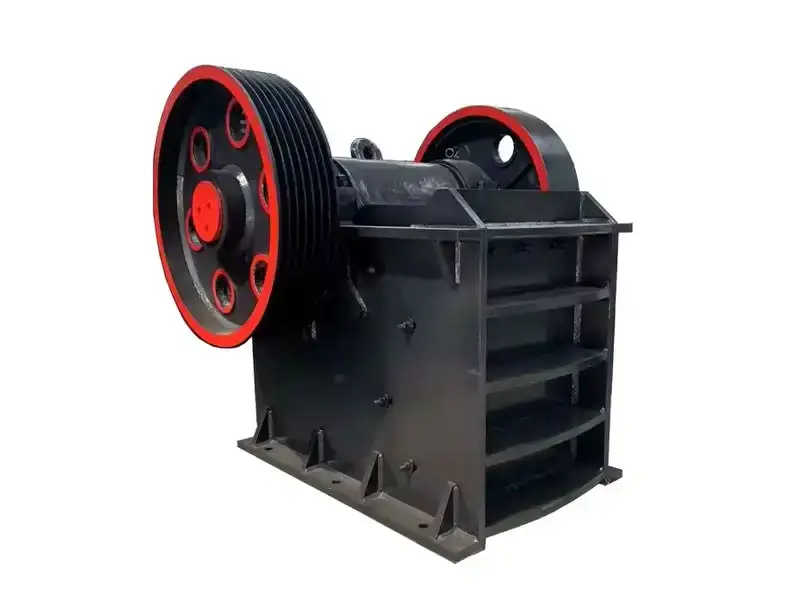
Jaw crushers are a vital component in the manufacturing and processing machinery industry, particularly in the realm of crushing and sorting machinery. These machines are designed to break down large materials into smaller, manageable pieces, facilitating further processing and enhancing overall operational efficiency. Understanding the mechanics and benefits of jaw crushers can provide significant insights for industry professionals.
One of the primary features of jaw crushers is their robust design, which typically includes a fixed jaw and a movable jaw. The material to be crushed is fed into the crushing chamber, where the movable jaw exerts force against the fixed jaw, reducing the size of the material through compression. This mechanism is particularly effective for hard and abrasive materials, making jaw crushers a popular choice in mining, construction, and recycling applications.
Jaw crushers come in various sizes and configurations, allowing them to accommodate different production requirements. Larger models can handle significant volumes of material, while smaller units are ideal for operations with limited space or lower capacity needs. Additionally, many modern jaw crushers incorporate advanced technology, such as hydraulic systems, which enhance adjustability and ease of operation. This enables operators to optimize the crushing process according to specific material characteristics and desired outputs.
Another critical aspect of jaw crushers is their versatility. They can effectively process a range of materials, from hard rocks like granite and limestone to more pliable substances such as asphalt and concrete. This adaptability makes jaw crushers particularly valuable in diverse applications, including aggregate production, demolition waste processing, and mineral extraction.
Furthermore, jaw crushers are known for their relatively low maintenance requirements. With fewer moving parts compared to other types of crushers, they generally require less frequent servicing and can operate for extended periods without significant downtime. This reliability is crucial for industries that rely on continuous operation and productivity.
In terms of operational efficiency, jaw crushers can contribute to improved material recovery rates. By breaking down materials into smaller sizes, they allow for easier handling and separation during subsequent processing stages. This can lead to more efficient sorting operations, ultimately reducing waste and enhancing the value of the recovered materials.
In summary, jaw crushers are an indispensable tool in the manufacturing and processing machinery industry, offering robust design, versatility, and operational efficiency. By understanding their key features and benefits, industry professionals can make informed decisions about incorporating jaw crushers into their operations, ensuring improved productivity and effectiveness in crushing and sorting applications.
