
The Hidden Benefits of Using a Vibrating Motor in Industrial Applications
Oct 11,2025
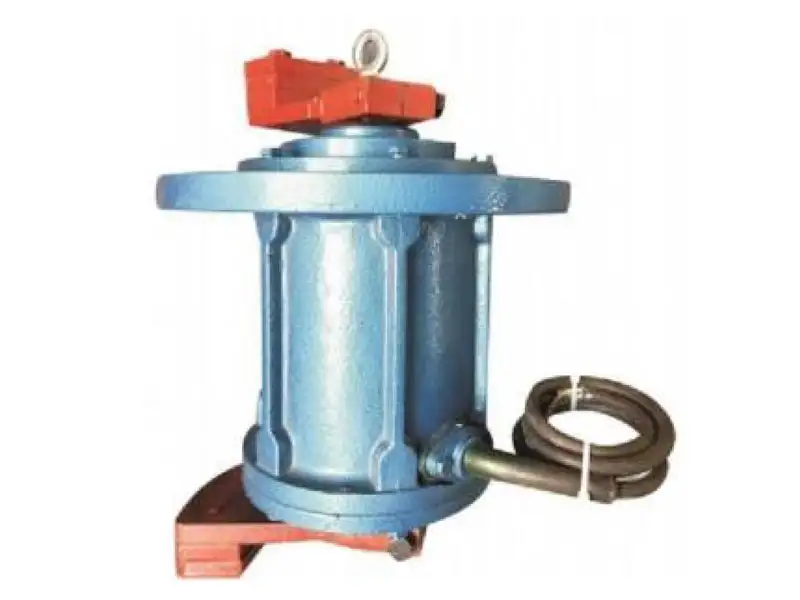
The Hidden Benefits of Using a Vibrating Motor in Industrial Applications
In the realm of industrial applications, the focus often falls on traditional machinery and motors that have long been the backbone of manufacturing. However, less attention is paid to the versatile and powerful vibrating motor. These devices offer a range of hidden benefits that can dramatically enhance operational efficiency and productivity. In this article, we delve into the multifaceted advantages of using vibrating motors, examining their applications, technological advancements, and the profound impact they can have on your industrial processes.
Table of Contents
- What is a Vibrating Motor?
- Applications of Vibrating Motors in Industry
- Benefits of Using Vibrating Motors
- Improved Material Handling Efficiency
- Cost-Effectiveness and Energy Efficiency
- Enhanced Product Quality and Consistency
- Maintenance and Durability of Vibrating Motors
- Conclusion
- Frequently Asked Questions
What is a Vibrating Motor?
A vibrating motor is a specialized type of electric motor designed to produce vibrations. These motors convert electrical energy into mechanical energy, creating vibrations through an unbalanced rotor. They are available in various configurations, including both AC and DC models, and can be utilized in a wide range of industrial applications. The unique functionality of vibrating motors makes them indispensable in sectors such as construction, mining, agriculture, and manufacturing.
Types of Vibrating Motors
Vibrating motors can generally be classified into two main types: centrifugal vibrating motors and linear vibrating motors. Centrifugal vibrating motors generate circular vibrations, while linear vibrating motors produce straight-line vibrations. Understanding the differences between these types is crucial for selecting the right motor for specific industrial needs.
Applications of Vibrating Motors in Industry
Vibrating motors find their application in a multitude of industrial processes. Their ability to generate controlled vibrations allows for improved handling of materials and enhanced operational workflows. Here are some of the key applications:
Bulk Material Handling
In industries dealing with bulk materials, vibrating motors facilitate the movement of materials through hoppers, conveyors, and feeders. This application minimizes blockages and ensures a smooth flow of materials, significantly reducing downtime.
Screening and Classification
Vibrating motors are extensively used in screening and classification processes, such as in mining and quarrying. They help in separating materials based on size by inducing vibrations that cause particles to stratify, thereby enhancing the efficiency of separation processes.
Compaction of Materials
In construction and civil engineering, vibrating motors are used for compacting soil and other materials. The vibrations caused by the motors help in achieving a denser material structure, improving the stability and durability of the foundation.
Benefits of Using Vibrating Motors
The integration of vibrating motors into industrial operations presents numerous benefits that can significantly enhance productivity and reduce operational costs.
Improved Material Handling Efficiency
The design of vibrating motors allows for precise control of vibration intensity and frequency, which optimizes the material handling process. This improved efficiency results in faster cycle times, decreased risk of material damage, and enhanced safety in the workplace. By minimizing the likelihood of clogs and ensuring a steady flow of materials, vibrating motors contribute to an overall smoother operation.
Cost-Effectiveness and Energy Efficiency
Vibrating motors are generally more energy-efficient than traditional motors. Their ability to operate at lower energy levels while maintaining high performance translates into lower energy costs over time. Furthermore, the reduced maintenance needs of these motors contribute to lower operational expenses, making them a cost-effective solution for businesses.
Long-Term Savings
Investing in vibrating motors can lead to significant long-term savings. The combined effects of energy efficiency and minimal maintenance requirements can often result in a return on investment (ROI) that is realized within a short period.
Enhanced Product Quality and Consistency
The ability of vibrating motors to ensure uniform material distribution and compaction leads to an improvement in product quality. Industries that require high precision in their processes benefit from the consistent and reliable performance these motors offer. This consistency is vital, particularly in sectors where product quality is a key differentiator in the market.
Maintenance and Durability of Vibrating Motors
Vibrating motors are known for their durability and longevity. The robust design of these motors minimizes wear and tear, reducing the frequency of replacements and repairs. Their maintenance needs are typically lower compared to traditional motors, as they have fewer moving parts that require regular servicing.
Best Practices for Maintenance
To ensure the longevity of vibrating motors, regular inspections and cleaning are recommended. Additionally, following the manufacturer’s guidelines for operational limits regarding temperature, load, and vibration levels can help maintain optimal performance over time.
Conclusion
In conclusion, the hidden benefits of using vibrating motors in industrial applications cannot be overstated. From enhancing material handling efficiency to providing cost savings and improved product quality, these versatile devices play a crucial role in modern manufacturing processes. By understanding their applications and advantages, businesses can leverage vibrating motors to significantly improve their operational capabilities and maintain a competitive edge in a rapidly evolving marketplace.
Frequently Asked Questions
1. What industries commonly use vibrating motors?
Vibrating motors are widely used in various industries, including construction, mining, agriculture, food processing, and manufacturing.
2. How do vibrating motors improve material handling?
Vibrating motors facilitate the smooth movement of bulk materials, reducing blockages and ensuring a continuous flow.
3. Are vibrating motors energy efficient?
Yes, vibrating motors are known for their energy efficiency, often consuming less power compared to traditional motors.
4. What types of maintenance do vibrating motors require?
Vibrating motors require regular inspections, cleaning, and adherence to operational guidelines to ensure optimal performance.
5. Can vibrating motors improve product quality?
Absolutely. Their ability to provide consistent material distribution and compaction leads to enhanced product quality and uniformity.
