
Understanding the Importance of Mud and Stone Separators in Industrial Applications
Jan 10,2026
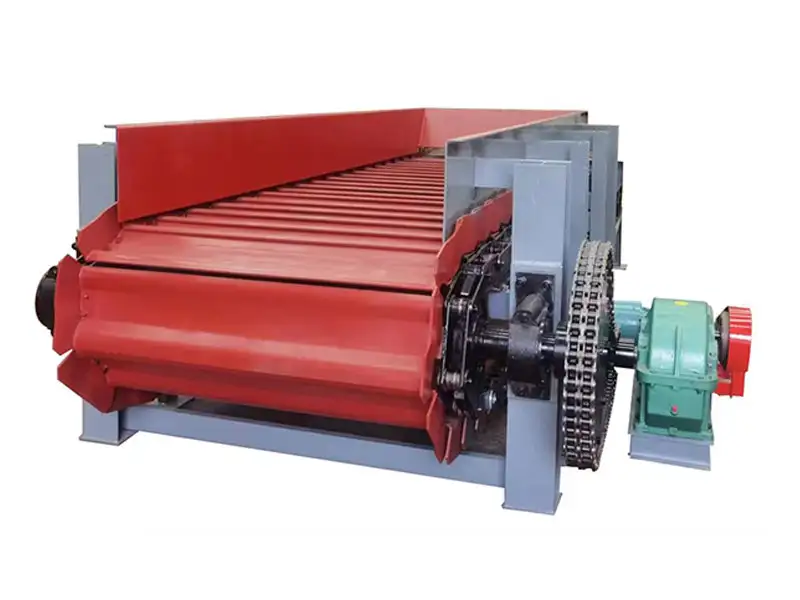
Mud and stone separators are specialized devices designed to remove mud, stones, and other unwanted solid particles from liquids, particularly in industries such as construction, mining, and wastewater treatment. These separators utilize a combination of physical and mechanical processes to ensure that the liquid is free from contaminants, which can significantly impact the performance and longevity of industrial equipment.
One of the primary functions of a mud and stone separator is to enhance the quality of the liquids being processed. By effectively removing solid impurities, these separators improve the overall efficiency of operations, reduce wear and tear on machinery, and minimize the risk of equipment failures. This is especially important in industries that rely on the purity of their liquids for production processes, where any contamination can lead to costly downtimes and production losses.
In addition to improving liquid quality, mud and stone separators contribute to environmental sustainability. By efficiently separating and collecting waste materials, these devices help industries comply with environmental regulations and reduce their ecological footprint. Proper waste management not only protects natural resources but also promotes a cleaner and healthier working environment.
The operational efficiency of mud and stone separators is further enhanced by their design. Many modern separators are equipped with advanced features such as automated controls, adjustable settings, and high-capacity processing capabilities. This allows industries to tailor the separation process to meet their specific needs, ensuring optimal performance in varying conditions. Furthermore, the use of durable materials in their construction ensures that the separators can withstand harsh industrial environments and have a long operational life.
In industries such as mining and construction, where large volumes of mud and stone are generated, the importance of these separators cannot be overstated. They facilitate smoother operations by keeping the working environment free of debris, thus enabling workers to perform their tasks more efficiently and safely.
In conclusion, mud and stone separators are indispensable tools in various industrial sectors. Their ability to enhance liquid quality, promote environmental sustainability, and improve operational efficiency makes them vital for businesses looking to optimize their processes. Investing in effective separation technology will not only streamline operations but also contribute to long-term success in today’s competitive industrial landscape. By understanding the role of mud and stone separators, companies can make informed decisions that benefit their productivity and sustainability efforts.
One of the primary functions of a mud and stone separator is to enhance the quality of the liquids being processed. By effectively removing solid impurities, these separators improve the overall efficiency of operations, reduce wear and tear on machinery, and minimize the risk of equipment failures. This is especially important in industries that rely on the purity of their liquids for production processes, where any contamination can lead to costly downtimes and production losses.
In addition to improving liquid quality, mud and stone separators contribute to environmental sustainability. By efficiently separating and collecting waste materials, these devices help industries comply with environmental regulations and reduce their ecological footprint. Proper waste management not only protects natural resources but also promotes a cleaner and healthier working environment.
The operational efficiency of mud and stone separators is further enhanced by their design. Many modern separators are equipped with advanced features such as automated controls, adjustable settings, and high-capacity processing capabilities. This allows industries to tailor the separation process to meet their specific needs, ensuring optimal performance in varying conditions. Furthermore, the use of durable materials in their construction ensures that the separators can withstand harsh industrial environments and have a long operational life.
In industries such as mining and construction, where large volumes of mud and stone are generated, the importance of these separators cannot be overstated. They facilitate smoother operations by keeping the working environment free of debris, thus enabling workers to perform their tasks more efficiently and safely.
In conclusion, mud and stone separators are indispensable tools in various industrial sectors. Their ability to enhance liquid quality, promote environmental sustainability, and improve operational efficiency makes them vital for businesses looking to optimize their processes. Investing in effective separation technology will not only streamline operations but also contribute to long-term success in today’s competitive industrial landscape. By understanding the role of mud and stone separators, companies can make informed decisions that benefit their productivity and sustainability efforts.
