
The Benefits of Using Trommel Screens for Efficient Waste Management
Jan 13,2026
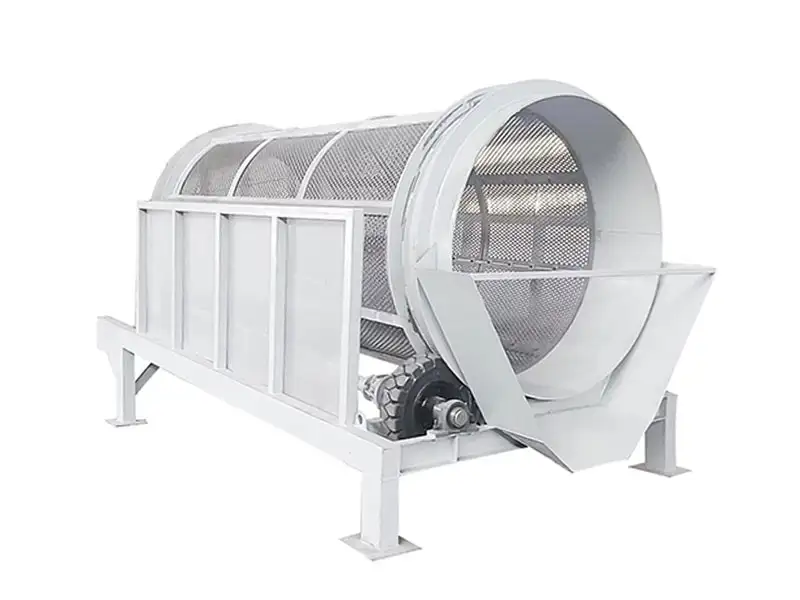
The Benefits of Using Trommel Screens for Efficient Waste Management
Table of Contents
- 1. Introduction to Trommel Screens
- 2. What is a Trommel Screen?
- 3. How Trommel Screens Work
- 4. Key Benefits of Trommel Screens in Waste Management
- 4.1 Increased Efficiency
- 4.2 Cost-Effectiveness
- 4.3 Environmental Sustainability
- 4.4 Versatility
- 4.5 Reduced Labor Requirements
- 5. Applications of Trommel Screens in Waste Management
- 6. Maintenance and Care of Trommel Screens
- 7. Choosing the Right Trommel Screen for Your Needs
- 8. Conclusion
- 9. Frequently Asked Questions (FAQs)
1. Introduction to Trommel Screens
In the realm of waste management, efficiency and effectiveness are paramount. **Trommel screens** have emerged as a vital tool in optimizing the waste processing cycle. As industries and municipalities face increasing pressures to manage waste sustainably, these machines provide a practical solution to streamline operations and enhance recycling efforts.
Trommel screens are cylindrical rotating screens designed to separate materials based on size. They play a crucial role in various sectors, including construction, mining, and recycling, ensuring that waste management processes are both efficient and environmentally friendly.
2. What is a Trommel Screen?
A trommel screen consists of a large cylindrical drum that is perforated with holes of varying sizes. As the drum rotates, materials are fed into one end. The rotation and the incline of the drum allow smaller particles to pass through the holes while larger materials tumble until they exit the other end. This mechanical separation process is instrumental in sorting out recyclable materials, compostable waste, and other components of mixed waste.
3. How Trommel Screens Work
Trommel screens operate on a simple yet effective principle. When waste material enters the trommel, the rotation of the drum causes the materials to move along the length of the screen. As they move, gravity pulls smaller particles through the perforations while larger items continue to tumble. This method of sorting is not only efficient but also minimizes contamination, ensuring that the separated materials are of higher quality.
The trommel screen's design allows for customization based on the specific needs of the waste being processed. Adjusting the speed of rotation, the angle of the drum, and the size of the perforations can optimize the separation process for different materials.
4. Key Benefits of Trommel Screens in Waste Management
Trommel screens offer numerous advantages that make them indispensable in modern waste management practices. Below are some of the most significant benefits:
4.1 Increased Efficiency
One of the primary benefits of trommel screens is their ability to **increase efficiency** in waste sorting. With the capability to process large volumes of material quickly, these machines significantly reduce the time required to separate recyclable materials from waste. The continuous operation of the trommel screen allows for a streamlined workflow, enabling operators to handle more waste in less time.
4.2 Cost-Effectiveness
Investing in trommel screens can lead to substantial **cost savings** over time. By improving the efficiency of waste sorting, these machines reduce labor costs and operational expenses associated with manual sorting. Additionally, the enhanced quality of sorted materials can lead to higher resale values for recyclables, further offsetting initial investment costs.
4.3 Environmental Sustainability
With increasing global emphasis on sustainability, trommel screens contribute to **environmental conservation** by maximizing recycling rates. By effectively separating recyclable materials from waste, these machines help divert significant volumes of waste from landfills. This not only reduces the environmental impact of waste disposal but also promotes the circular economy, where materials are reused and recycled rather than discarded.
4.4 Versatility
Trommel screens are highly **versatile** and can accommodate various materials, including soil, compost, construction debris, and municipal solid waste. This adaptability makes them suitable for a wide range of applications, from landscaping and agricultural projects to industrial waste management and recycling operations.
4.5 Reduced Labor Requirements
By automating the sorting process, trommel screens reduce the need for extensive manual labor. This not only lowers labor costs but also minimizes the risk of workplace injuries associated with manual sorting tasks. Operators can focus on overseeing the process rather than being directly involved in the labor-intensive sorting activities.
5. Applications of Trommel Screens in Waste Management
Trommel screens find applications in various waste management scenarios, enhancing operational efficiency across multiple sectors:
1. **Construction and Demolition Waste**: Trommel screens effectively separate debris from construction sites, allowing for the recycling of materials like wood, concrete, and metals.
2. **Composting**: In organic waste processing, trommel screens help separate compostable materials from non-compostable waste, improving the quality of compost produced.
3. **Municipal Solid Waste**: These machines are instrumental in sorting municipal waste, helping identify and separate recyclables from general trash.
4. **Mining Operations**: Trommel screens are used in mining to sift through rubble, separating valuable minerals from waste rock.
5. **Agricultural Waste**: In agriculture, trommel screens help sort through materials like soil and plant debris, enhancing soil management and sustainability practices.
6. Maintenance and Care of Trommel Screens
To ensure optimal performance, regular maintenance of trommel screens is essential. Key maintenance practices include:
- **Routine Inspections**: Regularly inspect the trommel screen for signs of wear and tear, particularly on the drum and its perforations.
- **Cleaning**: Keep the screen clean to prevent material buildup that can affect performance.
- **Lubrication**: Maintain the moving parts by lubricating them as per the manufacturer’s recommendations to ensure smooth operation.
- **Monitor Performance**: Keep track of the machine's performance and make adjustments to optimize separation efficiency.
By adhering to these maintenance practices, operators can prolong the lifespan of trommel screens and maintain their efficiency.
7. Choosing the Right Trommel Screen for Your Needs
Selecting the appropriate trommel screen is critical for maximizing efficiency in waste management. Consider the following factors:
- **Material Type**: Understand the types of materials you will be processing, as this influences the drum size and perforation types required.
- **Throughput Capacity**: Determine the volume of material you need to process within a specific timeframe to select a screen with adequate capacity.
- **Customization Options**: Look for manufacturers that offer customizable features to tailor the trommel screen to your specific needs.
- **Budget**: Assess your budget and weigh the long-term benefits of investing in a high-quality trommel screen against lower-cost alternatives.
Engaging with a reputable supplier who understands your operational requirements can guide you in making an informed decision.
8. Conclusion
Trommel screens have revolutionized waste management practices by enhancing efficiency, promoting sustainability, and reducing labor costs. Their ability to effectively separate materials plays a crucial role in recycling and waste processing across various sectors. By investing in trommel screens, businesses and municipalities can streamline their waste operations, improve the quality of recycled materials, and contribute to a more sustainable future.
9. Frequently Asked Questions (FAQs)
1. What materials can trommel screens process?
Trommel screens can process a variety of materials, including soil, compost, construction debris, municipal solid waste, and agricultural waste.
2. How does a trommel screen improve recycling rates?
By efficiently separating recyclable materials from waste, trommel screens help divert more materials from landfills, thereby improving overall recycling rates.
3. What is the average lifespan of a trommel screen?
The lifespan of a trommel screen can vary depending on usage, maintenance, and quality. With proper care, they can last for many years, often exceeding a decade.
4. Are trommel screens easy to operate?
Yes, trommel screens are designed for ease of operation. Operators can often control the machine with simple controls and require minimal training to manage the sorting process.
5. What factors should I consider when choosing a trommel screen?
Consider factors such as the type of material you will process, the required throughput capacity, customization options, and your budget when selecting a trommel screen.
By understanding the benefits and functionalities of trommel screens, businesses and municipalities can make informed decisions that enhance their waste management capabilities while contributing to environmental sustainability.
PREVIOUS:
