
Understanding Vibrating Motors: Applications and Benefits in Electrical Engineering
Jan 22,2026
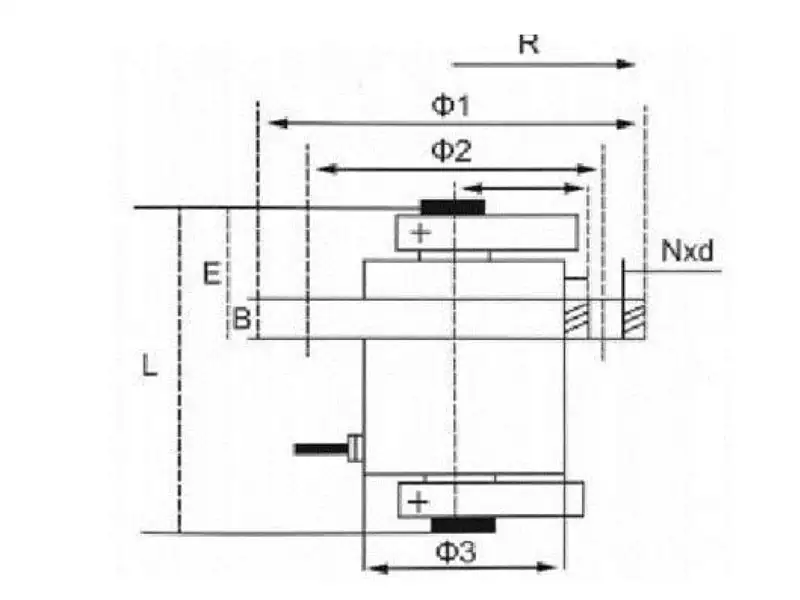
Vibrating motors are specialized electric motors designed to create controlled vibrations for a wide range of applications. These motors are integral to numerous industries, including manufacturing, automotive, and construction, where precise vibrations are needed to facilitate processes such as material handling, sorting, and compacting. The fundamental principle behind vibrating motors is the conversion of electrical energy into mechanical energy, resulting in vibrational motion.
One of the primary benefits of vibrating motors is their ability to efficiently transfer energy. This efficiency is particularly crucial in applications where material agitation, mixing, or separation is required. For instance, in the food processing industry, vibrating motors are used to segregate different types of materials, ensuring uniformity and quality in production. Additionally, in the mining sector, they assist in moving bulk materials through hoppers and conveyors, enhancing operational efficiency.
The design of vibrating motors typically includes an eccentric weight attached to the rotor, which generates the desired vibration when the motor is in operation. This design allows for adjustable vibration intensity, making it suitable for various tasks. Professionals can customize the amplitude and frequency of vibrations based on specific operational requirements, providing flexibility and adaptability across different uses.
In terms of durability, vibrating motors are built to withstand harsh environments, which is essential for industries such as construction and mining. Their robust construction allows them to perform reliably under heavy loads and challenging conditions, reducing the risk of downtime and maintenance costs. Furthermore, the compact design of these motors ensures they can be installed in limited spaces, making them a versatile choice for many applications.
When selecting a vibrating motor, it is essential for professionals to consider factors such as load requirements, operational speed, and the environment in which the motor will operate. Understanding these parameters will aid in choosing the right motor for your specific application, thereby maximizing efficiency and performance.
Overall, vibrating motors play a crucial role in various electrical engineering applications, providing effective solutions for material handling and processing needs. By understanding their functionality and advantages, professionals can make informed decisions and leverage these motors to enhance productivity in their respective fields. As industries continue to evolve, the importance of vibrating motors will only grow, making them a key component in modern electric motor applications.
One of the primary benefits of vibrating motors is their ability to efficiently transfer energy. This efficiency is particularly crucial in applications where material agitation, mixing, or separation is required. For instance, in the food processing industry, vibrating motors are used to segregate different types of materials, ensuring uniformity and quality in production. Additionally, in the mining sector, they assist in moving bulk materials through hoppers and conveyors, enhancing operational efficiency.
The design of vibrating motors typically includes an eccentric weight attached to the rotor, which generates the desired vibration when the motor is in operation. This design allows for adjustable vibration intensity, making it suitable for various tasks. Professionals can customize the amplitude and frequency of vibrations based on specific operational requirements, providing flexibility and adaptability across different uses.
In terms of durability, vibrating motors are built to withstand harsh environments, which is essential for industries such as construction and mining. Their robust construction allows them to perform reliably under heavy loads and challenging conditions, reducing the risk of downtime and maintenance costs. Furthermore, the compact design of these motors ensures they can be installed in limited spaces, making them a versatile choice for many applications.
When selecting a vibrating motor, it is essential for professionals to consider factors such as load requirements, operational speed, and the environment in which the motor will operate. Understanding these parameters will aid in choosing the right motor for your specific application, thereby maximizing efficiency and performance.
Overall, vibrating motors play a crucial role in various electrical engineering applications, providing effective solutions for material handling and processing needs. By understanding their functionality and advantages, professionals can make informed decisions and leverage these motors to enhance productivity in their respective fields. As industries continue to evolve, the importance of vibrating motors will only grow, making them a key component in modern electric motor applications.
