
Essential Tips for Choosing the Right Vibration Motor for Your Industrial Applications
Mar 03,2026
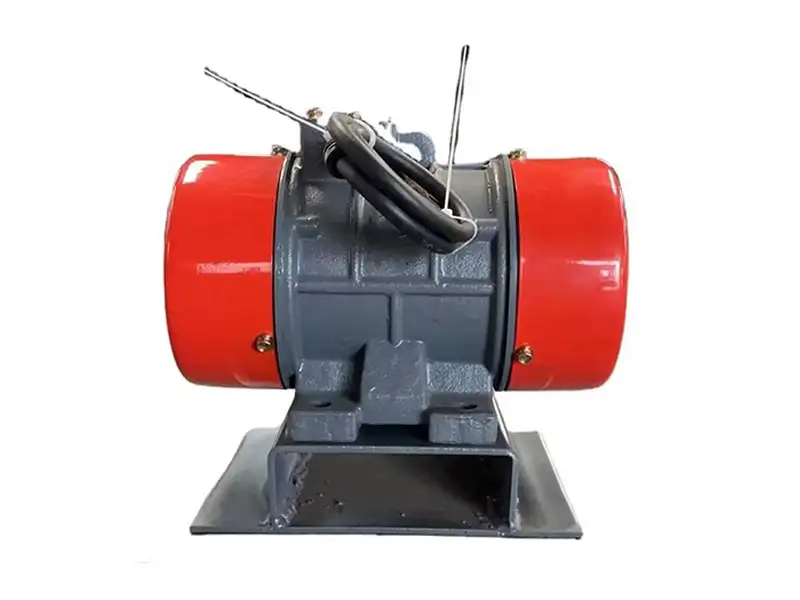
Essential Tips for Choosing the Right Vibration Motor for Your Industrial Applications
Table of Contents
- Introduction
- Understanding Vibration Motors
- Types of Vibration Motors
- Factors to Consider When Choosing a Vibration Motor
- Application Requirements
- Vibration Frequency and Amplitude
- Power and Voltage Requirements
- Environmental Conditions
- Applications of Vibration Motors
- Expert Tips for Selecting the Right Vibration Motor
- Common Mistakes to Avoid
- Frequently Asked Questions (FAQs)
- Conclusion
Introduction
Choosing the right vibration motor is crucial for optimizing machine performance in various industrial applications. Whether you require a motor for materials handling, sorting, or compacting, understanding the nuances of vibration motors can significantly impact productivity. This guide provides in-depth insights into selecting a vibration motor that meets your specific requirements.
Understanding Vibration Motors
Definition of Vibration Motors
Vibration motors are electromechanical devices designed to create a vibratory motion that assists in several operational tasks, such as conveying, vibrating, or compacting materials. The vibration produced can facilitate the movement of bulk materials through a variety of systems.
How Vibration Motors Work
Vibration motors operate by converting electrical energy into mechanical energy through oscillation. Either an eccentric rotating mass or an electromagnetic force generates the needed vibration. This motion assists in displacing materials, improving flow, or enhancing the efficiency of other industrial processes.
Types of Vibration Motors
Understanding the different types of vibration motors is fundamental in choosing the right one for your application.
Electromagnetic Vibration Motors
Electromagnetic vibration motors use an electromagnetic coil to produce vibrations. They are typically utilized in applications requiring precise vibration control. These motors are highly effective in environments where feedback on vibration levels is essential.
Eccentric Mass Vibration Motors
Eccentric mass motors generate vibration by rotating an eccentric mass around an axis. As the mass spins, it creates an unbalanced force that translates into vibration. These motors are commonly used in industrial applications for material handling and compacting.
Piezoelectric Vibration Motors
Piezoelectric motors use piezoelectric materials that change shape when an electrical charge is applied. These motors are ideal for applications requiring very subtle vibration control and fast response times.
Factors to Consider When Choosing a Vibration Motor
Choosing the appropriate vibration motor demands careful consideration of several factors:
Application Requirements
Identify the specific needs of your application. Different tasks may require varying degrees of vibration intensity and frequency. Understanding the operational requirements is the first step in selecting the right motor.
Vibration Frequency and Amplitude
The vibration frequency and amplitude are integral to the motor's performance. The frequency should align with the material handling processes, while the amplitude will dictate how intensely the material is vibrated. Confirming these specifications with manufacturers may help enhance overall efficiency.
Power and Voltage Requirements
Every vibration motor has specific power and voltage requirements. It is crucial to ensure that the motor you select is compatible with your existing power supply to avoid performance issues or damage.
Environmental Conditions
Assess the environmental conditions in which the motor will operate. Factors such as temperature, humidity, and exposure to dust or moisture can significantly affect performance. Choosing a motor with the appropriate protection rating is essential for durability and reliability.
Applications of Vibration Motors
Vibration motors find their utility across a range of industries and applications. Some common uses include:
1. **Material Handling:** Vibration motors are widely used for moving bulk materials through feeding systems, conveyors, and chutes.
2. **Food Processing:** These motors assist in the sorting, aligning, and compacting of food products.
3. **Construction:** In construction applications, vibration motors are essential for compacting soil and materials.
4. **Manufacturing:** They play a significant role in the assembly line, ensuring efficient movement of components.
5. **Pharmaceuticals:** Vibration motors help in the precise handling and processing of pharmaceutical products.
Expert Tips for Selecting the Right Vibration Motor
To optimize your selection process and ensure you make the right choice, consider the following expert tips:
1. **Consult with Experts:** Engage with manufacturers or industry professionals to gain insights on the best practices and motor types suited for your needs.
2. **Conduct Performance Testing:** If feasible, conduct trials with different motor types to determine their effectiveness in your specific environment.
3. **Review Feedback and Case Studies:** Analyze case studies or customer reviews to understand how specific motors have performed in similar applications.
4. **Plan for Maintenance:** Choose motors that have lower maintenance requirements to ensure long-term reliability and cost-effectiveness.
5. **Consider Future Scalability:** Think about your future needs and select a motor that can adapt to potential increases in demand or changes in application requirements.
Common Mistakes to Avoid
When selecting a vibration motor, avoiding common pitfalls is paramount for efficiency and effectiveness.
1. **Ignoring Manufacturer Specifications:** Always refer to the manufacturer's specifications to ensure compatibility with your application.
2. **Overlooking Environmental Factors:** Failing to consider environmental conditions can lead to unexpected failures and maintenance costs.
3. **Neglecting Vibration Testing:** Not testing the vibration output can result in selecting a motor that does not meet your application needs.
4. **Disregarding Power Compatibility:** Ensure that the motor's power requirements align with your existing systems to prevent any operational disruptions.
Frequently Asked Questions (FAQs)
1. What is the lifespan of a vibration motor?
The lifespan of a vibration motor varies greatly based on usage, maintenance, and operating conditions. Generally, with proper care, they can last several years.
2. Can vibration motors be used in hazardous environments?
Yes, but it is vital to select motors specifically designed for hazardous environments, featuring appropriate ratings and certifications.
3. How do I determine the right frequency for my application?
The right frequency often depends on the material being handled and the specific application. Consulting with manufacturers or using trial-and-error methods can help find the optimal frequency.
4. Are vibration motors energy efficient?
Many modern vibration motors are designed to be energy-efficient, consuming less power while delivering optimal performance. Reviewing specifications will help identify energy-efficient options.
5. Is maintenance required for vibration motors?
Yes, regular maintenance is essential to ensure longevity and reliable performance. This may include cleaning, checking for wear, and ensuring electrical connections are secure.
Conclusion
Selecting the right vibration motor is a critical decision that impacts operational efficiency and productivity across various industrial applications. By understanding the different types of motors, considering essential factors, and leveraging expert insights, you can make an informed choice that meets your specific needs. Whether for material handling, compacting, or sorting, the right vibration motor will enhance your processes, leading to better outcomes and increased profitability.
