
Unlocking the Power of Vibrating Motors: A Comprehensive Guide
Oct 11,2026
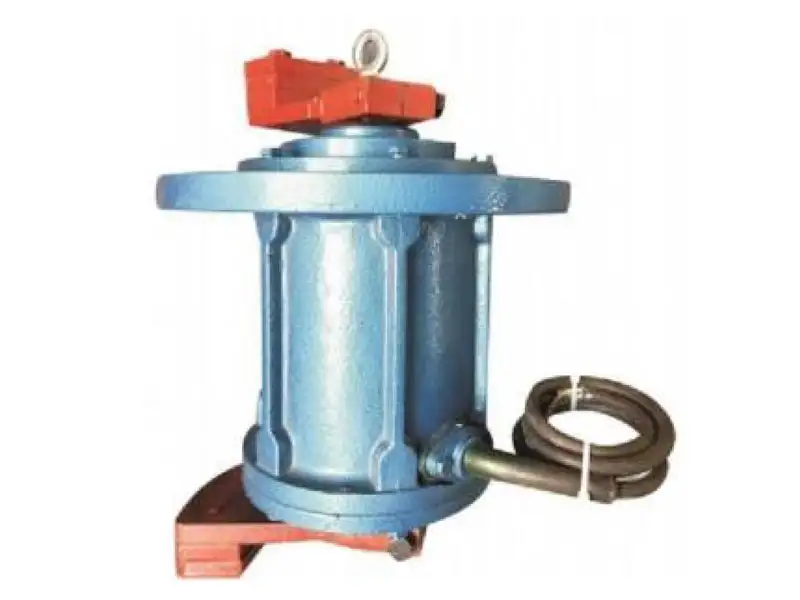
Vibrating motors are specialized electric motors designed to produce a controlled vibration, primarily used in various industrial applications. These motors operate on the principle of generating centrifugal force by utilizing an offset weight attached to the rotor. When the motor spins, this offset weight creates a vibration that can be harnessed for various purposes, such as material handling, screening, and compacting.
The primary advantage of vibrating motors is their ability to provide consistent and adjustable vibration levels, making them suitable for tasks that require precise control. For instance, in the construction industry, vibrating motors are used in concrete vibrators to eliminate air bubbles, ensuring a denser and stronger final product. Similarly, in the food processing industry, they help facilitate the movement of bulk materials, ensuring even distribution and preventing blockages in hoppers and chutes.
Another significant application of vibrating motors is in the manufacturing of electronic devices. These motors are integral in creating haptic feedback in smartphones and gaming controllers, enhancing user experience by allowing users to feel alerts and notifications. The compact size and efficiency of vibrating motors make them an ideal choice for modern electronic applications.
When selecting a vibrating motor for a specific application, several technical considerations should be taken into account. The frequency and amplitude of the vibration are crucial parameters that need to be matched to the material and process requirements. Additionally, the mounting type (e.g., foot-mounted or flange-mounted) and the power supply specifications should align with the existing system for optimal performance.
Moreover, maintenance is a vital aspect of operating vibrating motors. Regular inspections and proper lubrication can significantly extend the lifespan of these motors and ensure they operate efficiently. Identifying signs of wear early can prevent costly downtime and repairs.
In conclusion, vibrating motors play a pivotal role in enhancing productivity across various industries through their ability to generate controlled vibrations. Understanding their mechanisms and applications can aid businesses in making informed decisions when investing in these specialized electric motors. Whether it’s for construction, food processing, or electronics, the potential applications of vibrating motors are vast, making them an essential component in modern engineering and manufacturing processes.
