
What to Look for When Buying a Jaw Crusher for Your Business: A Comprehensive Guide
Mar 21,2026
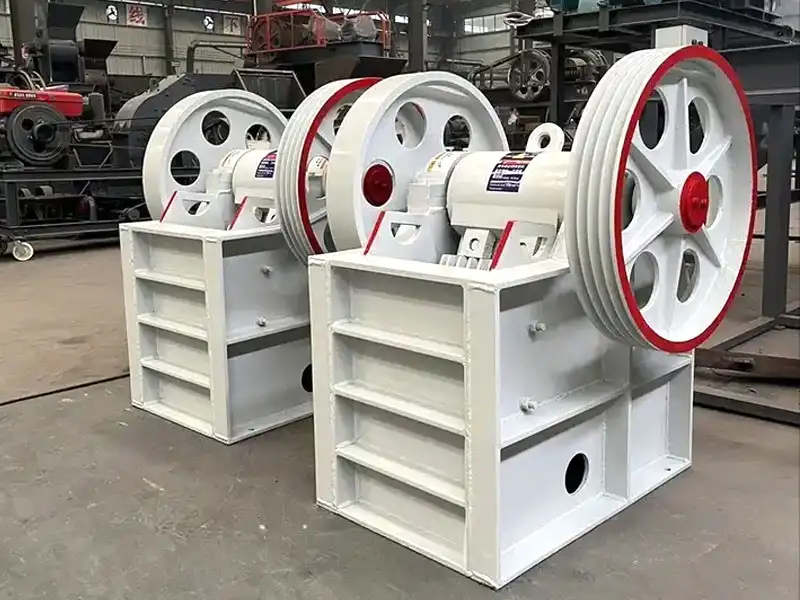
What to Look for When Buying a Jaw Crusher for Your Business
When it comes to heavy machinery for manufacturing and processing, **jaw crushers** play a pivotal role in the crushing and screening industry. Selecting the right jaw crusher can significantly impact your business operations, whether you are in mining, quarrying, or recycling. This guide will delve into the essential factors to consider when buying a jaw crusher, helping you make an informed decision that aligns with your operational goals.
Table of Contents
1. Understanding Jaw Crushers
2. Key Specifications to Consider
2.1. Crushing Chamber Design
2.2. Material Specifications
2.3. Capacity and Output
3. Operational Efficiency
3.1. Energy Consumption
3.2. Maintenance and Downtime
4. Safety Features
5. The Importance of After-Sales Support
6. Cost Considerations
6.1. Initial Investment vs. Long-Term Value
7. Brand Reputation and Reviews
8. FAQs
9. Conclusion
1. Understanding Jaw Crushers
Jaw crushers are versatile and robust machines, primarily used for breaking down hard materials into manageable sizes. They are characterized by a fixed jaw and a movable jaw that work in tandem to crush material. These machines are widely utilized in various industries, including construction, mining, and recycling. Understanding how they function and their applications is crucial to making an informed purchase.
2. Key Specifications to Consider
When selecting a jaw crusher, several specifications are essential to ensure it meets your business’s needs.
2.1. Crushing Chamber Design
The design of the crushing chamber can significantly affect the efficiency of the jaw crusher. A well-designed chamber allows for more effective crushing by promoting better material flow and reducing the risk of blockages. Look for crushers with innovative designs that facilitate easy maintenance and optimal performance.
2.2. Material Specifications
Different materials require different crushing approaches. Consider the types of materials you intend to process. For example, harder materials like granite require a heavier-duty jaw crusher compared to softer materials like limestone. Ensure that the jaw crusher you choose can handle your specific material requirements without compromising performance.
2.3. Capacity and Output
Capacity, which refers to the volume of material a crusher can process per hour, is a crucial factor. Assess your production goals and choose a jaw crusher that meets or exceeds them. An underperforming machine can lead to operational delays and decreased productivity.
3. Operational Efficiency
The operational efficiency of a jaw crusher is vital for maximizing productivity and minimizing costs.
3.1. Energy Consumption
In today’s business climate, energy costs are a significant concern. Choose a jaw crusher that operates efficiently to reduce energy consumption and operational expenses. Look for models that feature advanced technology, such as variable speed drives, which can optimize energy use based on the material being processed.
3.2. Maintenance and Downtime
Maintenance is an integral aspect of any heavy machinery. Select a jaw crusher that is easy to maintain and has accessible parts. Regular maintenance ensures that your equipment is running optimally, reducing unexpected downtime. Consider machines with user-friendly designs that allow for quick inspections and part replacements.
4. Safety Features
Safety should always be a priority when operating heavy machinery. Ensure that the jaw crusher you are considering is equipped with critical safety features such as emergency stop buttons, protective guards, and warning systems. These features help prevent accidents and ensure a safe working environment for your operators.
5. The Importance of After-Sales Support
After purchasing a jaw crusher, having reliable after-sales support from the manufacturer can make a significant difference. Look for manufacturers that offer comprehensive support, including maintenance services, spare parts availability, and technical assistance. This support can help you keep your equipment running smoothly and effectively over time.
6. Cost Considerations
While cost is a critical factor in any purchase decision, it’s essential to consider both the initial investment and the long-term value of the jaw crusher.
6.1. Initial Investment vs. Long-Term Value
A lower-priced jaw crusher may seem appealing at first glance; however, it’s crucial to evaluate its long-term performance and maintenance costs. Investing in a high-quality machine may yield better overall value through reduced repair costs and longer service life. Perform a total cost of ownership analysis to make a well-rounded decision.
7. Brand Reputation and Reviews
Brand reputation can often signal the quality and reliability of a product. Research different manufacturers and read reviews from other businesses that have purchased the same models. Look for a brand with a proven track record of producing durable and efficient jaw crushers.
8. FAQs
What is the average lifespan of a jaw crusher?
The average lifespan of a jaw crusher can vary widely, but with proper maintenance, you can expect it to last anywhere from 10 to 15 years.
How do I know if I need a stationary or mobile jaw crusher?
If your operations require frequent relocation or project-based work, a mobile jaw crusher would be more suitable. For fixed locations with continuous production, a stationary model is often more efficient.
What materials can a jaw crusher process?
Jaw crushers are versatile and can process various materials, including granite, limestone, concrete, and asphalt.
Can I finance my jaw crusher purchase?
Many manufacturers offer financing options to help businesses manage their equipment purchases. Be sure to inquire about available financing plans.
How important is the warranty when buying a jaw crusher?
A robust warranty reflects the manufacturer’s confidence in their product. Always consider the warranty terms as it protects your investment against unforeseen issues.
9. Conclusion
In conclusion, purchasing a jaw crusher is a significant investment that can greatly affect your business's efficiency and profitability. By considering the critical factors outlined in this guide, you can make a well-informed decision that meets your operational needs. Focus on specifications, operational efficiency, safety features, after-sales support, and overall cost-effectiveness to ensure you choose the right jaw crusher for your business. With the right equipment in place, your operations can achieve higher productivity and long-term success.
PREVIOUS:
