
The Future of Jaw Crushers: Innovations to Watch For
Jun 06,2026
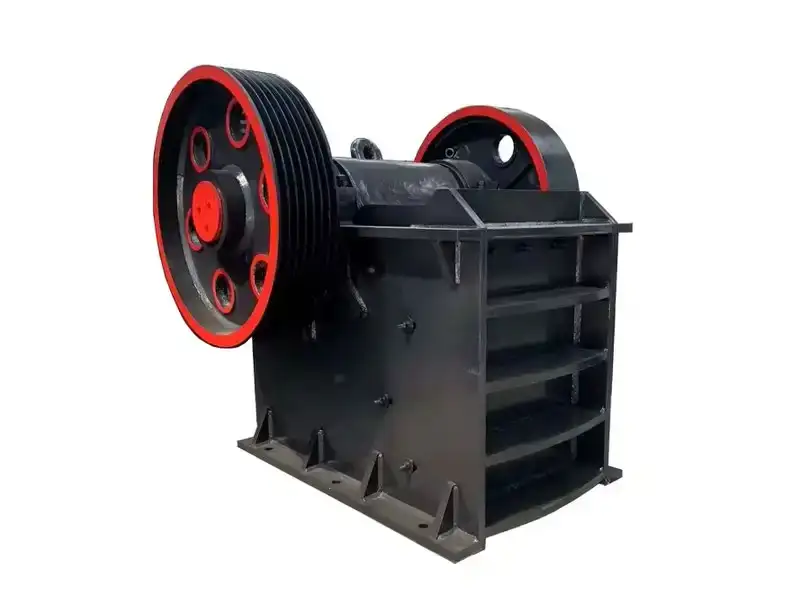
The Future of Jaw Crushers: Innovations to Watch For
Table of Contents
- 1. Introduction to Jaw Crushers
- 2. Current Technology in Jaw Crushers
- 3. The Evolution of Jaw Crushers
- 4. Key Innovations in Jaw Crusher Technology
- 5. Enhanced Performance Metrics
- 6. Sustainability in the Crushing Industry
- 7. Future Challenges and Considerations
- 8. Conclusion
- 9. FAQs
1. Introduction to Jaw Crushers
Jaw crushers are integral machines used in various industries, particularly in the mining, construction, and recycling sectors. Their primary function is to reduce large rocks into manageable sizes, facilitating further processing. As technology evolves, so do the capabilities of these machines. The future of jaw crushers promises exciting advancements that will revolutionize their functionalities and enhance productivity.
2. Current Technology in Jaw Crushers
Contemporary jaw crushers come equipped with robust features designed to optimize performance. Modern models utilize advanced materials and engineering techniques to improve durability and efficiency. Key features include adjustable settings, high crushing ratios, and the ability to handle diverse materials. While these advancements have significantly improved operational efficiency, the need for further innovation remains paramount in a rapidly evolving market.
3. The Evolution of Jaw Crushers
The design and functionality of jaw crushers have undergone substantial changes since their inception. Initially, these machines were simple in design, but as demands for efficiency and productivity surged, manufacturers began integrating sophisticated technologies. The introduction of hydraulic systems, for instance, marked a turning point, allowing for easier adjustments and improved performance. Understanding this evolution helps elucidate the trajectory of future innovations.
4. Key Innovations in Jaw Crusher Technology
The future of jaw crushers is poised to be defined by several key innovations:
4.1 Smart Technology Integration
The integration of smart technology is set to transform jaw crushers significantly. Utilizing IoT (Internet of Things) capabilities, smart jaw crushers will leverage data analytics to monitor performance in real time. This feature will enable predictive maintenance, reducing downtime and enhancing operational efficiency. Smart sensors will provide insights into wear patterns, helping operators make informed decisions regarding maintenance and operation.
4.2 Eco-Friendly Innovations
As environmental concerns continue to rise, the demand for sustainable machinery is becoming a critical focus. The future of jaw crushers includes innovations aimed at reducing energy consumption and minimizing environmental impact. Energy-efficient motors, advanced materials that require less energy to process, and systems designed to minimize dust emissions are just a few examples of how manufacturers are adapting to these demands.
4.3 Automation and AI Impact
Automation is set to play a pivotal role in the future development of jaw crushers. The integration of AI and machine learning algorithms will enable these machines to optimize their operations autonomously. By learning from previous operations, automated jaw crushers will adjust their settings to maximize efficiency and output. This shift towards automation not only enhances productivity but also allows for a reduction in labor costs.
5. Enhanced Performance Metrics
The future of jaw crushers will also focus on enhanced performance metrics. Innovations in design, such as improved crushing chamber geometries and the incorporation of advanced materials, will allow for higher crushing capacities and efficiencies. Additionally, performance metrics will evolve to include sustainability indices, measuring not only how efficiently a jaw crusher operates but also its environmental footprint.
6. Sustainability in the Crushing Industry
Sustainability is becoming a central tenet in the manufacturing and operation of jaw crushers. The future will see a greater emphasis on reducing waste and promoting recycling within the crushing process. Innovations like energy recovery systems, which harness the energy produced during crushing for reuse, will be essential to driving sustainable practices in the industry. Manufacturers that prioritize sustainability will likely gain a competitive edge as regulations become more stringent.
7. Future Challenges and Considerations
While the future of jaw crushers is promising, several challenges lie ahead. Manufacturers must address the need for continual innovation while balancing costs and production efficiency. Additionally, the industry must navigate regulatory changes and evolving market demands. Staying ahead in this competitive landscape will require not only technological advancements but also strategic partnerships and customer engagement.
8. Conclusion
The future of jaw crushers is bright, characterized by groundbreaking innovations that will redefine efficiency, sustainability, and performance. As the industry adapts to new technologies and environmental standards, we can expect jaw crushers to become more intelligent, eco-friendly, and autonomous. Embracing these changes will not only enhance operational capabilities but also contribute positively to the environment. The journey toward a more advanced future in crushing machinery is just beginning, and we are excited to witness these developments unfold.
9. FAQs
1. What are jaw crushers used for?
Jaw crushers are primarily used for crushing large rocks and minerals into smaller, manageable sizes for further processing in various industries such as mining, construction, and recycling.
2. What innovations are expected in jaw crushers?
Innovations expected in jaw crushers include smart technology integration, eco-friendly designs, and advancements in automation and AI capabilities.
3. How do smart technologies improve jaw crushers?
Smart technologies enable real-time monitoring, predictive maintenance, and operational optimization, ultimately enhancing the efficiency and lifespan of jaw crushers.
4. What impact will sustainability have on jaw crushers?
Sustainability will drive innovations aimed at reducing energy consumption, minimizing emissions, and promoting recycling, making jaw crushers more environmentally friendly.
5. What are the main challenges facing the future of jaw crushers?
Challenges include the need for continuous innovation, navigating regulatory changes, and adapting to the evolving demands of the market while maintaining cost efficiency.
