
Understanding Vibrating Motors: Applications, Functionality, and Benefits
Jun 10,2026
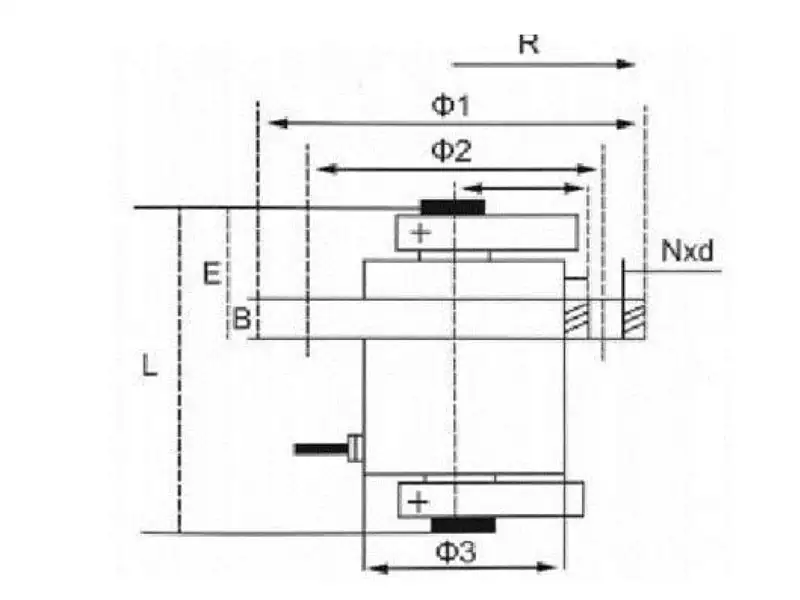
Vibrating motors are specialized electromechanical devices that convert electrical energy into mechanical vibrations. These motors are integral to a variety of applications, primarily in fields that require precise material handling and movement. A vibrating motor typically consists of an electric motor with an unbalanced mass mounted on its rotor. When the motor operates, the unbalanced mass generates vibrations, allowing it to effectively perform its intended functions.
One of the primary applications of vibrating motors is in the manufacturing and processing industries. For instance, they are commonly used in vibrating feeders, which are essential for separating and moving bulk materials. By creating controlled vibrations, these motors ensure that materials are efficiently fed into processes like screening, sorting, and packaging. This capability plays a crucial role in enhancing productivity and reducing the risk of material jams.
Additionally, vibrating motors find significant use in the field of construction and civil engineering. They are often employed in concrete vibrating equipment to ensure proper settling and compaction of concrete. The vibrations help eliminate air bubbles and achieve a consistent, solid structure, which is vital for the integrity of the construction. This application not only improves the quality of the construction material but also accelerates the curing process.
In the realm of consumer electronics, vibrating motors are commonly used in mobile devices, gaming controllers, and other handheld gadgets. These motors provide haptic feedback, enhancing user experience by allowing users to receive tactile responses to their actions. Such technology contributes to greater engagement and satisfaction, making it an essential feature in modern electronics.
Moreover, the advantages of vibrating motors extend beyond their functional applications. They are generally compact, energy-efficient, and reliable, making them a preferred choice for many engineers. The simplicity of their design allows for easy maintenance and integration into existing systems, which is a significant consideration for professionals looking to optimize operational efficiency.
When selecting a vibrating motor, it is crucial to consider factors such as the frequency and amplitude of vibrations required for the specific application. Understanding these parameters helps in selecting the right motor that will meet the operational demands effectively.
In summary, vibrating motors are indispensable in a wide array of industries, providing essential functionality that enhances productivity and efficiency. Their diverse applications, combined with their compact design and energy efficiency, make them a valuable component in various engineering solutions. As industries continue to evolve, the role of vibrating motors is expected to expand further, solidifying their place in modern technology.
One of the primary applications of vibrating motors is in the manufacturing and processing industries. For instance, they are commonly used in vibrating feeders, which are essential for separating and moving bulk materials. By creating controlled vibrations, these motors ensure that materials are efficiently fed into processes like screening, sorting, and packaging. This capability plays a crucial role in enhancing productivity and reducing the risk of material jams.
Additionally, vibrating motors find significant use in the field of construction and civil engineering. They are often employed in concrete vibrating equipment to ensure proper settling and compaction of concrete. The vibrations help eliminate air bubbles and achieve a consistent, solid structure, which is vital for the integrity of the construction. This application not only improves the quality of the construction material but also accelerates the curing process.
In the realm of consumer electronics, vibrating motors are commonly used in mobile devices, gaming controllers, and other handheld gadgets. These motors provide haptic feedback, enhancing user experience by allowing users to receive tactile responses to their actions. Such technology contributes to greater engagement and satisfaction, making it an essential feature in modern electronics.
Moreover, the advantages of vibrating motors extend beyond their functional applications. They are generally compact, energy-efficient, and reliable, making them a preferred choice for many engineers. The simplicity of their design allows for easy maintenance and integration into existing systems, which is a significant consideration for professionals looking to optimize operational efficiency.
When selecting a vibrating motor, it is crucial to consider factors such as the frequency and amplitude of vibrations required for the specific application. Understanding these parameters helps in selecting the right motor that will meet the operational demands effectively.
In summary, vibrating motors are indispensable in a wide array of industries, providing essential functionality that enhances productivity and efficiency. Their diverse applications, combined with their compact design and energy efficiency, make them a valuable component in various engineering solutions. As industries continue to evolve, the role of vibrating motors is expected to expand further, solidifying their place in modern technology.
