
The Science Behind Vibration Motors: Understanding Their Functionality
Jan 01,2026
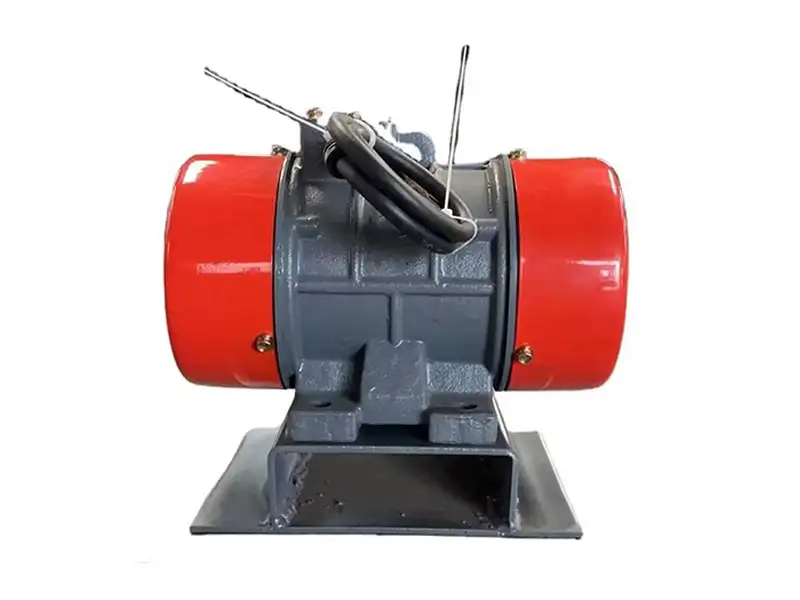
The Science Behind Vibration Motors: Understanding Their Functionality
Table of Contents
- 1. Introduction to Vibration Motors
- 2. What Are Vibration Motors?
- 3. How Do Vibration Motors Work?
- 4. Types of Vibration Motors
- 5. Applications of Vibration Motors
- 6. Benefits of Using Vibration Motors
- 7. Considerations When Choosing Vibration Motors
- 8. The Future of Vibration Motors
- 9. Frequently Asked Questions
- 10. Conclusion
1. Introduction to Vibration Motors
Vibration motors are fascinating devices that play a crucial role in our daily lives. From smartphones vibrating to alert us of notifications to industrial machinery indicating operational status, these motors are everywhere. Understanding their functionality can help us appreciate the technology that enhances user interaction and improves operational efficiency across various domains.

2. What Are Vibration Motors?
Vibration motors are electromechanical devices designed to convert electrical energy into mechanical energy through rotational movement. They are typically used to create a vibrating motion that can signal alerts, enhance user feedback, or assist in specific applications requiring motion. Vibration motors are widely utilized in electronics, automotive systems, and even medical devices.
3. How Do Vibration Motors Work?
The working principle of vibration motors revolves around the concepts of electromagnetism and rotational dynamics. When electrical current flows through the motor, it generates a magnetic field that causes a rotor to spin. This rotational movement, often accompanied by an unbalanced mass, results in vibration. The intensity and frequency of the vibration can be adjusted based on the design and application requirements.
The Electromagnetic Mechanism
The core of a vibration motor consists of an electromagnetic coil that generates a magnetic field when energized. This magnetic field interacts with the rotor, causing it to rotate. The rotor is typically off-balance, which is fundamental to producing vibration. As the rotor spins, the uneven weight distribution creates a force that generates vibrations, which can be harnessed for various applications.
4. Types of Vibration Motors
Understanding the different types of vibration motors is essential for selecting the right one for a specific application. Primarily, vibration motors can be classified into three categories: DC vibration motors, AC vibration motors, and linear vibration motors.
4.1 DC Vibration Motors
DC vibration motors are powered by direct current. They are simple in design, typically consisting of a rotor, an electromagnetic coil, and a power supply. They are commonly used in handheld devices like mobile phones and pagers due to their compact size and efficiency. The speed and intensity of vibration can usually be controlled by adjusting the voltage supplied to the motor.
4.2 AC Vibration Motors
AC vibration motors utilize alternating current. These motors are generally used in industrial applications where higher power and durability are required. Due to their robust design, they can withstand harsh conditions and are often found in heavy machinery and equipment, providing reliable performance over extended periods.
4.3 Linear Vibration Motors
Linear vibration motors operate differently from traditional rotary motors. Instead of producing rotational motion, they create linear motion, making them suitable for applications that require specific directional vibrations. Commonly used in haptic feedback systems, linear vibration motors provide a more precise and localized vibration, enhancing user experience in devices like gaming controllers and wearables.
5. Applications of Vibration Motors
Vibration motors find applications across numerous sectors, showcasing their versatility and essential role in modern technology.
Consumer Electronics
In consumer electronics, vibration motors enhance user interaction. Smartphones use them for alerts and notifications, ensuring users receive timely updates without auditory disruption. Similarly, wearable technology relies heavily on vibration motors for notifications, alarms, and health monitoring.
Automotive Industry
Vibration motors play a pivotal role in automotive applications, providing feedback for various systems. They are used in parking sensors, navigation systems, and even as part of advanced driver-assistance systems (ADAS) to alert drivers of potential hazards.
Medical Devices
In the medical field, vibration motors are utilized in devices such as massage therapy equipment and rehabilitation tools. They provide therapeutic vibrations that can aid in muscle recovery and improve circulation.
Industrial Equipment
In industrial settings, vibration motors are used in material handling and sorting applications. They assist in moving and separating materials on production lines, increasing efficiency and reducing manual labor.
6. Benefits of Using Vibration Motors
The implementation of vibration motors comes with numerous advantages that enhance performance and user experience.
Enhanced User Experience
Vibration motors improve user interaction by providing tactile feedback. This sensory enhancement can make devices more intuitive and user-friendly.
Compact Design
With their compact size, vibration motors can be easily integrated into various devices without taking up significant space, making them ideal for modern electronics.
Versatile Applications
From consumer electronics to industrial machinery, vibration motors can be tailored to suit a wide range of applications, proving their versatility across different sectors.
Cost-Effective Solutions
Vibration motors are often cost-effective, especially in high-volume applications. Their affordability makes them accessible for many industries looking to enhance their products.
7. Considerations When Choosing Vibration Motors
Selecting the right vibration motor involves several factors that can impact performance and compatibility with your application.
Power Requirements
Understanding the power requirements is crucial. Ensure the motor can operate efficiently within your device's power range while providing the necessary vibration intensity.
Size and Weight
Consider the size and weight limitations of your device. The motor's dimensions must fit within the available space without adding excessive weight.
Vibration Frequency and Amplitude
Identify the desired vibration frequency and amplitude for your application. Different motors offer varying levels of customization, ensuring you select one that meets your specific needs.
Durability and Environmental Conditions
Evaluate the durability of the motor based on the operating environment. If the device will be exposed to harsh conditions, consider motors designed for resilience and longevity.
8. The Future of Vibration Motors
As technology continues to evolve, so do the designs and applications of vibration motors. Advancements in materials and engineering are paving the way for more efficient, powerful, and compact motors. The integration of smart technology promises to enhance the capabilities of vibration motors, allowing for more precise control and adaptability in various applications.
9. Frequently Asked Questions
What is the primary function of vibration motors?
Vibration motors convert electrical energy into mechanical energy to create vibrations, which are used for notifications, alerts, and enhancing user interaction in devices.
How are vibration motors powered?
Vibration motors can be powered by either direct current (DC) or alternating current (AC), depending on the specific type and application.
What are the most common applications for vibration motors?
Common applications include consumer electronics, automotive systems, medical devices, and industrial machinery.
Can vibration motors be customized?
Yes, vibration motors can be customized in terms of size, power, frequency, and amplitude to meet specific application requirements.
What should I consider when selecting a vibration motor?
You should consider power requirements, size, vibration frequency and amplitude, and the motor's durability based on the operating environment.
10. Conclusion
Understanding the science behind vibration motors unveils the intricacies of how these essential components function and the significant roles they play across various industries. With their ability to enhance user experience, provide feedback, and assist in numerous applications, vibration motors continue to evolve, driven by advancements in technology and engineering. As we move forward, their potential will only grow, making them an indispensable part of modern machinery and consumer electronics.
