
Exploring the Functions and Applications of Vibrating Motors
Feb 22,2026
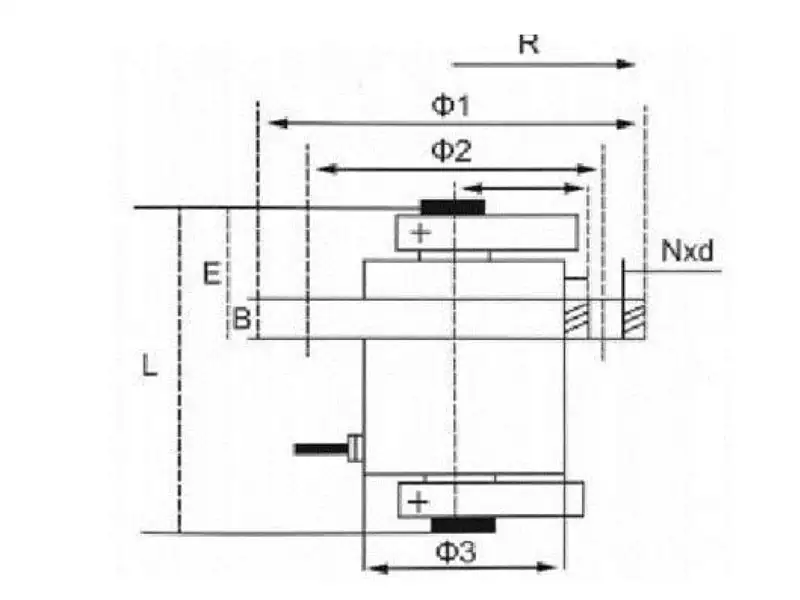
Vibrating motors are specialized devices that convert electrical energy into mechanical vibrations. They play a crucial role in various applications, particularly in the electrical and electronics industry. These motors are widely used in different machines and devices that require a vibration mechanism to achieve specific operational goals.
One of the primary functions of vibrating motors is to convey materials effectively in a wide range of industrial settings. For instance, in the food processing industry, vibrating motors are utilized in hoppers and conveyors to ensure smooth and efficient material flow. The vibrations generated by these motors help to break up clumps and facilitate the even distribution of materials, which is essential for optimizing production processes.
In addition to material handling, vibrating motors are essential in the manufacturing of various consumer goods. They are often incorporated into devices like mobile phones, gaming controllers, and other handheld electronics to provide haptic feedback. This feedback enhances user experience by simulating tactile sensations, making interactions more engaging and intuitive. The precise control of vibration intensity allows manufacturers to create products that resonate with users on a sensory level.
Vibrating motors also find applications in the medical field, particularly in devices designed for therapeutic and rehabilitation purposes. For instance, vibrating platforms are used in physical therapy to improve muscle strength and circulation. The controlled vibrations stimulate muscle fibers, promoting recovery and enhancing overall physical well-being.
When selecting a vibrating motor, it’s important to consider several technical specifications, such as frequency, amplitude, and power rating. These parameters can significantly affect the motor's performance and suitability for specific applications. For example, higher frequency motors are often preferred for applications requiring rapid vibrations, while lower frequency options can be more effective for applications demanding more substantial vibrational force.
Maintenance of vibrating motors is equally critical to ensure their efficient operation and longevity. Regular inspections and proper lubrication can prevent wear and tear, thereby reducing the likelihood of unexpected failures. Adhering to manufacturer guidelines for maintenance not only extends the life of the motor but also enhances its performance.
In conclusion, vibrating motors are indispensable components in many industrial and consumer applications. Their ability to generate controlled vibrations makes them versatile tools in enhancing material handling, user experience, and therapeutic solutions. Understanding the functionality and applications of vibrating motors can lead to improved outcomes across various sectors, ultimately benefiting both manufacturers and end-users.
