
Understanding the Essential Role of Cone Crushers in Modern Manufacturing
Dec 14,2025
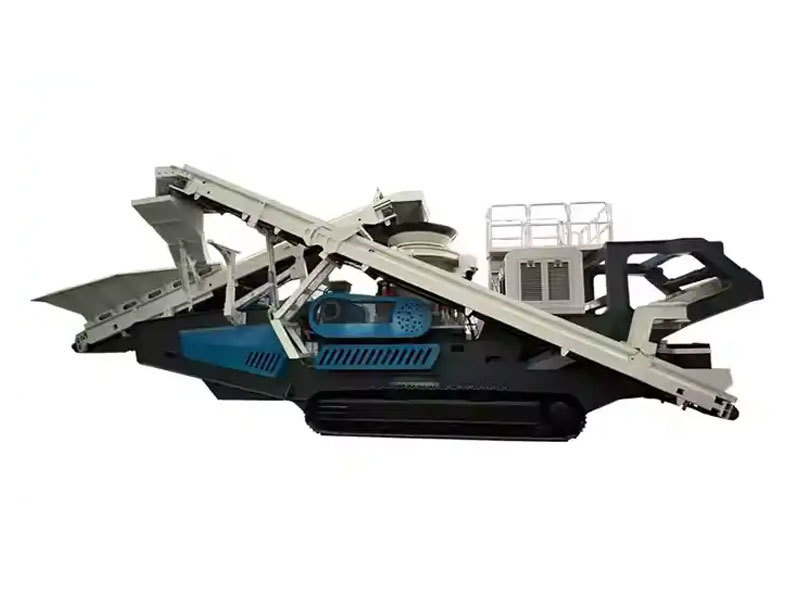
Cone crushers are a type of crushing equipment widely utilized in the manufacturing and processing of aggregate materials. Their primary function is to break down large rocks and ores into smaller, more manageable sizes, making them essential for various industries, including mining, construction, and recycling.
One of the key features of cone crushers is their design, which consists of a rotating mantle within a concave bowl liner. As the material enters the crushing chamber, it is subjected to both compression and shear forces, effectively reducing its size. This mechanism not only enhances the efficiency of the crushing process but also ensures a more uniform product size, which is critical for downstream applications.
Cone crushers come in various types, optimized for different applications. The standard cone crusher typically produces a more coarse product, while the short head cone crusher is designed for finer crushing, making it suitable for secondary and tertiary applications. This versatility allows manufacturers to choose the right type of cone crusher based on their specific operation needs.
In terms of applications, cone crushers are integral to the production of high-quality aggregates for construction projects. They are capable of processing a wide range of materials, including hard rock, gravel, and recycled concrete. The ability to crush materials efficiently not only reduces waste but also contributes to sustainable practices in the industry.
Moreover, cone crushers offer several advantages over other types of crushers. They are known for their high throughput and low operational costs, making them a cost-effective choice for many manufacturers. Additionally, cone crushers typically have a longer service life due to their robust construction and design, which minimizes downtime and maintenance expenses.
Another aspect worth noting is the advancement in technology that has influenced the development of cone crushers. Modern models often incorporate automation features, such as advanced monitoring systems and remote controls, allowing operators to optimize performance and enhance safety. These innovations are crucial for maintaining productivity in an increasingly competitive market.
In conclusion, cone crushers play a vital role in the manufacturing and processing of materials across various industries. Understanding their operation, applications, and advantages can help professionals make informed decisions when selecting equipment for their operations. As the industry continues to evolve, staying updated on the latest advancements in cone crusher technology will be essential for achieving operational efficiency and meeting market demands.
One of the key features of cone crushers is their design, which consists of a rotating mantle within a concave bowl liner. As the material enters the crushing chamber, it is subjected to both compression and shear forces, effectively reducing its size. This mechanism not only enhances the efficiency of the crushing process but also ensures a more uniform product size, which is critical for downstream applications.
Cone crushers come in various types, optimized for different applications. The standard cone crusher typically produces a more coarse product, while the short head cone crusher is designed for finer crushing, making it suitable for secondary and tertiary applications. This versatility allows manufacturers to choose the right type of cone crusher based on their specific operation needs.
In terms of applications, cone crushers are integral to the production of high-quality aggregates for construction projects. They are capable of processing a wide range of materials, including hard rock, gravel, and recycled concrete. The ability to crush materials efficiently not only reduces waste but also contributes to sustainable practices in the industry.
Moreover, cone crushers offer several advantages over other types of crushers. They are known for their high throughput and low operational costs, making them a cost-effective choice for many manufacturers. Additionally, cone crushers typically have a longer service life due to their robust construction and design, which minimizes downtime and maintenance expenses.
Another aspect worth noting is the advancement in technology that has influenced the development of cone crushers. Modern models often incorporate automation features, such as advanced monitoring systems and remote controls, allowing operators to optimize performance and enhance safety. These innovations are crucial for maintaining productivity in an increasingly competitive market.
In conclusion, cone crushers play a vital role in the manufacturing and processing of materials across various industries. Understanding their operation, applications, and advantages can help professionals make informed decisions when selecting equipment for their operations. As the industry continues to evolve, staying updated on the latest advancements in cone crusher technology will be essential for achieving operational efficiency and meeting market demands.
