
How to Maintain Your Jaw Crusher for Optimal Performance
Dec 17,2025
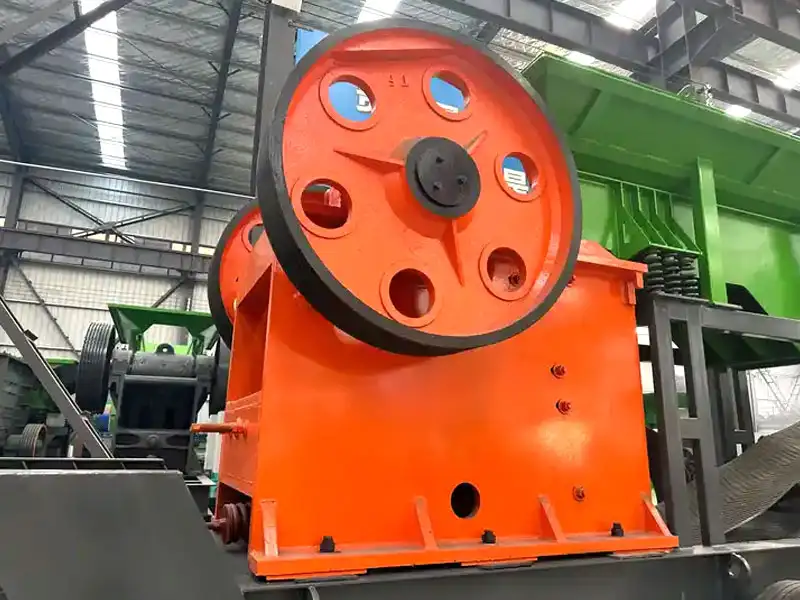
How to Maintain Your Jaw Crusher for Optimal Performance
Table of Contents
- 1. Introduction to Jaw Crusher Maintenance
- 2. Importance of Regular Maintenance
- 3. Key Components of a Jaw Crusher
- 4. Essential Maintenance Tips for Jaw Crushers
- 5. Troubleshooting Common Jaw Crusher Issues
- 6. Choosing the Right Replacement Parts
- 7. Safety Practices During Maintenance
- 8. Conclusion
- 9. Frequently Asked Questions
1. Introduction to Jaw Crusher Maintenance
Maintaining your jaw crusher is essential for ensuring its longevity and optimal performance. These machines play a vital role in various industries, particularly in the manufacturing and processing of materials. A well-maintained jaw crusher can significantly reduce downtime, improve efficiency, and lower operational costs.
2. Importance of Regular Maintenance
Regular maintenance of your jaw crusher can lead to increased productivity and efficiency. Here are some key reasons why maintenance is crucial:
- **Increased Lifespan**: Regular checks can catch potential issues before they become significant problems.
- **Improved Safety**: Ensuring all parts are functioning correctly minimizes the risk of accidents.
- **Cost Savings**: Preventive maintenance can save money on repairs and replacements in the long run.
- **Enhanced Performance**: A well-maintained machine operates more efficiently, producing better results.
3. Key Components of a Jaw Crusher
Understanding the primary components of a jaw crusher will help in effective maintenance. Here are the fundamental parts:
- **Frame**: The frame is the structure that supports the entire machine.
- **Jaw Plates**: These are the components that crush the material. They can wear out over time and need regular inspection.
- **Toggle Plate**: This plate serves as a safety mechanism, helping to protect the machine.
- **Bearing**: The bearing allows the jaw to move smoothly during operation, and it needs to be lubricated regularly.
4. Essential Maintenance Tips for Jaw Crushers
4.1 Daily Inspections
Daily inspections are crucial for the continued functionality of your jaw crusher. Here are some tasks to include:
- **Check for Leaks**: Inspect the hydraulic system for any leaks.
- **Monitor Sound Levels**: Unusual sounds may indicate wear or misalignment.
- **Grease Points**: Ensure that grease points are properly lubricated.
4.2 Weekly Maintenance Tasks
Performing weekly maintenance can help catch issues early. Here’s what to do:
- **Inspect Jaw Plates**: Look for signs of wear and tear; replace them if they appear worn.
- **Tension Check**: Ensure that the tension is correct on the toggle plate.
- **Check Hydraulic Fluids**: Monitor and replace if necessary to maintain efficiency.
4.3 Monthly Checks
Monthly checks should be more comprehensive. Consider these steps:
- **Inspect All Components**: Check all bolts and screws for tightness.
- **Analyze Vibration Levels**: High vibrations can indicate misalignment.
- **Check Electrical Connections**: Ensure all electrical connections are secure and functioning properly.
5. Troubleshooting Common Jaw Crusher Issues
Sometimes, despite regular maintenance, issues can still arise. Here are common problems to look for:
5.1 Identifying Vibration Problems
Excessive vibrations can be a warning sign of several issues:
- **Misalignment**: Ensure that all parts are correctly aligned.
- **Worn Bearings**: Inspect bearings for wear and replace as needed.
5.2 Addressing Blockage Issues
Blockages can halt production. Here’s how to address them:
- **Clearing Blockages**: Regularly check the feed area for blockages.
- **Feed Size Management**: Ensure the material being fed is within the jaw crusher's specifications.
6. Choosing the Right Replacement Parts
When it comes to replacing parts, quality matters. Here are some tips for selecting the right components:
- **OEM Parts**: Always opt for Original Equipment Manufacturer (OEM) parts for the best fit and longevity.
- **Compatibility**: Ensure that any new parts are compatible with your specific model.
- **Quality Assurance**: Look for parts with warranties or quality guarantees.
7. Safety Practices During Maintenance
Safety should always be a priority during maintenance. Follow these guidelines:
- **Shut Down the Machine**: Always turn off the machine before performing inspections or maintenance.
- **Use Personal Protective Equipment (PPE)**: Wear the appropriate PPE, such as gloves and safety glasses.
- **Follow Lockout/Tagout Procedures**: Implement lockout/tagout procedures to ensure the machine cannot be accidentally turned on during maintenance.
8. Conclusion
Maintaining your jaw crusher is essential for optimal performance and longevity. By implementing a regular maintenance schedule, performing daily, weekly, and monthly checks, and addressing issues promptly, you can ensure that your jaw crusher operates efficiently and effectively. Remember that investing time in maintenance can lead to significant cost savings and enhanced performance in the long run.
9. Frequently Asked Questions
What is the average lifespan of a jaw crusher?
The average lifespan of a well-maintained jaw crusher can range from 10 to 15 years, depending on usage and care.
How often should I perform maintenance on my jaw crusher?
Daily inspections, weekly maintenance, and thorough monthly checks are recommended to ensure optimal performance.
What are the signs that my jaw crusher needs maintenance?
Signs include unusual noises, excessive vibrations, and decreased performance.
Can I perform maintenance on my jaw crusher myself?
Yes, many maintenance tasks can be performed by trained personnel; however, hiring professionals for complex issues is advisable.
What should I do if I encounter a blockage in my jaw crusher?
Turn off the machine and clear the blockage carefully, ensuring that you follow all safety protocols.
