
Understanding the Role and Applications of Vibrating Motors
Dec 22,2025
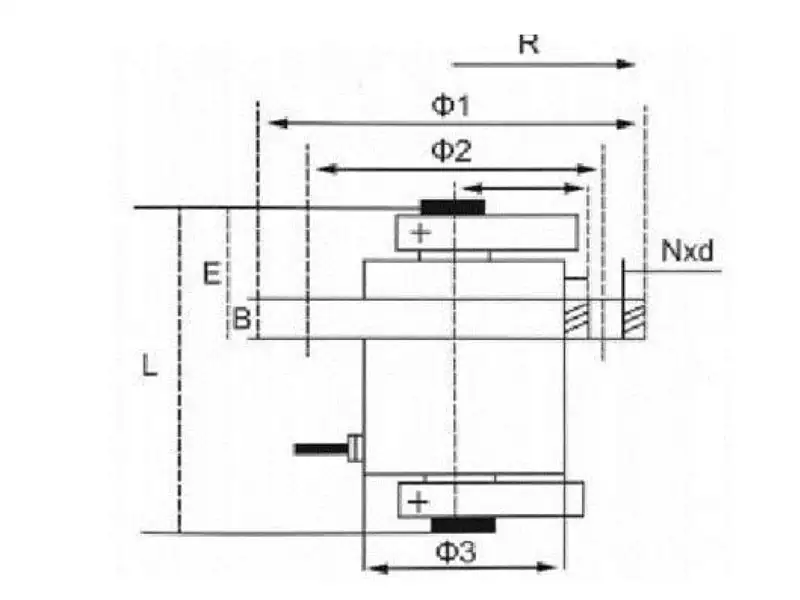
Vibrating motors are specialized devices that convert electrical energy into mechanical vibration. They are widely utilized in various industries due to their unique ability to generate controlled vibrations. Primarily, these motors are classified into two types: electromagnetic vibrating motors and eccentric vibrating motors. Each type has specific applications and advantages, making them suitable for diverse operational needs.
One of the most common applications of vibrating motors is in material handling systems. In industries such as mining and construction, these motors help in the efficient movement and separation of bulk materials. By creating vibrations, they facilitate the flow of materials, reducing blockages and enhancing productivity. Similarly, in the food and beverage sector, vibrating motors are used in conveyor systems to ensure a steady and reliable flow of products, thereby improving operational efficiency.
In addition to material handling, vibrating motors play a crucial role in the manufacturing of various consumer products. For instance, in the automotive industry, they are often used in assembly lines where parts need to be positioned accurately and securely. The consistent vibrations generated by these motors help in aligning components, reducing misalignments that could lead to production delays.
Another area where vibrating motors excel is in the realm of electronics, particularly in mobile devices. Many smartphones and handheld devices incorporate miniaturized vibrating motors to provide haptic feedback, enhancing user experience. This feedback mechanism allows users to receive tactile notifications, making interactions with devices more intuitive and responsive.
Furthermore, vibrating motors are also instrumental in testing and quality control processes. They can be employed in vibration testing equipment to ensure that products can withstand various environmental conditions. This capability is particularly important in industries where product durability is paramount, such as aerospace and defense sectors.
When selecting a vibrating motor for a specific application, several factors must be considered. These include the motor's size, frequency, amplitude of vibration, and the nature of the material being handled. Additionally, understanding the environmental conditions in which the motor will operate is critical to ensuring longevity and reliability.
In conclusion, vibrating motors are indispensable components across various industries. Their ability to create controlled vibrations aids in material handling, manufacturing, consumer electronics, and quality assurance. By understanding the functionalities and applications of vibrating motors, businesses can make informed decisions that enhance productivity and efficiency in their operations. Whether you are involved in engineering, product design, or operations management, knowledge of vibrating motors is essential for leveraging their benefits effectively.
One of the most common applications of vibrating motors is in material handling systems. In industries such as mining and construction, these motors help in the efficient movement and separation of bulk materials. By creating vibrations, they facilitate the flow of materials, reducing blockages and enhancing productivity. Similarly, in the food and beverage sector, vibrating motors are used in conveyor systems to ensure a steady and reliable flow of products, thereby improving operational efficiency.
In addition to material handling, vibrating motors play a crucial role in the manufacturing of various consumer products. For instance, in the automotive industry, they are often used in assembly lines where parts need to be positioned accurately and securely. The consistent vibrations generated by these motors help in aligning components, reducing misalignments that could lead to production delays.
Another area where vibrating motors excel is in the realm of electronics, particularly in mobile devices. Many smartphones and handheld devices incorporate miniaturized vibrating motors to provide haptic feedback, enhancing user experience. This feedback mechanism allows users to receive tactile notifications, making interactions with devices more intuitive and responsive.
Furthermore, vibrating motors are also instrumental in testing and quality control processes. They can be employed in vibration testing equipment to ensure that products can withstand various environmental conditions. This capability is particularly important in industries where product durability is paramount, such as aerospace and defense sectors.
When selecting a vibrating motor for a specific application, several factors must be considered. These include the motor's size, frequency, amplitude of vibration, and the nature of the material being handled. Additionally, understanding the environmental conditions in which the motor will operate is critical to ensuring longevity and reliability.
In conclusion, vibrating motors are indispensable components across various industries. Their ability to create controlled vibrations aids in material handling, manufacturing, consumer electronics, and quality assurance. By understanding the functionalities and applications of vibrating motors, businesses can make informed decisions that enhance productivity and efficiency in their operations. Whether you are involved in engineering, product design, or operations management, knowledge of vibrating motors is essential for leveraging their benefits effectively.
