
Unlocking the Potential of Vibrating Motors: Applications and Benefits
Jul 20,2026
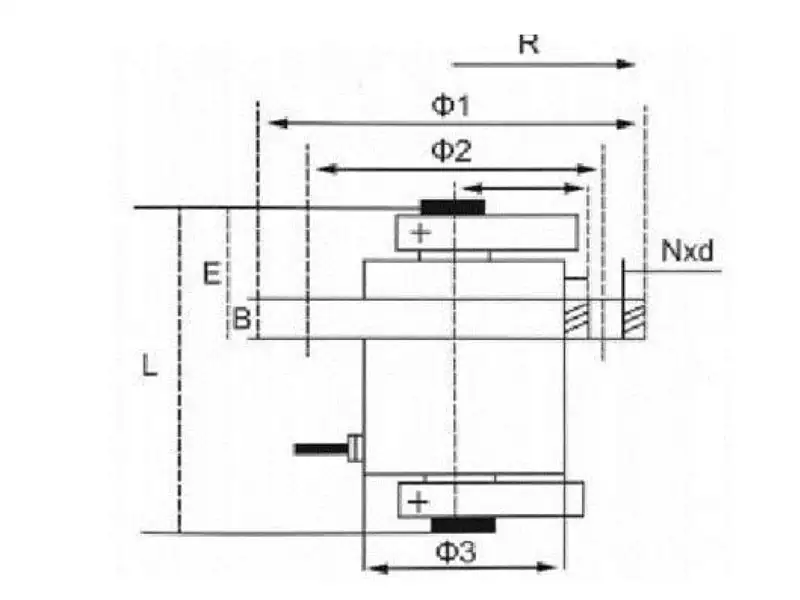
Vibrating motors are specialized electric motors designed to create a specific vibration output, which can be harnessed for a multitude of applications. These motors are prevalent in industries such as manufacturing, automotive, and consumer electronics, where motion and vibration play crucial roles in enhancing operational efficiency and user experience.
One of the primary uses of vibrating motors is in the automation of processes. In manufacturing settings, vibrating motors are often employed in equipment like feeders and hoppers. They help in the consistent and controlled flow of materials, ensuring that production lines operate smoothly without interruptions. By providing precise vibrations, these motors can effectively separate materials, reducing the likelihood of jams and increasing productivity.
In consumer electronics, vibrating motors are integral components in devices like smartphones and wearables. They provide tactile feedback, enhancing the user experience by alerting users to notifications or providing feedback during interactions. This vibration capability adds a layer of interactivity that can significantly improve product appeal and functionality.
The versatility of vibrating motors extends beyond industrial and consumer use. They are also found in medical applications, such as in therapeutic devices designed for physical rehabilitation. The vibrations produced can help stimulate muscle activity, improve circulation, and promote healing in patients.
When considering the operational aspects of vibrating motors, it is essential to recognize the various types available. Electromagnetic vibrating motors, for instance, utilize magnetic forces to generate vibrations, while eccentric rotating mass (ERM) motors produce vibrations through the off-center rotation of mass. Each type has its advantages and is suitable for specific applications, depending on the required vibration frequency and intensity.
Maintenance of vibrating motors is crucial to ensure long-lasting performance. Regular inspections can help identify wear and tear, while appropriate lubrication can minimize friction and overheating. Additionally, ensuring that the motor is properly mounted can prevent excessive vibrations that may lead to mechanical failure.
In conclusion, vibrating motors play a vital role in numerous applications across various industries. Their ability to convert electrical energy into mechanical vibrations makes them indispensable in enhancing productivity, user experience, and operational efficiency. Understanding the functionality, types, and maintenance of vibrating motors can help organizations leverage these devices effectively, paving the way for innovations and improvements in processes and products. By exploring the potential of vibrating motors, businesses can unlock new opportunities for growth and efficiency in an ever-evolving marketplace.
One of the primary uses of vibrating motors is in the automation of processes. In manufacturing settings, vibrating motors are often employed in equipment like feeders and hoppers. They help in the consistent and controlled flow of materials, ensuring that production lines operate smoothly without interruptions. By providing precise vibrations, these motors can effectively separate materials, reducing the likelihood of jams and increasing productivity.
In consumer electronics, vibrating motors are integral components in devices like smartphones and wearables. They provide tactile feedback, enhancing the user experience by alerting users to notifications or providing feedback during interactions. This vibration capability adds a layer of interactivity that can significantly improve product appeal and functionality.
The versatility of vibrating motors extends beyond industrial and consumer use. They are also found in medical applications, such as in therapeutic devices designed for physical rehabilitation. The vibrations produced can help stimulate muscle activity, improve circulation, and promote healing in patients.
When considering the operational aspects of vibrating motors, it is essential to recognize the various types available. Electromagnetic vibrating motors, for instance, utilize magnetic forces to generate vibrations, while eccentric rotating mass (ERM) motors produce vibrations through the off-center rotation of mass. Each type has its advantages and is suitable for specific applications, depending on the required vibration frequency and intensity.
Maintenance of vibrating motors is crucial to ensure long-lasting performance. Regular inspections can help identify wear and tear, while appropriate lubrication can minimize friction and overheating. Additionally, ensuring that the motor is properly mounted can prevent excessive vibrations that may lead to mechanical failure.
In conclusion, vibrating motors play a vital role in numerous applications across various industries. Their ability to convert electrical energy into mechanical vibrations makes them indispensable in enhancing productivity, user experience, and operational efficiency. Understanding the functionality, types, and maintenance of vibrating motors can help organizations leverage these devices effectively, paving the way for innovations and improvements in processes and products. By exploring the potential of vibrating motors, businesses can unlock new opportunities for growth and efficiency in an ever-evolving marketplace.
